Hainan duty-free sales fall 29% amid weak economy, fewer tourists
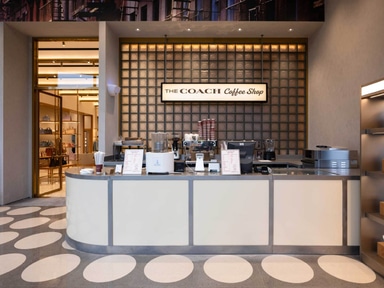
Coach opened a two-story flagship store in Hainan in December 2024. Image: Coach
CDF Sanya International Duty Free City, located in Haitang Bay, Sanya, includes luxury brands such as Van Cleef & Arpels, Cartier, Chaumet, and Tiffany. Image: Sanya Tourism Board
Hainan, the Chinese island province popular with domestic shoppers and brands from LVMH and Kering, experienced a 29.3% YoY decline in duty-free sales in 2024 as the nation’s sluggish economy led to a reduction in tourism.
Visitor numbers decreased by 15.9%, falling to 5.68 million in 2024 from 6.75 million the previous year. The weakening of foreign currencies, including the Japanese yen, along with favorable travel incentives like Malaysia’s visa-free entry policy, has driven many Chinese shoppers to seek more affordable options overseas, according to analysis shared by Reuters.
Customs data released on Thursday revealed that visitors to Hainan spent 30.94 billion yuan ($4.24 billion) on duty-free items in 2024, down from 43.76 billion yuan ($5.97 billion) in 2023.
Despite Hainan’s decline in duty-free sales as Chinese tourists pursue more competitive overseas travel options, major brands continue to invest in the resort destination.
Earlier this week, Coach launched its first two-story flagship store tailored to China’s travel retail market in Sanya, Hainan. Located in the CDF Sanya International Duty-Free Mall, the store features a range of classic Coach products, along with the sustainable “Coachtopia” collection. Additionally, the flagship includes a café serving coffee drinks, desserts, and treats inspired by Hainan’s local flavors, introducing a fresh retail concept to the area.
As previously reported, some brands have faced difficulties due to an overdependence on duty-free channels, which can erode profit margins in China. For instance, 23% of Estée Lauder’s sales in the country are generated through duty-free channels, compared to just 10% for Shiseido and L’Oréal.
China’s latest crackdowns on its “grey” daigou trade have also impacted sales in the region.
Over the past year, authorities have intensified anti-smuggling efforts at malls, airports, and train stations, distributing pamphlets that explain Hainan’s offshore duty-free policies and highlight smuggling cases to discourage illegal activities. Police have also visited shopping centers to warn merchants against exploiting duty-free shopping quotas for bulk purchases and resale, which is prohibited.
According to an industry expert in Hainan’s travel retail sector, the daigou trade has shifted from group operations during the pandemic to a more individualistic approach. While large-scale daigou networks still exist, many have distanced themselves from Duty-Free Operators (DFOs) due to government crackdowns. Nevertheless, the ongoing price difference between taxed and duty-free goods continues to lure some individuals into these practices.
Ultimately, luxury brands should diversify their sales channels beyond China’s duty-free markets to mitigate risks from regulatory crackdowns and fluctuating tourist numbers. They should focus on bolstering their presence in local and online retail spaces, as exemplified by Coach’s latest brick-and-mortar store in Sanya.
The Jing Daily Data Snapshot presents a swift take and analysis on the latest data from the leading research firms in the Chinese luxury and lifestyle markets.