AFCON 2025: Marvelous, Divine, Teenage – why Zimbabwe’s squad names are trending
Godknows. Teenage. Divine. Marvelous. Prosper. Prince. Washington. What is the story behind the unique names of Zimbabwe’s football players at the Africa Cup of Nations in Morocco?
The Africa Cup of Nations is a tournament reputed for its diversity and unpredictability; a competition where the storylines are just as frantic as the football itself.
And one week into the 2025 edition of the continental tournament and one of the more interesting narratives has emerged from the Zimbabwe startlist.
When the Warriors faced Egypt on December 22 in their opening Group B game, there were no short of star names on show. Mohamed Salah and Omar Marmoush were on the pitch, names that need little introduction and naturally were expected to draw much of the attention.
Yet a glance across to the opposition teamsheet was enough to draw a pause. Godknows. Teenage. Divine. Marvelous. Prosper. Prince. Washington. Football is a sport known for its recognisable surnames, but in Zimbabwe, it’s the first names that invite curiosity.
The names are not unique to the footballers
And it is not just the football players on show in Morocco that have these uniquely specific full English-phrase first names. This style of naming is traditional in the Southern African country.
Hardlife, Bigboy, Never, Nomatter, Doubt, Thinkwell and Guarantee are all registered first names in Zimbabwe. In fact, there are famous Zimbabwean people whose names also follow this pattern.
Zimbabwe’s first President was called Canaan Banana. The current Agriculture Minister is called Anxious Masuka. Rejoice Temire was a Senator, Beauty Zhuwao is a politician, Witness Mangwende a former Foreign Minister and Professor Lovemore Madhuku is a renowned civil society member. That’s just to mention a few.
According to Forebears, a leading global database of names registered in countries, there are at least 56,000 people in Zimbabwe called Lovemore and 47,000 people called Beauty.
According to the database, thousands more are called Memory, Shepherd, Givemore, Knowledge, Admire, Nomore, Moreblessing, Progress and Trymore.
Inspiration behind the names
So why are first names with very specific meanings in the English language such a common phenomenon in Zimbabwe? To understand this, we must first understand the country’s demography, ethnic and local language landscape.
The country is made up of multiple ethnic groups, with the Shona ethnic group making up about 80 per cent of Zimbabwe’s 15 million people.
The Ndebele makes up about 14 per cent of the population.
As a former British colony, Zimbabwe has English as its official language, alongside Shona and Ndebele.
Culturally, the Shona and Ndebele people like to assign names to children based on specific events around a child’s birth. These names can be inspired by varied events like personal triumph or tragedy, lived experiences of regret or defiance and personal heroes.
In some cases, the names are meant to serve as a reminder, warning, criticism. Some take the form of rhetoric questions, like “Whoknows” for example. A Shona family that was recently bereaved may name a newborn Monyaradzi to mean ‘one who comforts’ or ‘Comforter’ in English. Chikonzero, also a Shona name, means ‘Risen’, while Chiedza means ‘Shine’.
It is the same philosophy that Zimbabweans try to apply to their names in English.
According to an article published in Zimbabwe’s state-owned newspaper Herald, the first names the Shona people give their children are thought out in the native language and then translated to English.
And because some of these concepts might be longer or more complicated in the local language, a parent can direct that the child’s name be translated to the much simpler English version and inscribed on the birth certificate as a first name.
And this naming tradition is not unique to Zimbabwe. Across English-speaking Africa, including Ghana, Nigeria and Kenya, such expressive names are common. Desire Oparanozie is a former Nigerian women’s football player, Grace Asantewaa, Comfort Yeboah and Anasthesia Achiaa play for Ghana’s women’s team and Victor Osimhen needs no introduction; Grace and Victor being common first names in various non-African countries too.
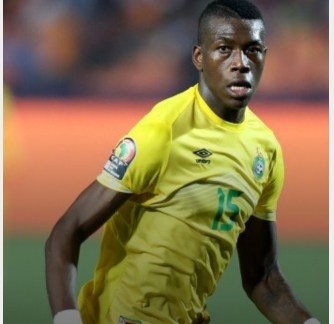
When you spot Marvelous Nakamba in midfield, or Divine Lunga down the flank, or Teenage Hadebe marshalling the defence, and the football is neither particularly marvelous nor divine, and Teenage is in fact 30 years old, do not be alarmed.
You can look beyond the literal meanings of the names. The real victory lies in the family histories, cultural habits and small acts of storytelling that’s embedded within them. — _*NewZimbabwe*_