
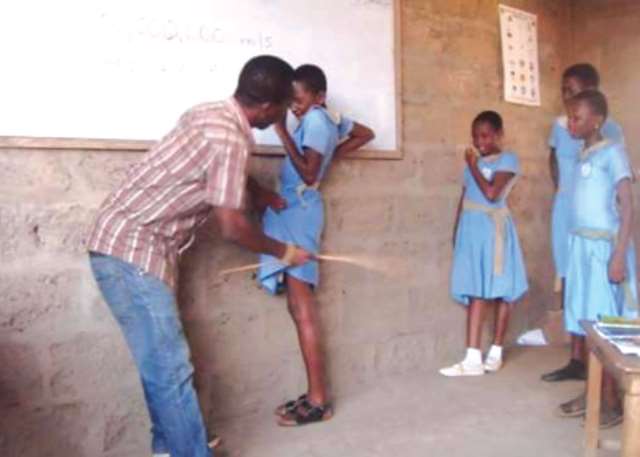
Teachers push for return of corporal punishment in schools
EDUCATORS are calling for the reintroduction of corporal punishment in schools, citing a surge in indiscipline, including drug and substance abuse among learners as young as 14-year-olds.
The push comes as the Government maintains its ban on physical discipline, with Primary and Secondary Education Minister, Dr Torerai Moyo, recently warning school heads in Mutare that violating the directive will have dire consequences.
Dr Moyo reminded headmasters that the ban on corporal punishment remains in force, but encouraged those who support its return to petition the House of Assembly and lobby parliamentarians.
The debate highlights the ongoing struggle to address indiscipline in schools, with some educators arguing that current measures are inadequate.
The controversy has reignited discussions on the effectiveness of corporal punishment in maintaining discipline, with some arguing it is a necessary tool, while others advocate for alternative methods.
As the debate rages on, schools continue to grapple with managing learners’ errant behaviour and ensuring conducive learning environment.
“Let me remind you that corporal punishment is still outlawed. No learner should be beaten at school. I have been a teacher myself, and I used to beat a lot of learners. Upon reflection later on in life, I realised it was wrong to beat them. I do not remember beating my own children. Those who feel corporal punishment should be restored are free to petition Parliament, stating their reasons, but as of now, it is banned. Headmasters, as leaders, identify those learners who have a habit of partaking in drugs so that remedial action is taken,” said Minister Moyo.
The Zimbabwean education system has moved decisively away from corporal punishment.
New guidelines from the Ministry of Primary and Secondary Education clearly outlaw beating learners, emphasising learners’ dignity and champion alternative disciplines such as counselling and guided reflection. Teachers found violating the ban risk disciplinary action or even criminal charges.
Some teachers have, however, expressed frustration with the current disciplinary climate obtaining in some schools.
Representatives of teachers’ unions have argued that the prohibition has left educators unable to control classrooms and maintain order, especially as cases of disruptive behaviour and substance misuse are reportedly on the rise in schools.
Zimbabwe Rural Teachers union (ZRTU) president, Mr Martin Chaburumunda, said the removal of corporal punishment has rendered teachers powerless and limited their capabilities in fostering and molding disciplined learners.
“The banning of corporal punishment has caused discipline issues to rise in schools. Discipline is a cornerstone of education. Moderate disciplinary measures are necessary in schools. We have a new problem of drug and substance abuse in schools, and with no teacher control over learners, it will be difficult to fight it. Right now, teachers are treading very cautiously when reprimanding learners because they fear being accused of infringing on pupils’ rights,” he said.
Manicaland provincial coordinator for Progressive Teachers union of Zimbabwe (PTUZ), Mr Charles Musembwa said the banning of corporal punishment should have been complemented by another effective disciplinary tool to tightly control learners.
“The removal of corporal punishment has caused a rise in cases of indiscipline. When corporal punishment was removed, there was no disciplinary tool put in place and teachers were left without anything to control learners. Learners are now aware that nothing happens to them if they misbehave, including partaking in risky and dangerous activities. This was adopted after some pressure from so-called donors and development partners, but with time, we are going to experience the negative effects,” said Mr Musembwa.
Other educators caution against returning to punitive practices, stressing that discipline is most effective when it builds understanding and self-control rather than fear. They also argue that it undermines the dignity and safety of learners.
Critics also warn that physical punishment may teach children that violence is an acceptable way to resolve conflict – an outcome at odds with the goals of modern education.
Instead, they advocate for stronger mentorship, social skills programmes and community involvement in shaping young citizens.
According to a research conducted by the Anti-Drug Abuse Forum (ADAF) from 2017 to date, about 43 percent of high school learners have either used or came into contact with some illegal drugs.
Both the ADAF and the police’s Drugs and Narcotic Unit revealed that data at hand show that a high number of drug abusers are mostly males between the ages of 11 and 40 years.
ADAF executive director, Mr Collin Mapfumo said some young people turn to consumption of or trading in illegal drugs to drown their sorrows or as a source of income. Manica Post