War veterans file court challenge over cabinet approval of constitutional ammendments
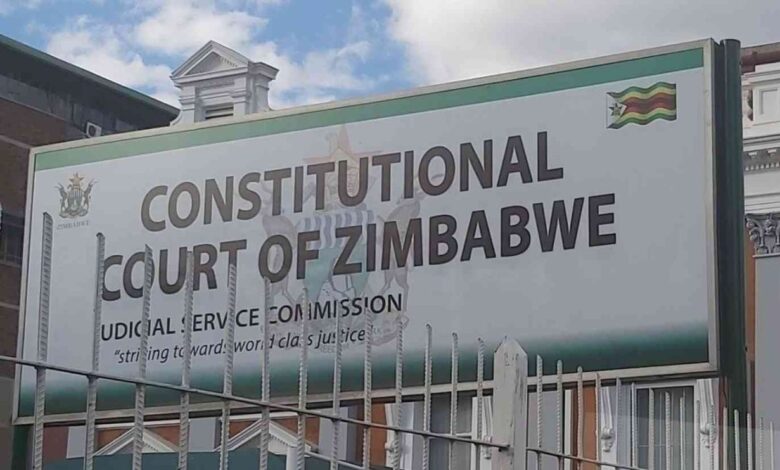
HARARE – Six liberation war veterans have approached the Constitutional Court seeking to block President Emmerson Mnangagwa from advancing Constitutional Amendment Bill No. 3, which would extend his stay in power.
The application, filed on February 16, challenges the president’s role in cabinet processes linked to the controversial amendments, which were gazetted by the Speaker of Parliament on Monday.
The applicants — Reuben Zulu, Godfrey Gurira, Shoorai Nyamangodo, Joseph Chinyangare, Digmore Knowledge Ndiya and Joseph Chinguwa — accuse Mnangagwa of breaching constitutional provisions by presiding over deliberations on reforms from which they say he stands to benefit personally.
Prepared by constitutional law expert Professor Lovemore Madhuku, the court application seeks to have cabinet deliberations on the bill declared null and void and to bar Mnangagwa from advancing the proposed amendments.
Among the most contentious provisions in the draft legislation are proposals to extend presidential terms from five years to seven years and to replace direct presidential elections with a system in which parliament elects the head of state.
The war veterans argue that Mnangagwa violated section 90 of the constitution, which obliges the president to uphold and defend the constitution and to avoid conflicts between personal interests and public duties.
According to the application, Mnangagwa acted unlawfully by chairing cabinet discussions on February 10 and approving the draft bill despite alleged personal benefit arising from changes to presidential tenure arrangements.
They also claim his conduct contravened section 196(2), which requires political leaders and public officials to exercise their functions in ways that maintain public confidence and prevent abuse of office.
Central to the challenge is section 328(7) of the constitution, which bars constitutional amendments from extending the term of an incumbent president unless specific constitutional safeguards are met.
The applicants argue that any amendment aimed at prolonging Mnangagwa’s tenure would be invalid because such changes cannot apply to the sitting office-holder.
The relief sought includes a declaration that the president acted unconstitutionally, nullification of cabinet approval of the bill, and an interdict preventing Mnangagwa from signing, assenting to or otherwise advancing the legislation in ways inconsistent with constitutional provisions governing political rights and amendment procedures.
The legal challenge highlights intensifying tensions over the proposed constitutional reforms, which critics say could fundamentally reshape Zimbabwe’s governance system.
Government officials, however, have defended the bill, saying it introduces “constructive reforms aimed at strengthening democratic structures, clarifying institutional mandates and aligning Zimbabwe’s constitutional framework with practices adopted in other jurisdictions.”
The Constitutional Court is expected to set timelines for responses from the president and the attorney-general before deciding whether the matter proceeds to a full hearing.
Meanwhile, the Speaker of Parliament Jacob Mudenda gazetted the bill on Monday, starting the clock on a 90-day public consultation period before the draft law is brought to a vote before MPs and senators.
With Zanu PF holding a two-thirds parliamentary majority, passage of the bill is widely expected if party discipline holds. Opposition CCC MPs are also expected to back the amendments for personal benefit as that would also extend their term by a further two years.
Prominent constitutional lawyers say the scale of the proposed changes requires a referendum, even if parliament approves them. The government insists no referendum is required, a dispute that also appears to be headed for the Constitutional Court.