The Silent Coup, Zimbabweans Feel Betrayed
Zimbabwe is witnessing a quiet but intense political earthquake. Not one announced by tanks on the streets or soldiers on national television, but one unfolding in homes, workplaces, churches, social media spaces and whispered conversations across the country. A growing number of Zimbabweans are rejecting the proposed constitutional changes and in doing so, they are mounting what can best be described as a silent coup of public conscience.
Across social and political divides, citizens are united by one simple belief, the Constitution must not be altered to serve the ambitions of individuals.
The proposed amendments, widely understood to be aimed at extending presidential tenure, have triggered deep anger and fatigue among a population already crushed by economic hardship, unemployment, collapsing services and declining living standards. Many Zimbabweans see this move not as governance reform, but as a naked attempt to cling to power.
Right in the middle of this storm stands Emmerson Mnangagwa, whose leadership is now facing one of its most severe legitimacy tests.
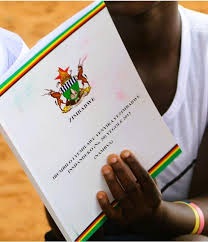
The public mood is unmistakable, Zimbabweans feel betrayed. For years, citizens were told that the 2013 Constitution represented a new democratic dawn, a break from the politics of endless rule and personalised power. The two-term presidential limit was meant to be sacrosanct. Today, that promise is being dismantled before their eyes.
What makes this moment dangerous for the authorities is not the presence of mass protests, but their absence.
Instead, there is something more potent, widespread moral resistance. People are disengaging. They are losing faith. They are quietly withdrawing consent.
Taxi drivers, teachers, nurses, vendors, civil servants, students and business owners are all asking the same question,”If leaders can change the rules whenever it suits them, what meaning does the Constitution have?”
This silent revolt cuts across party lines. Even within the ruling establishment, discomfort is growing. Some supporters of the governing party privately admit that altering term limits is a step too far. They fear it will plunge the country into deeper instability and permanently stain Zimbabwe’s international standing.
History teaches a brutal lesson, leaders rarely fall only because of opposition pressure. They fall when the people who once tolerated them stop believing.
That moment appears to be approaching. The outrage over constitutional manipulation is not just about one man or one term. It is about dignity. It is about generational hope. It is about a population refusing to surrender its future to an endless cycle of recycled leadership.
Zimbabweans are not marching, yet.
They are not rioting, yet.
But they are thinking.
They are talking.
They are deciding.
And when a nation decides in its collective conscience that “enough is enough,” power begins to slip away, even if it still appears firm on the surface.
The question is no longer whether Zimbabweans oppose the constitutional changes.
They do.
The real question is this: Can President Mnangagwa politically survive a nation that has quietly withdrawn its consent to be ruled this way?
Because once the people stop believing, no amount of constitutional tinkering can save a presidency.
Engineer Jacob Kudzayi Mutisi
+263772278161