
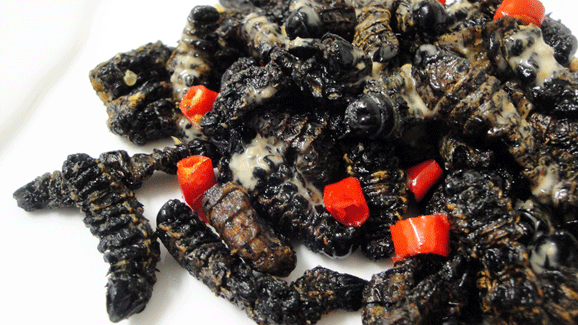
Scarcity forces traders to import Amacimbi from Botswana
Following poor local harvests this season, Amacimbi traders say they have been forced to source the mopane worms from neighbouring Botswana, a development that has pushed prices sharply up across Zimbabwe’s major markets.
Vendors who spoke to CITE said while Zimbabwe received good rains in some provinces, mopane worms did not mature in expected quantities in key and tradional harvesting areas such as Gwanda and Plumtree, leaving local dealers with limited supply.
Tineyi Dube, who trades at 5th Avenue Market in Bulawayo, said the shift to Botswana has significantly increased operational costs.
“This year local Amacimbi are very scarce, so we are now sourcing the product from Botswana. We travel to places like Palapye, Selebi-Phikwe and surrounding areas to buy different types such as amera, amapipi and umunondo. Transport costs are very high and we also pay for permits from the Botswana wildlife authorities and Environmental Management Authority (EMA).
“When we bring the worms back home, all those expenses will be reflected in the final price. That is why a bucket is now going for between US$50 and US$80,” explained Dube.
Another dealer, Nomsa Ndlovu from Harare said cross-border sourcing has become the only viable option for serious traders.
“We used to rely on local harvesters but this season supplies have been unreliable. In Botswana, we are able to buy in bulk, but the costs are heavy. Fuel, accommodation, transport permits and border charges all add up. By the time the amacimbi reach Harare, the price will have doubled. Customers think we are overcharging but we are simply covering expenses,” she said.
Another Bulawayo based dealer, who identified himself as Themba Moyo, echoed similar sentiments.
“In Botswana we buy directly from harvesters but we must comply with their regulations, including paying wildlife and environmental permits. We also incur transport costs for long distances. Traders are even coming from Harare to secure supplies. Because of these added costs, the price increase is unavoidable,” he said.
The traders said although consumers are feeling the pinch, demand for the protein-rich delicacy remains high, particularly in urban centres where mopane worms are a popular relish.
They added that unless local supplies improve in the next harvesting cycle, prices are likely to remain elevated due to continued reliance on imports from Botswana. _*CITE*_