
Epworth’s Strategic Urban Rebirth Metamorphosis
By Kudzai Jakachira
The proposed Epworth Master Plan represents a sophisticated paradigm shift, moving beyond mere administrative correction toward a high-stakes socioeconomic evolution. This strategy aims to recalibrate the district’s trajectory, transforming it from a peripheral “dormitory” settlement into a self-actualized, industrial, and cultural node within the Harare Metropolitan Region.
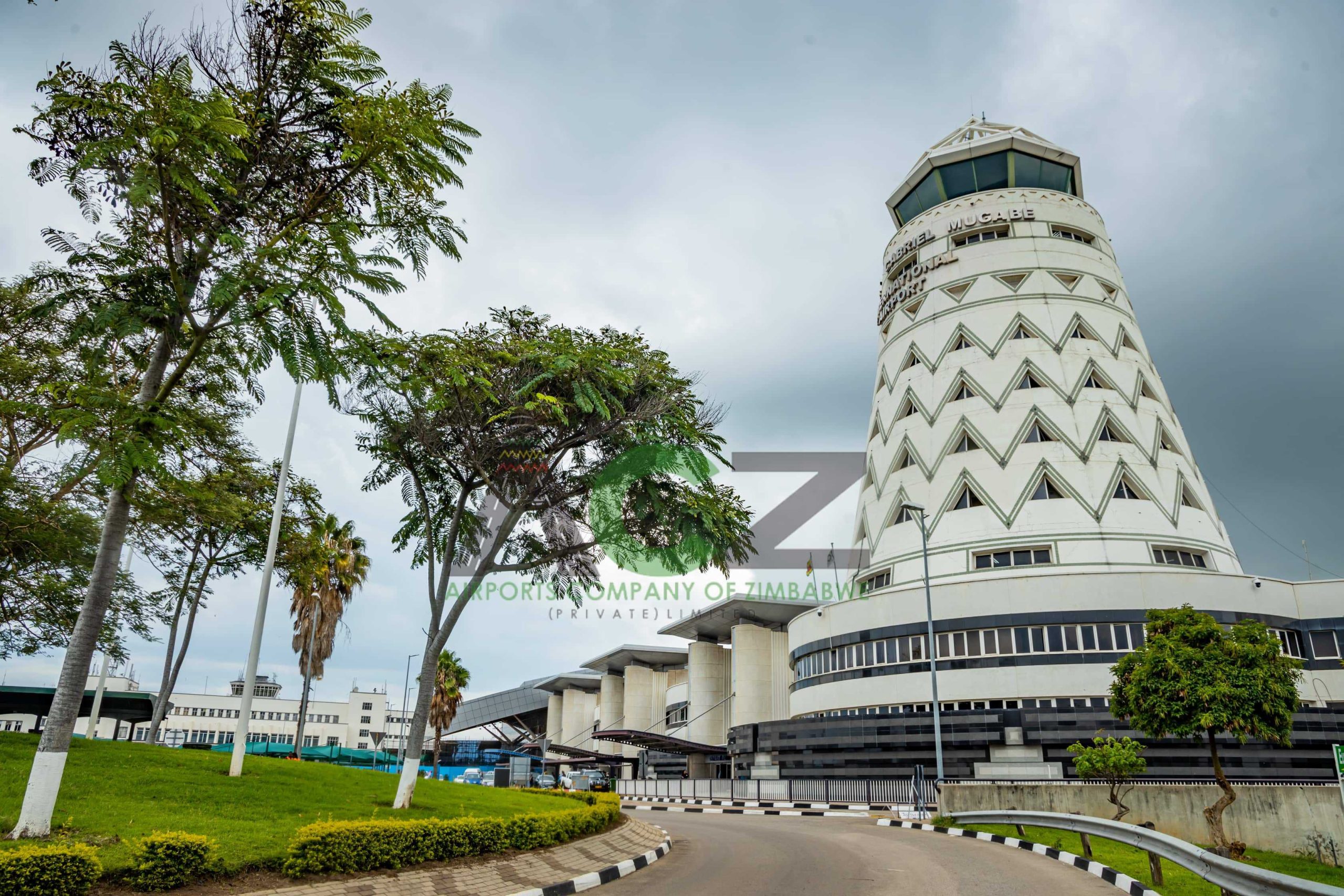
Rather than viewing Epworth through the lens of deficit, the plan identifies latent geographic advantages. By leveraging its proximity to Robert Gabriel Mugabe International Airport, the strategy seeks to catalyze an export-oriented industrial cluster. This shifts the economic burden away from the capital, Harare, and establishes a localized circular economy.
Furthermore, the formalization of the Chiremba Road Corridor is not just about paving streets; it is about legitimizing organic commerce. Transitioning this artery into a mixed-use development zone provides the regulatory “scaffolding” necessary for private equity to flow into the area with confidence.
In analyzing the plan’s potential, it is essential to distinguish between the lived experience of the resident (Nani) and the objective metrics of the urban planners.
“We feel ignored and powerless because our local board lacks real authority.” The population is projected to reach 325,000 by 2042, growing at 2.3% annually,”
“Finally, my home will be ‘real’ and safe from the threat of demolition.”
High-density areas currently lack formal sewage, requiring 45ML of water daily by 2042.
“The Balancing Rocks are our pride, but they look neglected and forgotten.”
The Balancing Rocks are a National Monument with untapped revenue potential.
“Getting to work is a nightmare; the roads are more like rivers when it rains.” Connectivity relies on just two major arteries (Chiremba and Delport) for over 200,000 people.
The plan’s commitment to “reclaiming” land is its most controversial yet vital component. With 15 school sites currently under illegal occupation, the Master Plan serves as a legal instrument to restore social infrastructure.
By integrating climate change adaptation and wetland preservation (specifically around the Jacha River), the blueprint ensures that the Epworth of 2030 is not just larger, but fundamentally more durable. It treats urban planning as a “living document,” capable of pivoting as the socioeconomic climate of Zimbabwe evolves.