
ConCourt Case Exposes Jonathan Moyo’s Role in Controversial Presidency Extension
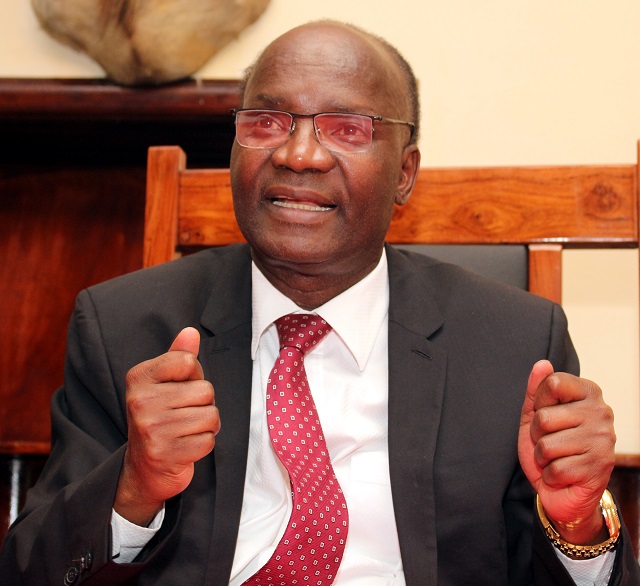
The sudden withdrawal of Advocate Method Ndlovu as legal counsel for Constitutional Court applicants Mbuso Fuzwayo and Ibhetshu LikaZulu has cast a spotlight on Professor Jonathan Moyo, revealing him as the principal architect behind the litigation meant to help Zanu-PF’s plan to extend President Emmerson Mnangagwa’s term to 2030.
In a letter dated March 5, 2026, Ndlovu cited a breakdown in trust and “significant reputational risk” as reasons for his withdrawal, while also accusing the former cabinet minister, who is also the principal architect of the case, of making unfounded allegations against him.
Ndlovu described the attacks as “choreographed” and indicated that they foreshadowed the position the applicants later took regarding his payment and engagement.
“This decision follows a fundamental breakdown in the trust and mutual expectations that underpinned my engagement.
“From the outset I made clear to you and to Professor Jonnathan Moyo, the principal architect of the litigation, that this matter would expose me to significant reputational risk and would therefore require appropriate and timely commitments and undertakings.
“Both of you gave assurances that this requirement would be met. It is therefore inconsistent and unacceptable that, after the grant of direct access, you now state that you are unable to pay me, particularly given my understanding that you have received payment in respect of the matter,” Ndlovu stated.
It has been alleged that the case was orchestrated as a collusive legal maneuver, aimed at producing a dismissal that could be leveraged to validate the proposed 2030 term extension
The development exposes Professor Moyo’s central role in orchestrating the litigation, and drafting of the Constitution of Zimbabwe Amendment (No. 3) Bill that seeks to extend the term of the President and Parliament by two more years.
The case arose after the Constitutional Court last month granted direct access to the applicants, allowing them to challenge Zanu-PF’s 2024 national conference resolution seeking to extend the president’s tenure beyond the constitutionally mandated two terms.
Cabinet, chaired by President Emmerson Mnangagwa, who is a direct beneficiary of the bill, approved the Constitution of Zimbabwe Amendment (No. 3) Bill before it was gazetted by the Speaker of Parliament on February 16.
The bill seeks to introduce sweeping changes, including extending presidential and parliamentary terms to seven years and altering election procedures.
While Justice Minister Ziyambi Ziyambi and government officials have defended the amendments as measures to enhance political stability and ensure policy continuity, critics, including constitutional scholar Professor Lovemore Madhuku, argue that they undermine democratic principles and could constitute a “constitutional coup.”
Political observers point out that the case’s legal basis was already being questioned, with analysts noting that the ConCourt was being asked to adjudicate a party resolution that had not yet been translated into law.
It was also stated that such premature litigation risks creating a “judicial presidency,” where courts are drawn into political questions before they become actionable disputes. *nehandaradio*