Court clears way for Johane Masowe exhumation
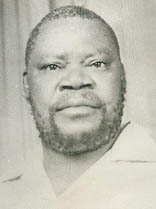
AUTHORITY has been granted for the exhumation of the remains of Peter Jack Masedza, also known as Johane Masowe, following protracted legal and administrative processes.
Johanne Masowe was buried in 1973 at a Rusape site that later became the principal shrine of the church he established.
Legal representatives of the biological sons of the late religious leader, Magaga and Rueben Masedza, issued a formal notice on March 25, 2026, to the Gospel of God Church International, advising that the exhumation would take place on April 2, 2026, at the Gandanzara Shrine in Makoni District, Rusape.
His sons have long argued that they should be allowed to rebury their father at a place they can freely access.
The church, however, insists that the site was chosen by Masedza himself and has since become sacred to thousands of congregants.
In a letter from Mushangwe and Company Legal Practitioners, the law firm affirmed that its clients had complied with all necessary administrative procedures and a burial order had been secured.
“Authority was granted from the relevant authorities to exhume and rebury the remains,” stated the letter.
The firm outlined the legal basis for the process, referencing a High Court judgment under Case No. HCH1769/23, which granted the Masedza family the right to exhume their father’s remains.
This decision was upheld by the Supreme Court in Case No. SCI 12/25.
The Provincial Registrar, J Munamati, confirmed in correspondence dated March 10 that the district registrar had been authorised to issue a burial order, further stating, “This office has no objection to the exhumation and subsequent reburial of the remains of the late Johane Masowe.”
Mr Munamati’s letter instructed that the process complied with all relevant legal and public health requirements.
“The law has spoken,” said a church elder mournfully. “How do we defy it?”
The shrine’s atmosphere is tense as the exhumation date nears.
Magaga and Rueben could not help but feel the weight of both triumph and loss.
Their father, in life, had been a man of God revered by multitudes, yet as his sons, they knew him at his most human.
The elder brother, Magaga, who had led the fight, spoke softly, “It’s been years of waiting. We have heard their prayers and braved their courts for many years, but we believe our father deserves to rest where he belongs, among his people, his blood.”
In December last year, the Supreme Court brought closure to a decades-long legal dispute over the burial of Johanne Masowe, dismissing an appeal by the Gospel of God Church International and confirming that the late church founder’s sons may pursue legal processes to exhume and rebury him.
However, the court stressed that only Government authorities, not the Judiciary, can authorise an exhumation.
Central to the case was the question of whether a site regarded as a shrine could be treated differently under exhumation laws.
The Supreme Court held that no burial place, shrine or otherwise, is exempt from the provisions of the Cemeteries Act, and that any party seeking exhumation must follow administrative procedures provided for in law.
In her judgment, Justice Susan Mavangira said the lower court had merely recognised the sons’ right to initiate that process — it did not authorise the removal of the remains.
“The applicants have a right to seek the exhumation of the remains of the deceased. Whether they succeed in that quest is not for this court to decide but for the appropriate administrative authorities,” she said.
The church argued that the matter had already been settled through a 2003 High Court ruling, which denied the sons access to the burial site, but the Supreme Court found that the earlier case related only to visitation and not exhumation.
It also dismissed claims that the matter had prescribed, noting that the respondents had remained engaged in related litigation over the years.
The court further observed that the exhumation process was already underway, with notices published in the Government Gazette and a local newspaper, prompting more than 50 objections.
Although this technically rendered the appeal moot, the bench decided to issue a judgment in the public interest, given the legal questions raised.
Justice Mavangira also criticised the basis of the appeal, saying the appellant “appears to be appealing against an idea, not an order,” and found no merit in the argument that a shrine was immune from statutory processes.
The exhumation marks the culmination of a highly contested legal battle between the Masedza family and the Gospel of God Church International concerning the resting place of the late Peter Jack Masedza.