The Unseen Enemies of the Journalist
By Bigboy Madzivanzira
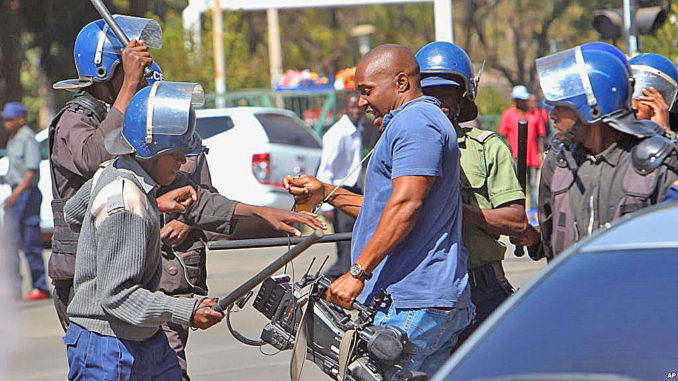
As a journalist, one’s work is often met with resistance, hostility, and even threats. The phrase “journalist is an enemy of the state” may sound extreme, but it’s a harsh reality for many reporters who dare to expose injustices and corruption.
In Zimbabwe, journalists face numerous challenges in their quest for truth and accountability. One of the most significant obstacles is the perception that they are enemies of the state, simply because they shed light on issues that those in power would rather keep hidden.
The Invisible Targets
Journalists are often seen as threats to those who benefit from the status quo. They are the unwelcome voices that disrupt the silence, exposing the corrupt, the abusive, and the incompetent. Whether it’s investigating border jumping, taxi invasions, or government corruption, journalists are often viewed as adversaries by those who wish to maintain their grip on power.
As the late Barnwell Chakaodza once said, “The duty of a journalist is to seek the truth and report it and hold the government accountable.” These words encapsulate the role of a journalist in a democratic society.
A Taste of Local Hospitality
I recently experienced this firsthand at a local shebeen, where patrons would often whisper among themselves, “Be careful, we have one of them, a journalist. You won’t be surprised to see yourself in the paper.” The tension was palpable, and it seemed like everyone was on edge. The Shebeen Queen, sensing my presence was making her clients uncomfortable, offered me four quarts to go, pleading with me to leave. I explained my position and assured her that accepting the offer would have a bearing on her business. I did, however, take one beer, and that seemed to break the ice. She introduced me to one of the patrons, saying, “This is one of us,” and the atmosphere improved dramatically.
The Challenges
So, what are some of the specific challenges faced by journalists in Zimbabwe?
– Harassment and Intimidation : Journalists are often subjected to harassment, intimidation, and even physical violence for their work.
– Censorship: Governments and powerful individuals often try to silence journalists through censorship, blocking access to information, and restricting press freedom.
– Lack of Protection: Journalists often work without adequate protection, making them vulnerable to attacks and threats.
– *Financial Constraints*: Investigative journalism is often expensive, and journalists may struggle to secure funding for their work.
The Importance of a Free Press
Despite these challenges, journalists continue to play a vital role in holding those in power accountable. A free press is essential for a healthy democracy, and it’s crucial that journalists are able to do their work without fear or favor.
About the Author: Bigboy Madzivanzira is a multi-faceted individual with expertise in health promotion and disability issues He is a Freelance Journalist who has written about public health issues and disability. You can contact Bigboy at 0773367913 or healthpromotionclinic@gmail.com.