
𝗭𝗣𝗖𝗦 𝗜𝘀𝘀𝘂𝗲𝘀 𝗦𝘁𝗲𝗿𝗻 𝗪𝗮𝗿𝗻𝗶𝗻𝗴 𝗔𝘀 𝗙𝗮𝗺𝗶𝗹𝗶𝗲𝘀 𝗗𝗲𝗺𝗮𝗻𝗱 𝗜𝗺𝗺𝗲𝗱𝗶𝗮𝘁𝗲 𝗥𝗲𝗹𝗲𝗮𝘀𝗲𝘀 𝗔𝗳𝘁𝗲𝗿 𝗣𝗿𝗲𝘀𝗶𝗱𝗲𝗻𝘁𝗶𝗮𝗹 𝗔𝗺𝗻𝗲𝘀𝘁𝘆
…Due Process Must Be Followed Before Inmates Are Released
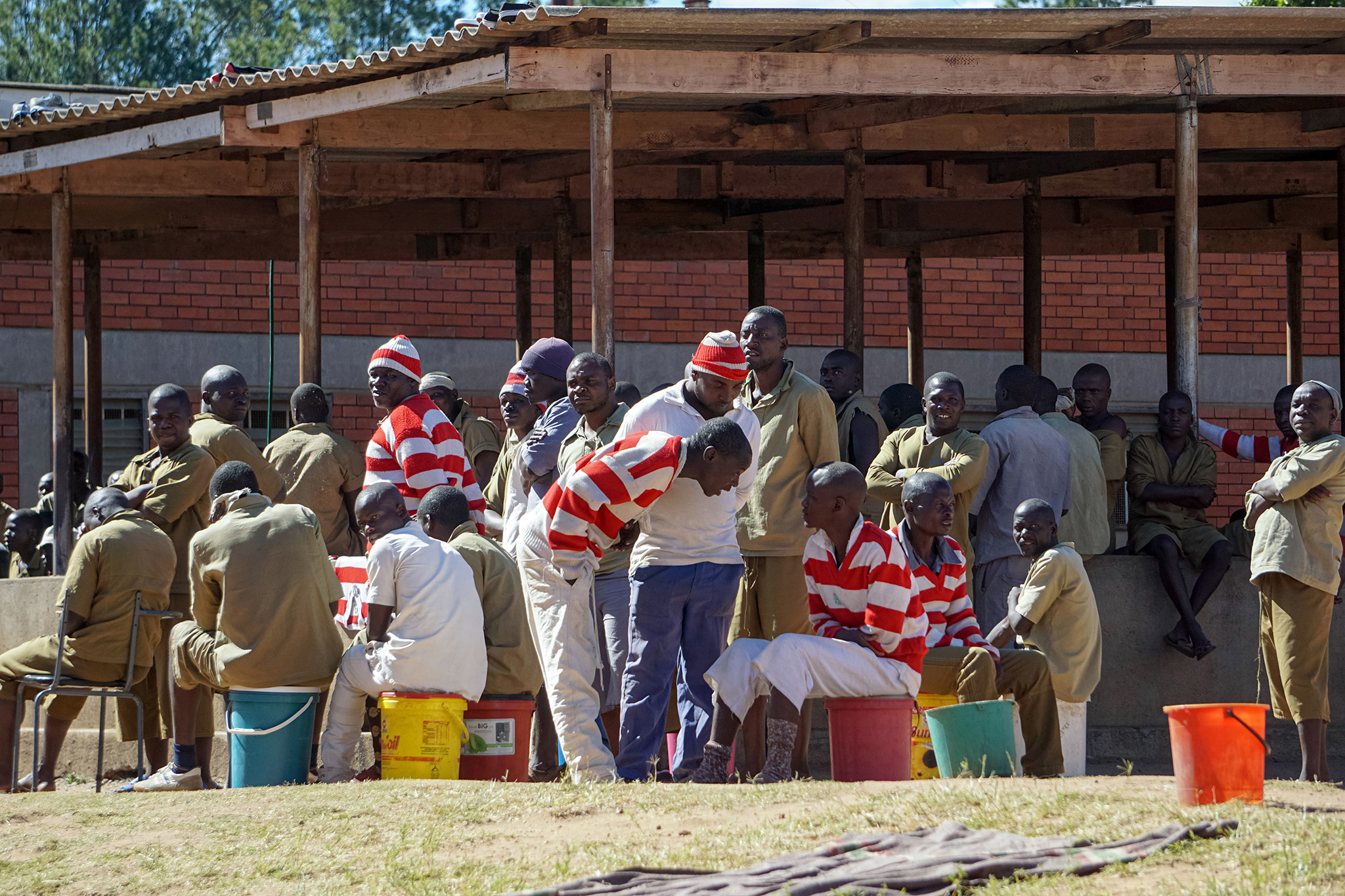
The Zimbabwe Prisons and Correctional Service (ZPCS) has urged families and the public to remain patient after Cabinet approved a Presidential Amnesty for certain categories of inmates.
In a statement issued on 12 February 2026, ZPCS spokesperson Assistant Commissioner Meya Khanyezi said prison offices across the country have been flooded with calls and visits from families, members of the public and the media asking when prisoners will be released.
She stressed, however, that proper procedures must be followed before any inmate can be freed. Said Khanyezi:
“While we fully understand the anticipation and interest surrounding this development, it is important to emphasise that due processes must be meticulously followed before any inmate is released.
“The Amnesty will be implemented strictly in accordance with the legal framework and the specific conditions outlined in the proclamation.
“ZPCS, working in close coordination with relevant judicial and administrative authorities, will be undertaking the necessary verification, screening, and documentation processes to ensure that only eligible inmates benefit under the stipulated categories when the amnesty is gazetted.
“This process is essential to uphold the rule of law, maintain public confidence, and safeguard the integrity of the justice delivery system.
“We therefore urge the public to exercise patience and allow the Service to complete this important exercise thoroughly and professionally.”
To inmates eligible for release, the ZPCS delivered a clear message: the amnesty must be regarded as a genuine second chance. Said Khanyezi:
“The orderly and lawful execution of the Amnesty is our priority. To those inmates who will benefit from this gesture of mercy, we extend a clear and solemn message: this opportunity is a second chance at life.
“We urge you to embrace it with responsibility, discipline, and a renewed commitment to living as law-abiding citizens.
“The Amnesty is not merely a release from custody; it is an invitation to rebuild your lives, restore family bonds and contribute positively to national development.”
Communities have also been urged to support former inmates after their release to help smooth their reintegration into society.
Under the approved framework, the amnesty will apply to several categories of prisoners. These include all convicted female inmates and juveniles, as well as those serving effective sentences of 48 months or less.
Prisoners certified as terminally ill, those held in open prisons, and inmates aged 60 and above will also qualify.
In addition, prisoners serving life sentences who have completed at least 20 years will be eligible, along with inmates living with disabilities.
Those serving sentences longer than 48 months will receive an additional one-quarter remission of their effective term.
However, the General Amnesty will exclude any prisoner who was previously released on amnesty; any person serving a sentence imposed by a Court Martial; any person with a record of escaping from lawful custody; and any inmate convicted of any specified offence.
The specified exclusions include offences such as m¥rder, treason, r@pe and other sexual crimes, carjacking, robbery and armed robbery, public violence, human trafficking, and unlawful possession of a firearm.
The amnesty will also not apply to offenders convicted under certain statutory provisions, including the Electricity Act, the Postal and Telecommunications Act, the Public Order and Security Act, the Maintenance of Peace and Order Act, the Railway Act, and the Copper Act.