AI-powered traffic cameras to go live at 20 sites in Harare
TWENTY artificial intelligence (AI)-powered traffic camera sites are set to be established across Harare early next month under a new high-tech traffic management system, which will also be progressively rolled out to other cities.
The initiative is designed to curb speeding, red-light violations and other dangerous driving behaviours contributing to road accidents and congestion.
Permanent Secretary in the Ministry of Home Affairs and Cultural Heritage Ambassador Raphael Faranisi said the first phase of the programme, expected to be rolled out before March 15, 2026, will see smart poles equipped with AI-embedded traffic cameras installed at identified high-risk intersections and accident-prone zones across the capital.
The initiative is part of Government efforts to modernise traffic law enforcement through digital technologies while improving road safety and easing congestion in urban areas.
The cameras will reportedly automatically detect a wide range of traffic violations, including motorists who run red traffic lights, exceed speed limits, drive against traffic flow or commit other infractions that disrupt traffic movement and endanger road users.
“The first phase, which is anticipated to be rolled out before March 15, 2026, shall cover 20 identified sites in Harare,” said Ambassador Faranisi.
“The intersections shall be installed with AI-embedded traffic cameras mounted on smart poles.
“These cameras will detect various traffic violations like red-light violations and speeding.
“The traffic cameras will be installed at hotspot areas where motorists violate traffic rules, causing unnecessary congestion.”
Although the specific locations were not immediately disclosed, the authorities have previously identified several problematic intersections in Harare’s central business district and major arterial routes — including areas along Samora Machel Avenue, Julius Nyerere Way, Abdel Gamal Nasser Road (formerly Rotten Row), Simon Mazorodze Road and Liberation Legacy Way (formerly Borrowdale Road) — where traffic violations and reckless driving are common.
The AI-powered system will rely on advanced image recognition and data analytics to monitor traffic in real time.
The cameras will automatically capture vehicle number plates and analyse driver behaviour to detect violations without the need for continuous monitoring by law-enforcement officers.
“Speed detection cameras will be deployed in accident-prone areas, where motorists are tempted to exceed speed limits,” he said.
Using radar- or laser-based technology, speed detection cameras measure a vehicle’s speed and instantly flag motorists who breach prescribed limits.
The authorities say automated enforcement reduces human error, enhances consistency in traffic policing and acts as a deterrent by increasing the likelihood that offenders will be detected.
Research from countries that have adopted similar systems indicates that automated speed enforcement contributes to lower accident rates by encouraging motorists to adhere to traffic regulations.
“Phase 2 will cover Bulawayo city, where similar cameras will be installed,” added Amb Faranisi.
The initiative, Amb Faranisi said, will also introduce a fully digital e-ticketing platform that automates the detection, notification and payment of fines with minimal human involvement.
“The detection and notification of offending drivers and payment of fines shall be done automatically with very minimal human involvement, through an e-ticketing platform which will be accessible over a mobile application,” he said.
Once a violation is detected, the system will generate an electronic ticket linked to the vehicle registration details.
Motorists will receive notifications through a mobile application and other digital channels, allowing them to view the offence, confirm details and pay fines electronically.
It is envisaged that the platform will help reduce corruption risks, eliminate disputes arising from manual ticketing and improve efficiency in processing traffic offences.
Added Amb Faranisi: “Motorists without access to the internet will be required to visit the nearest police stations for payment.”
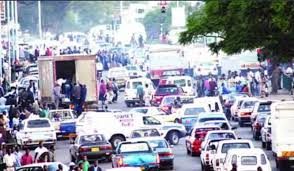
The rollout comes against the backdrop of growing concerns over road safety in Harare, where reckless driving, speeding, failure to observe traffic signals and driving against oncoming traffic have become increasingly common.
Such infractions contribute significantly to congestion, accidents and loss of life, particularly during peak hours when motorists attempt to bypass traffic controls or ignore signals.
Urban growth, increased vehicle numbers and limited enforcement capacity have placed pressure on traditional traffic policing methods, prompting the Government to adopt technology-driven solutions.
Across Africa, several countries are increasingly deploying smart traffic management technologies to improve compliance and reduce accidents.
Cities such as Nairobi, Kigali and Johannesburg have introduced automated traffic cameras and digital enforcement systems that have helped enhance road discipline, reduce accident rates and improve traffic flow.
_Sunday Mail_