
MANDATE BY EXHAUSTION: The UZ Electoral Vacuum and the National Crisis of Tenure
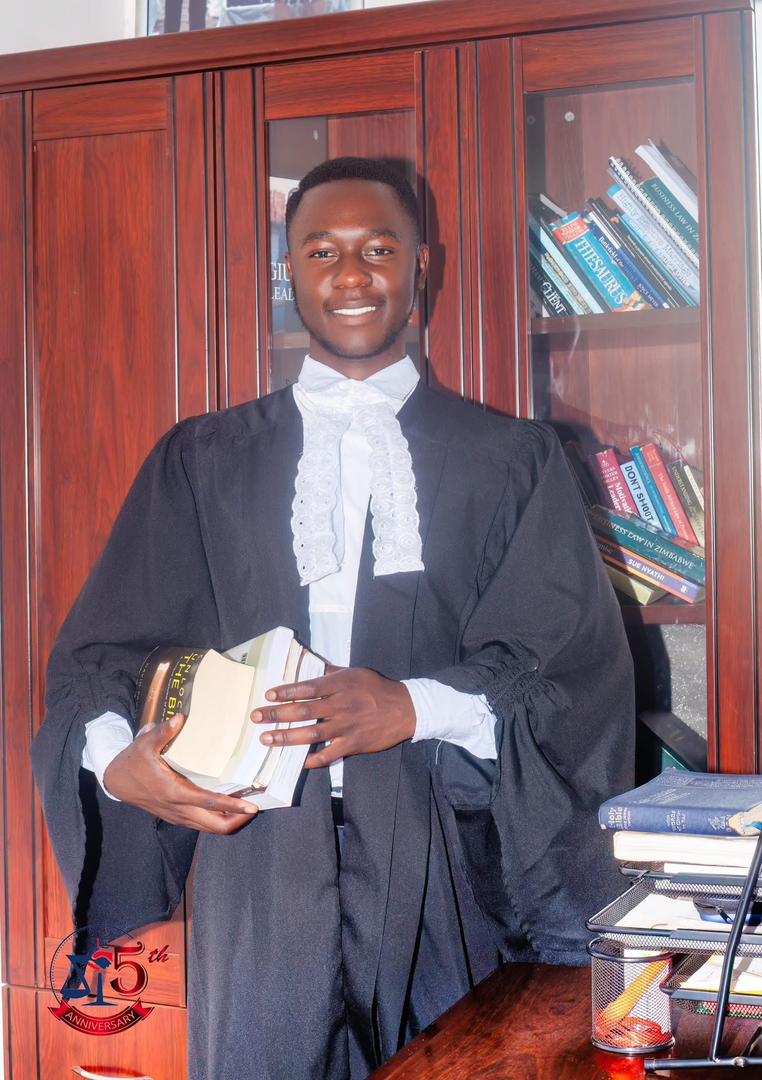
The legal challenge mounted by emerging litigator Sean Zvarevashe (pictured) against the University of Zimbabwe (UZ) transcends the boundaries of campus politics, serving as a microcosmic reflection of a burgeoning national anxiety: the erosion of democratic renewal.
At its core, the High Court application interrogates the legitimacy of leadership sustained not by the ballot, but by the strategic omission of elections.
The crux of Zvarevashe’s litigation rests on a demand for a declaratory order.
He contends that the two-year hiatus of Student Representative Council (SRC) elections is a flagrant violation of institutional and constitutional norms.
The application seeks to compel the university to facilitate a return to the electoral cycle, arguing that the current governance structure operates within an “unlawful and undemocratic vacuum.”
The parallels between the UZ impasse and the broader Zimbabwean political landscape are striking.
Both spheres are currently grappling with the tension between established term limits and the mechanics of power retention.
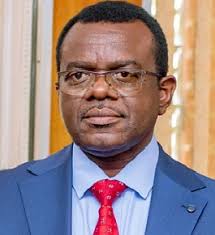
UZ VICE-CHAMCELLOR PROF MAPFUMO
A pivotal point of friction in this case is the university’s defense. The respondents argue that the onus for organizing elections lies solely with the outgoing SRC, effectively distancing the central administration from the failure.
However, legal experts suggest this “hands-off” approach is a fallacy.
In any governed ecosystem, the body that provides the legal and regulatory framework—in this case, the university—ultimately holds the fiduciary duty to ensure that its constituent governance structures are functional. To permit a lapse in elections is to permit a lapse in the very legitimacy the institution claims to uphold.
As the High Court deliberates, the implications extend far beyond the ivory tower. Zvarevashe’s use of strategic litigation underscores a growing movement to hold public bodies to a higher standard of constitutionalism. The central question remains: Is democracy an optional convenience or a non-negotiable requirement?
“The principle is consistent across all levels of governance. Where leadership continues without renewal of mandate, questions of legitimacy inevitably arise.” — Governance Expert
Whether the court finds the failure to hold elections to be an “unlawful omission” will set a critical precedent. If the university is compelled to act, it reinforces the notion that administrative authorities cannot remain passive observers to the decay of democratic processes under their watch. In a climate where term extensions are a sensitive national topic, the UZ case serves as a loud reminder that leadership without the consent of the governed is a house built on sand.