
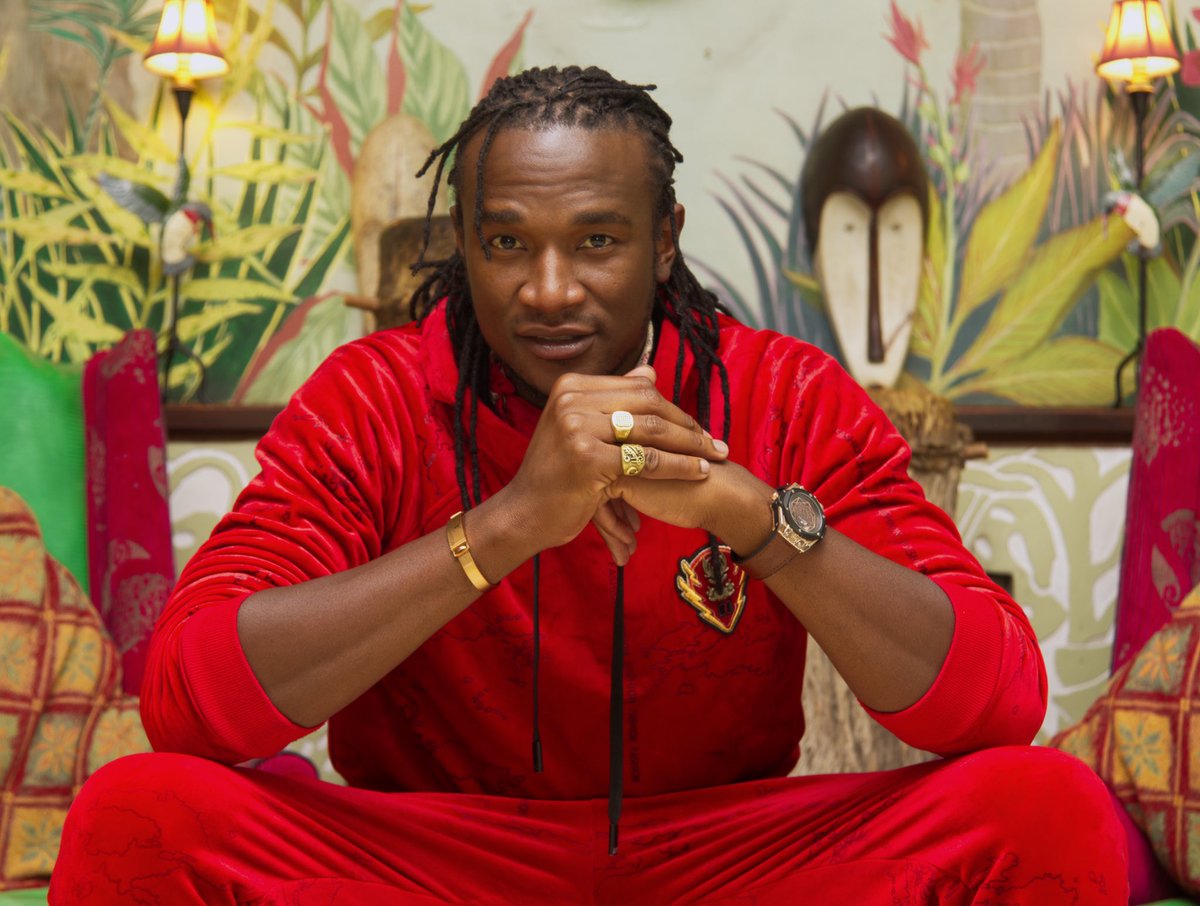
Jah Prayzah abandoned by fans? — Inside the HICC low turnout debate
A wave of reaction has followed Jah Prayzah’s HICC show, with social media users sharply divided over what exactly happened. Was this a genuine rejection by fans — or a misread moment?
The commentary itself tells the story.
One of the earliest attempts to calm the narrative came from Zigo, who dismissed political explanations outright:Politics
“Jah Prayzah failure to fill the HICC is not political at all… its just a poorly organized and poorly publicized event… The flop is of course Bad PR for JP, but not consequential.”
That framing — bad planning, not declining popularity — is echoed elsewhere, but not universally accepted.
Others were far less forgiving. One commenter cut straight to the optics:
“It’s a flop guys, let’s just call a spade a spade… JP being a bigger brand people should have gone to his show.”
Here, the argument shifts from logistics to expectation: a brand of Jah Prayzah’s size is not supposed to struggle to fill HICC, regardless of circumstances.
But another cluster of voices points to timing rather than fan abandonment. One user put it plainly:
“No he didn’t, we were at church for Easter.”
Zigo had already hinted at this broader context:
“It is also an easter season vanhu vari kumachurch or out of town kumusha or vacation…”
In other words, the audience may not have rejected the artist — they simply weren’t available.
There is also a strategic critique emerging from the discussion around promotion and positioning. A commenter referencing competing events noted:
“Ama 2k did fairly well too… JP being a bigger brand people should have gone to his show.”
This comparison matters. It suggests that turnout is not just about star power, but execution — how well an event is marketed and differentiated.
Then there is a deeper, more uncomfortable thread: audience fatigue. One comment captures it directly:
“People are tired of old songs they want new shows and good curtain raisers that’s all.”
If accurate, this is not about one event — it is about the lifecycle of a brand. Longevity requires reinvention, not just consistency.
Others even hint at internal industry dynamics affecting perception:
“When that show happened I knew for a certain that Jah wakuenda kumawere…”
And another adds a subtle but telling contrast:
“Winky D could have filled that place up.”
Even if speculative, these comparisons shape public sentiment. In entertainment, perception can quickly harden into narrative.
There is also an economic undertone running through the reactions:
“Economy haichade kutambisa mari nezvisina basa izvozvo.”
This introduces a harder reality — fans may still admire the artist, but are becoming more selective about where they spend.
So, was Jah Prayzah abandoned?
The evidence from the public reaction suggests something more nuanced. There is no single dominant explanation — rather, a mix of factors: timing, promotion, economic pressure, and evolving audience expectations.
What is clear is that the crowd did not unanimously turn against him. Instead, as one user indirectly summed it up through frustration at the debate itself:
“Does that need ur justification”
The question may not be whether fans have abandoned Jah Prayzah — but whether the conditions around this specific show were strong enough to bring them in.
And this time, they weren’t. *_-ZimEye_*