
Chiwenga’s warning to Mnangagwa? Bible message stirs political tensions in Zimbabwe
….Vice president’s church speech is seen as a veiled rebuke as constitutional changes threaten succession pathways
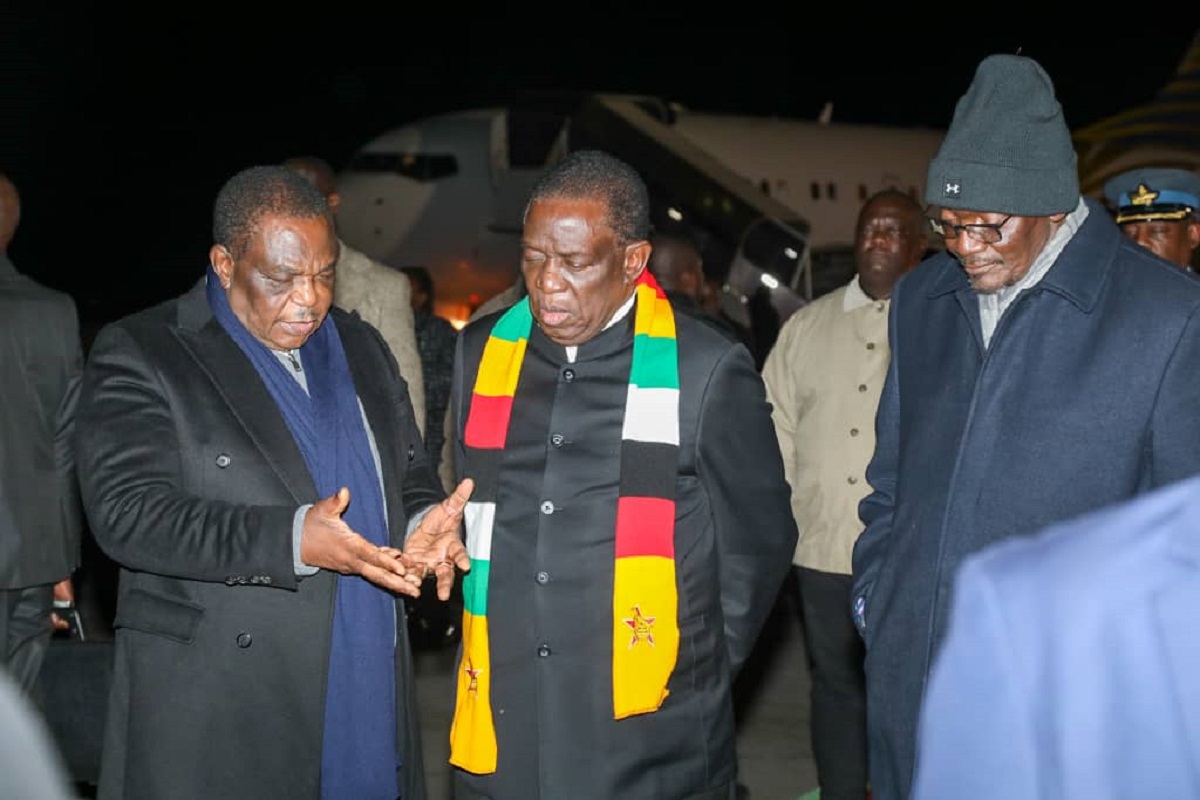
As Zimbabwe’s ruling party pushes controversial constitutional changes that could reshape presidential power, Vice President Constantino Chiwenga appeared to deliver a pointed warning—thinly veiled in scripture—widely interpreted as aimed at President Emmerson Mnangagwa.
Speaking at a Roman Catholic gathering in Murewa on Saturday, Chiwenga framed his address around principles of leadership, urging humility, simplicity, and compassion. Drawing on the example of Saint Francis of Assisi, he described these traits as essential to balanced and ethical governance.
But it was his later turn to biblical narrative that gave the speech its political edge. Referencing the Book of Isaiah, Chiwenga told the story of King Hezekiah, a ruler who resisted accepting the end of his time in power.
He explained how Hezekiah, despite being warned that his reign was nearing its conclusion, refused to step aside. Although granted an additional 15 years, the extension ultimately led to poor judgment and the collapse of his kingdom.
Through the parable, Chiwenga underscored the dangers of leaders overstaying their welcome—a message that resonated strongly against the backdrop of Zimbabwe’s current political climate.
Parliament is currently considering the Constitution of Zimbabwe Amendment (No. 3) Bill 2026, a sweeping proposal that could significantly alter the country’s governance structure. One of its most striking provisions would eliminate direct presidential elections, instead allowing lawmakers to choose the head of state in a joint parliamentary vote.
The bill also proposes changes to succession rules, removing the automatic pathway for a vice president to assume power in the event of a vacancy. This adjustment could directly affect figures such as Chiwenga and fellow deputy Kembo Mohadi.
Additional measures include extending presidential and parliamentary terms from five to seven years. While supporters argue the change would reduce the disruptions of frequent elections and allow more time for development projects, critics warn it risks weakening democratic accountability and may require a referendum.
The proposed legislation would also expand the Senate from 80 to 90 members, with the president empowered to appoint 10 additional senators based on professional expertise—potentially increasing executive influence over parliament.
Mnangagwa, whose current term runs until 2028, is constitutionally barred from seeking re-election. However, his allies maintain that the proposed amendments do not violate term limits but instead adjust the structure of governance.
Analysts caution that shifting presidential elections to parliament could intensify political maneuvering, raising concerns about transparency and the potential for undue influence among lawmakers.
A parliamentary vote on the bill is expected in late May, after which it would be sent to the president for approval.