
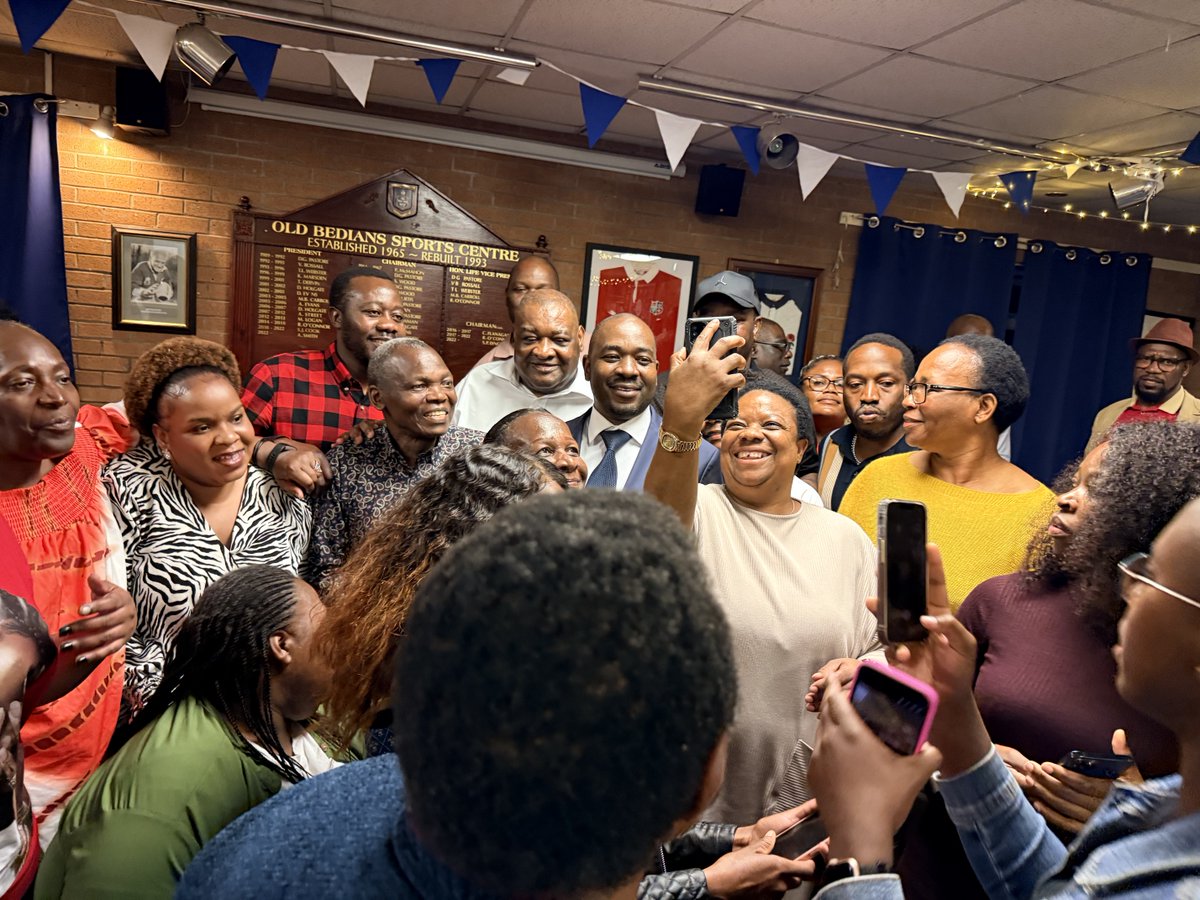
Chamisa’s UK consultation tour draws large crowds, sparks political debate
Zimbabwean opposition activist, Advocate Nelson Chamisa has concluded a series of marathon consultation meetings in the United Kingdom that attracted diplomats, academics, professionals, civil society representatives and members of the Zimbabwean diaspora, in what supporters described as an important step in engaging Zimbabweans on the country’s political future.
The consultation process began in London with a number of round-table and closed discussions involving diplomats, scholars, professors, political stakeholders and UK think tanks. The meetings were designed to provide an open platform for participants to exchange views on Zimbabwe’s current political, economic and constitutional challenges.
Among those organising and attending were respected members of the Zimbabwean community, including renowned UK barristers Chengetai Innocent Mupara, Brighton Mutebuka, Chenayi Mutambasere, Patricia Chinyoka, John Burke of Zimbabwe Human Rights Organisation (ZHRO), Panyika Karimanzira of Restoration of Human Rights (ROHR), Patrick Cheza, Sanderson Makombe, Model Pamire, Izwi Muyambi, Reverend Chisvo, Thomas Machingauta, former MDC UK executive members, including the former Vice Chair Fiona Madanhi, together with observers from various organisations and news outlets such as Change Radio, ZimEye, BBC among others.
The London engagements were followed by a larger consultation meeting in Manchester, where long-standing political activists, professionals, community leaders and first-time participants gathered to discuss the future direction of Zimbabwe.
Participants raised a wide range of questions covering Chamisa’s decision to step away from active frontline politics, his previously stated intention to return within 180 days, the political vacuum many attendees believe emerged following divisions within the Citizens Coalition for Change (CCC), and what they described as infiltration of the opposition. Those views reflected the opinions expressed by participants during the consultations.
Chamisa spent several hours responding to questions, addressing concerns ranging from constitutional reforms and governance to allegations circulated on social media regarding financial matters. During one exchange, he firmly rejected allegations that he had accepted bribes, adding a light-hearted remark that if anyone receives benefits from Zanu PF, “they will never be allowed to leave quietly, even after receiving something as small as a car,” drawing laughter from the audience.
The meetings also examined constitutional issues, including discussions surrounding Constitutional Amendment No. 3 (CAA3), with participants seeking Chamisa’s assessment of its implications and possible democratic responses.
Several attendees challenged Chamisa on the opposition’s strategy going forward, while others urged him to return to active leadership, arguing that Zimbabwe requires united democratic leadership during what they described as a critical period in the country’s history.
Women’s voices featured prominently throughout the consultations. Community leaders Melody Phylis Magejo and Josephine Jenje-Mudimbu were among those contributing to the discussions. An emotional moment occurred when Josephine Jenje-Mudimbu embraced former colleagues Eric Knight and Phillip, with whom she had previously worked at the Zimbabwe Broadcasting Corporation (ZBC), symbolising the reunion of former colleagues and activists.
Security arrangements for the tour were coordinated by Shepherd Yuda, Blessing Karembera, Allan Mafodya Titus and Dickson Chikwizo, supported by a volunteer team that included Samuel Jambaya, Anna Katsande, Felicia Munemo, Rosalyne Dzidzwa, Brian Murenza, Michelle Rwatiringa, Munyaradzi Masaka, Russell Mubeto, Edward Raphozzo, Godfrey Tawanda Mandibaya, Andrew Masuka, Wallace Mbauya, Nqobile Mpofu, Hatirarame Jenatry Muranganwa, Prince Chidewu, Felistas Munemo, Ellah Chirunga and Patson Muzuwa.
Chamisa haild the youthful security team which confronted members of the Central Intelligence Organisation (CIO), who came undercover to record the proceedings. Also, some Zanu PF apparatchiks tried to instill fear through heavy presence and some even contributed sentiments that implicated the citizens for advocating for war as mentioned in an article by a Dr. Masimba Mavaza’s website.
During the Manchester discussions, Chamisa encouraged Zimbabweans wishing to exercise their democratic rights to do so peacefully, lawfully and consistently. He reportedly advised that demonstrations should be organised and dealt in sync rather than being a one off.
Participants also discussed the importance of pursuing constitutional and legal remedies through the courts while continuing to advocate for democratic reforms using peaceful and lawful means. Several attendees expressed the view that the protection of constitutional rights, respect for the rule of law and active citizen participation remain essential to Zimbabwe’s democratic future.
The UK consultation tour has generated significant discussion among Zimbabweans both in the diaspora and at home. While supporters view the meetings as a renewed effort to reconnect with citizens and shape a future political strategy, critics are likely to continue debating Chamisa’s approach and timing.
As Zimbabwe continues to face political and economic challenges, the consultations demonstrated the continuing interest among Zimbabweans abroad in contributing ideas, engaging in dialogue and participating in discussions about the country’s future. *_-NewZimbabwe_*
4. *ZCTU slams