Xenophobia in South Africa targets ZEP holders
The xenophobic and vigilante group March and March has turned its attention to Zimbabwean nationals living in South Africa, particularly holders of the Zimbabwe Exemption Permit (ZEP), following the limited public response to calls for anti-government demonstrations in Zimbabwe on 31 July.
The group’s leader, Jacinta Zuma, whose organisation has previously campaigned against undocumented foreign nationals in South Africa, made the remarks over the weekend after the planned nationwide protests in Zimbabwe failed to gain significant public participation.
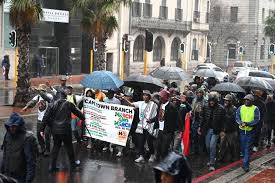
In a social media post, Zuma thanked members of her organisation who gathered outside the Zimbabwean Embassy in Pretoria in what she described as a show of solidarity with Zimbabweans and detained activist Bhekimpilo Mbedzi. She said she was disappointed that comparatively few Zimbabweans participated in the demonstrations inside Zimbabwe.
“We came to support the people of Zimbabwe, but they did not come out for themselves,” Zuma wrote, before arguing that the absence of mass protests suggested Zimbabweans were content with their government.
She went on to renew her campaign against Zimbabwean migrants in South Africa, calling for undocumented Zimbabweans to leave the country. Zuma also said holders of Zimbabwe Exemption Permits should return home, insisting that “South Africa is for South Africans.”
The comments have drawn criticism from observers who argue that they ignore the vastly different political and security environments in Zimbabwe and South Africa.
While South Africa’s Constitution provides robust protections for freedom of assembly and protest, Zimbabwe has a long history of heavy-handed responses to anti-government demonstrations. Security forces have frequently dispersed protests, arrested organisers and activists, and charged participants under public order and criminal legislation.
Human rights organisations have documented numerous cases in which fear of arrest, violence or intimidation has discouraged citizens from participating in street protests, making direct comparisons between civic mobilisation in the two countries difficult.
South Africa, by contrast, has experienced recurring waves of anti-immigrant violence over the past two decades. Major outbreaks in 2008, 2015, 2019 and subsequent localised incidents have targeted migrants from several African countries, including Zimbabwe, Mozambique, Nigeria, Ethiopia, Somalia and Malawi.
Although many South Africans reject xenophobia, anti-foreigner rhetoric has periodically resurfaced amid concerns over unemployment, crime and pressure on public services, with groups such as Operation Dudula and March and March advocating stricter immigration enforcement.
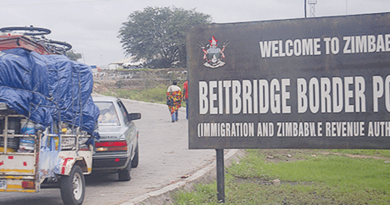
Zimbabweans constitute one of the largest migrant communities in South Africa, many having left their country over the past two decades because of economic decline, political instability and limited employment opportunities.
The Zimbabwe Exemption Permit programme was introduced by the South African government to regularise the stay of qualifying Zimbabwean nationals already living and working in the country. The permit allows holders to live, work and study legally without applying for ordinary work or residence visas.
However, the programme has been the subject of prolonged legal and political disputes after the government announced plans to terminate it, with several court challenges delaying its withdrawal. Thousands of ZEP holders continue to face uncertainty over their long-term legal status.
Zuma’s latest remarks are likely to fuel renewed debate over immigration and xenophobia, particularly as South Africa continues to grapple with high unemployment and competing political narratives surrounding migration ahead of future electoral contests. *_-ZimEye_*