
HIV infections surge among Ama2k generation…parents urged to engage sex education with their children
PARENTAL neglect, sexual abuse by relatives as well as delinquency has spurred the worrisome increase in new HIV infection for the 15 to 24 age group across the country, National Aids Council has revealed.
A noticeable increase in new HIV transmission among adolescents and young adults between the 14 to 24 age group has been recorded compared to all other age groups.
Addressing media personnel at the start of a media tour in selected districts the province early this week, National Aids Council provincial manager for Manicaland Mr Artwell Shiridzinomwa said: “Generally, we have a reduction in new HIV infections, but we are still experiencing some worrisome new infections especially if you look at young people, the 15 to 24 age group. This is at a national scale, but also reflective of the trend here in Manicaland.
“Yes, other age groups are also recording their own figures in terms of new HIV infections, but it has generally been higher in that age group. This is where we are getting most of the new infections. In order to curb these new infections in that age group, we need to conscientise our young people that your health is your responsibility. This is the reason we are having these campaigns and media tours.”
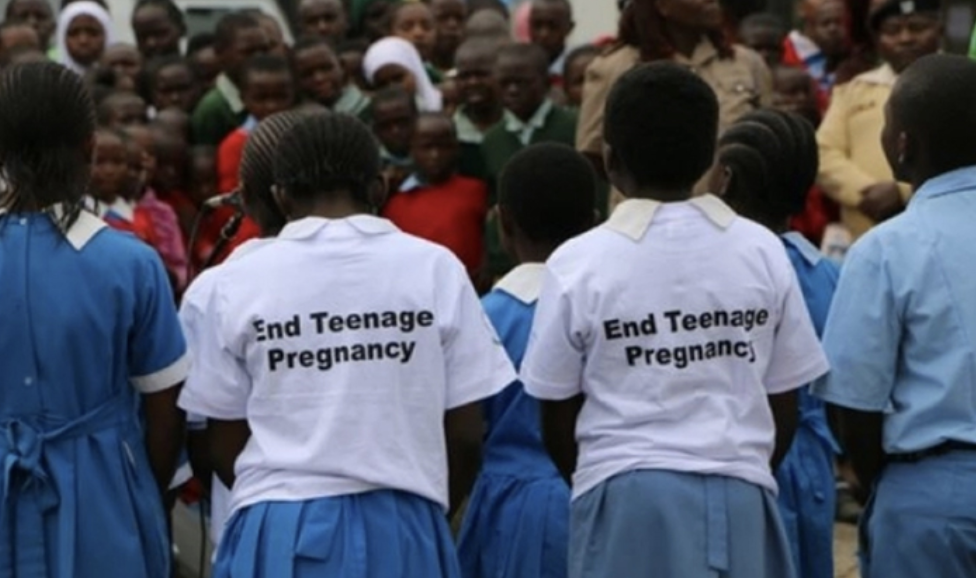
In her presentation to journalists at Checheche Primary School on Wednesday during the media tour, Mrs Yolanda Gwizo, a representative of NAC District Aids Coordinator for Chipinge, one of the worst affected areas in the country, said parents leaving their children alone while working in neighbouring countries has worsened sexual abuse of children leading to an increase in teenage pregnancies and early marriages.
“We have different reasons that have contributed to the increase in teenage pregnancies and early marriages. Some of the reasons for teenage pregnancies in this area include neglect by parents. Some parents go to Mozambique and South Africa in search of greener pastures, leaving their children alone. In some cases, it is due to relatives who abuse young girls in the family set up, and in other cases, it is also due to teenage delinquency,” she said.
Such dynamics have informed ongoing Government interventions, including the Organisation of African First Ladies on Development (OAFLAD) – an initiative on adolescent parents, as well as the NotInMyVillage Campaign – to address the worrying trend.
Said Mrs Gwizo: “The OAFLaD programme has assisted us greatly in restoring hope and dignity to many adolescent parents, especially here in Chipinge District, where we have recorded high numbers of such cases. In fact, we have identified the Checheche area as a hotspot, hence the implementation of the programme in this area. We also have other interventions that are running concurrently, all aimed at addressing this issue. The NotInMyVillage Campaign is another example. This is a collaborative effort with traditional leaders, the Ministry of Health and Child Care, Ministry of Primary and Secondary Education, the police, and other stakeholders, to ensure that cases of sexual abuse are reported and preventative measures are observed in communities.”
The increase in new HIV transmissions among the 14 to 24 age group threatens to reverse the progress made in Manicaland, where 95 percent of people living with HIV have achieved viral suppression, thanks to Government and private partners’ robust HIV and AIDS interventions, including consistent and correct use of anti-retroviral treatment.
When a person living with HIV is tested, possible results include a high viral load of more than 1 000 copies of the virus, a suppressed but detectable viral load of 1 000 or below, or an undetectable viral load, at which point the person is considered uninfectious or unable to transmit the virus to others.
Mr Shiridzinomwa confirmed that the province has achieved 95 percent HIV viral suppression among people living with the virus and is on track to reach 100 percent by 2030.
“We have reached 95 percent viral suppression among people living with HIV, as per our targets for Manicaland. Our target for 2030 is to reach 100 percent,” he said.
Multi-pronged HIV and AIDS interventions initiated by the Government and private partners have yielded significant progress in the fight against the infection in Manicaland.
In Makoni District, viral load suppression in villages within Chinyadza area under Chief Tandi, where Community Health Systems Strengthening is being implemented, is at 98 percent among 2195 clients.
NAC District Aids coordinator for Makoni, Mr Spencer Banguza said the Community Health Systems Strengthening programme, which is being piloted in thedistrict before being expanded to other areas, and is fully funded by the Government through the AIDS Levy tax, has been highly effective.
“The programme has worked wonders. Viral load suppression in the villages where Community Health Systems Strengthening is being implemented is at 98 percent among 2195 clients. The remaining two percent have either suppressed but detectable or above 1000 copies of the virus,” he said.
As part of the World Aids Day commemorations under the auspices of the National Aids Council (NAC), journalists from diverse media houses are currently visiting health centres in communities in Makoni, Chipinge and Chimanimani districts of Manicaland, while an outreach programme is also underway in the Odzi area.
A media awards ceremony, meant to honour outstanding journalists in HIV and Aids information dissemination, was held in Mutare yesterday (Thursday).
All these events will culminate in a provincial commemorative event in Zimunya today (Friday).
“All the activities during this period are meant to strengthen and foster a sense of responsibility in our communities when it comes to our health. Your health is your responsibility. People should shun poor health-seeking behaviours. This is the reason we have moved from commemorating World Aids Day in a single day and transformed it into a campaign,” said Mr Shiridzinomwa.
The national World Aids Day commemorations took place in Umzingwane, Matabeleland South, on Monday. World Aids Day is commemorated annually on 1 December.
The theme for this year’s World Aids Day commemorations is: “Overcoming disruptions, transforming Aids response”.
The theme was tailored to suit the changing HIV Aids interventions funding model, in view of global political trends, whereby much of the donor funding was abruptly withdrawn, hence the need to overcome such disruptions.