Unlocking Zimbabwe’s Potential: Turning Raw Materials into Prosperous Futures
By Chiyedzo Josiah Dimbo Ambassador of Hope
Zimbabwe is richly endowed with minerals such as gold, platinum, and diamonds, as well as agricultural commodities like tobacco, cotton, and coffee. Yet for decades, the country has exported these resources in their raw form, forfeiting billions in potential revenue and missing opportunities to create jobs and industrial capacity at home. According to Muduvuri, investing in processing plants, manufacturing hubs, and agro-industries could multiply export earnings five to ten times while creating millions of jobs across sectors.
One powerful example of the impact of value addition is a marble stone award crafted by People With Disabilities and presented to Muduvuri by the Capacity Building Centre for Africa. Through meticulous carving and design, the raw marble was transformed into a premium product—demonstrating how value addition can elevate both materials and human potential. “It is a testament to what is possible when skills, creativity, and opportunity meet,” he says.
Value addition, Muduvuri argues, is not merely an industrial strategy but a pathway to human development. “By processing our resources locally, we can create a ripple effect of economic growth—funding schools, hospitals, and infrastructure while raising our Human Development Index,” he notes. “Value addition transforms resources into opportunity and potential into progress.”
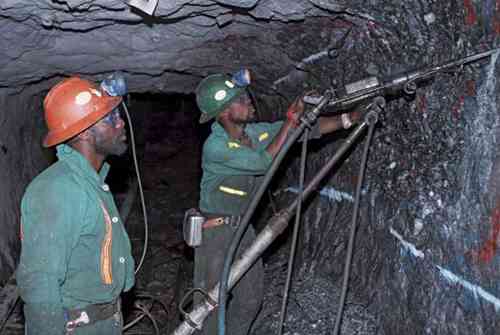
Zimbabwe’s mining sector exemplifies the stakes. In 2020, the country exported 31.9 tonnes of gold worth about US$1.8 billion. Yet experts estimate that refining and processing the gold domestically could have generated substantially higher earnings. The same pattern exists in agriculture: Zimbabwe exported 220,000 tonnes of tobacco in 2020, worth roughly US$600 million. Had that tobacco been processed into finished products such as cigarettes, the value could have increased several fold.
Muduvuri envisions a Zimbabwe that becomes a regional hub for high-value products—one that creates employment, generates wealth, and uplifts marginalized communities. “With the right policies and investments, Zimbabwe can easily become a developed country, and the livelihoods of People With Disabilities will be transformed for the better,” he says.
The government has already begun shifting in this direction, rolling out incentives for companies that invest in value-added industries and prioritizing local beneficiation across mining and agriculture. Policymakers view value addition as central to the country’s long-term economic strategy.
As Zimbabwe moves forward, it is clear that value addition will be a driving force in reshaping the economy and improving living standards. With leaders like Jimayi Muduvuri championing inclusive development—and with government support gaining momentum—the future holds extraordinary promise for Zimbabwe.