
Government Greenlights 600MW Kariba Floating Solar Power Plant to Ease Power Shortages
Zimbabwe is set to begin construction of a 600MW Kariba Floating Solar Power Plant in the second quarter of 2026, marking a major step toward boosting national electricity generation and strengthening energy security.
The country continues to grapple with severe power shortages driven by recurring droughts that limit hydropower generation at Kariba Dam, ageing thermal power infrastructure at Hwange, underinvestment in new energy projects, and growing demand. The result has been prolonged load shedding, disruptions to industry, and an estimated 6% loss to national GDP.
The government has, in recent years, approved several initiatives to expand generation capacity, and the latest project, announced during Tuesday’s post-cabinet briefing, adds another opportunity to stabilise supply.
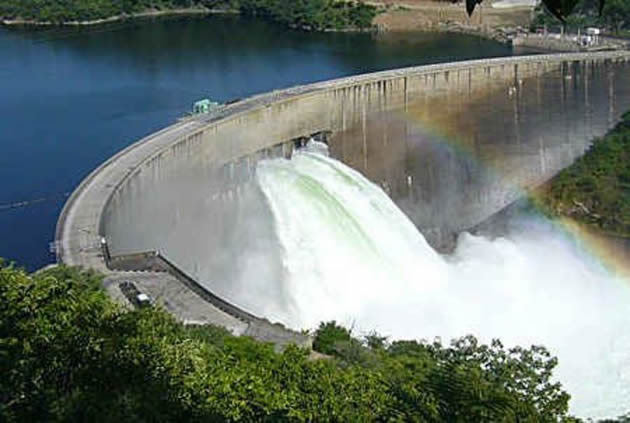
“The Kariba Floating Solar Power Plant is an initiative to generate 600 megawatts on Lake Kariba through private sector investment. The solar power generation is meant to augment hydropower supplies from Kariba Power Station, which has encountered fluctuations due to recurring hydrological constraints and declining lake levels,” said Information Minister Jenfan Muswere.
Government says the project will preserve water during the day by using solar to meet demand, allowing more water to be stored for hydropower generation at night. This is expected to help stabilise output, enhance climate resilience and ensure the long-term sustainability of the Kariba power system.
“The 600 megawatts project will be implemented in three phases over a five-year period, starting with 150 megawatts. Phase 1 will commence during the second quarter of 2026,” Muswere said.
Market data shows the broader Kariba Solar initiative aims to develop a large-scale floating photovoltaic farm on Lake Kariba that could eventually reach 1GW in capacity. The project will be rolled out in phases, beginning with a pilot stage targeting industrial users. *NewZW*


