
Long-term IPV fuels mental health crisis
By Rachel Murondi
Long term intimate partner violence is emerging as a serious and under-acknowledged driver of mental health problems, with experts warning that survivors often carry deep psychological scars long after the abuse has stopped.
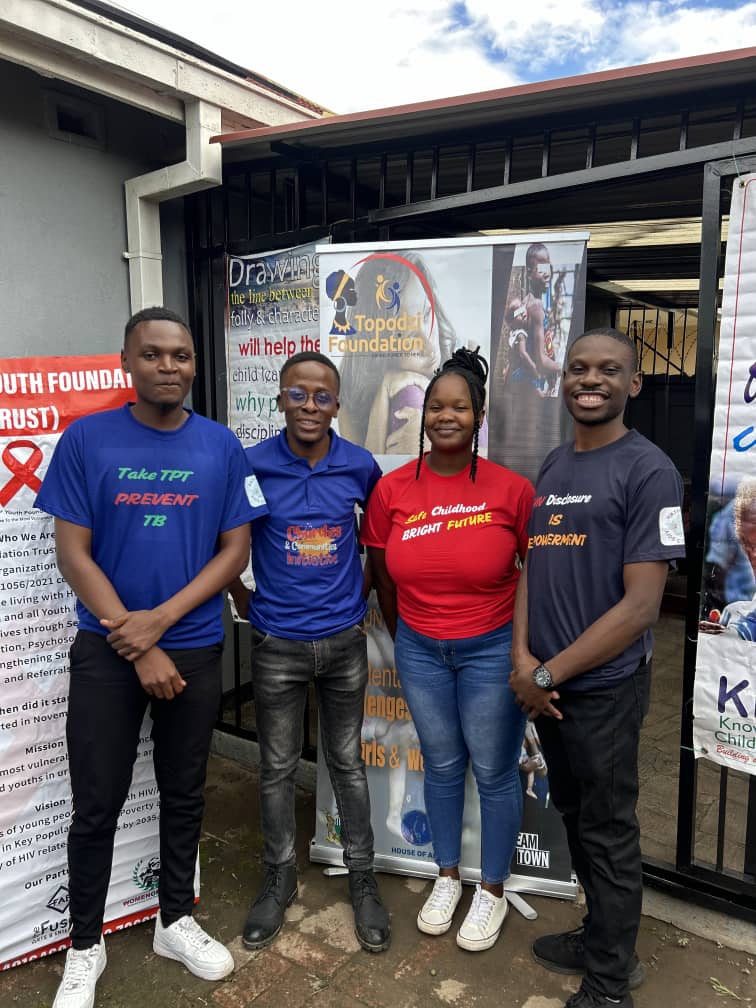
In an interview recently on the sidelines of a four-day Gender-Based and Intimate Partner Violence Prevention Awareness Training, Action for Youth Foundation Trust (AYFT) Executive Director, Mr Marvin Musekiwa said intimate partner violence (IPV) must be treated, not only as a social or criminal issue, but as a major public health concern with lasting consequences on emotional and psychological wellbeing.
“People tend to look at the bruises, the broken bones and the visible injuries, but the most dangerous wounds are often the ones we do not see. Long-term exposure to intimate partner violence damages the mind, and that damage can stay with a person for years,” said Mr Musekiwa.
He said prolonged abuse is closely linked to serious mental health conditions including post-traumatic stress disorder, depression, chronic anxiety and, in severe cases, psychosis.
Mr Musekiwa explained that survivors often struggle to function normally even after leaving abusive relationships.
“We have seen survivors who are no longer being beaten, but they are still living in fear, still reliving the trauma, still unable to sleep or trust anyone.
“The violence may have ended physically, but psychologically it is still happening every day,” he said.
Mr Musekiwa also noted that the mental health impact of IPV is frequently overlooked because public discourse tends to prioritise physical harm.
As a result, many survivors suffer in silence, fearing stigma, retaliation or being blamed for their situation.
“There is a culture that teaches people to endure suffering in relationships, especially young women. That silence becomes very dangerous because untreated trauma does not disappear. It grows, it affects work, parenting, friendships and overall quality of life,” he said, warning that the consequences of intimate partner violence do not stop with the survivor.
Families and communities are also affected, particularly when children are exposed to violence at home.
“When children grow up watching violence as a way of resolving conflict, it shapes their understanding of relationships.
“They are more likely to experience emotional distress, behavioural problems, or repeat the same patterns later in life, either as victims or perpetrators,” Mr Musekiwa said, adding that the training was in response to the growing concern around youth exposure to gender-based and intimate partner violence and that it targeted young people across different communities.
“This initiative was designed to go beyond awareness slogans and focus on practical understanding and prevention.
“We want young people to clearly understand what violence looks like, including emotional and psychological abuse, not just physical assault.
“Many harmful behaviours are normalised, yet they are deeply damaging to mental health,” he said, adding that a key component of the fight against IPV should be addressing the link between violence and mental health.
“We deliberately need to connect violence to mental wellbeing.
“Young people need to understand that anxiety, depression and trauma do not come from nowhere. Abuse plays a major role, and seeking help early can prevent long-term damage,” he said.
Mr Musekiwa stressed that protecting mental health should never come second to maintaining a relationship, regardless of social pressure.
“No relationship is worth your mental breakdown.
“Staying in a harmful relationship for the sake of appearances, children or fear of judgement is not strength.
“Real strength is choosing safety, healing and support,” he said, further stressing that young people have a critical role to play in preventing intimate partner violence and changing attitudes within communities.
“Young people are not just victims or beneficiaries of programmes. They are powerful agents of change. When they are informed and confident, they can challenge toxic behaviours and create safer spaces for themselves and others.
“As young people and standing for young people, we continue to call for stronger mental health support systems that are survivor-centred, accessible and stigma-free.
“This is because addressing intimate partner violence requires collaboration between communities, institutions, health services and policymakers.
“We cannot separate violence from mental health.
“If we want healthier communities, we must deal with both the root causes of abuse and the psychological harm it leaves behind,” he said.