
Government curbs luxury vehicle purchases, tightens foreign travel
The Government has moved to cut the procurement of luxury vehicles and reduce excessive foreign travel by public officials under new sweeping cost-containment measures aimed at easing pressure on the National Budget and redirecting resources towards critical national priorities.
The directive, outlined under the Expenditure Rationalisation pillar of the National Development Strategy 2 (NDS2), will see strict controls being placed on the acquisition of Government vehicles and tighter regulation of foreign trips.
It is aimed at easing pressure on Treasury by freeing up funds for key sectors such as healthcare, education, infrastructure and social services.
The directive also signals the tightening of fiscal discipline by the Government as it moves to eliminate wasteful spending and improve the efficiency of public resource utilisation.
Over the next five years, the Government says it will adopt firm measures to reduce unnecessary and non-essential expenditure, with luxury vehicles and frequent foreign travel identified as major cost drivers that place an unsustainable burden on the fiscus.
“During NDS 2, Government will adopt measures to reduce unnecessary and wasteful public expenditure through significantly curtailing spending on non-essential items such as procurement of luxury vehicles and excessive foreign travel by Government officials,” reads the policy document.
“Government recognises that such expenditures place an unsustainable burden on the National Budget and divert resources away from critical areas such as healthcare, education, infrastructure and social services.”
As part of the reforms, new guidelines will be developed to limit the acquisition of Government vehicles to those essential for national development.
“As such, strict guidelines will be implemented to limit the acquisition of Government vehicles to only those essential for service delivery.
“Similarly, foreign travel will be strictly regulated and authorised only when it directly contributes to national development priorities.”
The measures are also intended to strengthen transparency, accountability and responsible use of public funds, while promoting a culture of discipline across all levels of Government.
Through the measures, the Government aims to redirect savings towards programmes that improve the quality of life for Zimbabweans and support economic growth.
“By prioritising efficiency and eliminating wasteful spending, Government aims to redirect savings towards programmes that directly benefit the people of Zimbabwe and support inclusive economic growth,” reads the NDS2.
“The success of these reforms depends on collective discipline and commitment across all levels of Government and all public officials will be called upon to lead by example and support these necessary adjustments as we work together to build a stronger and more self-reliant nation.”
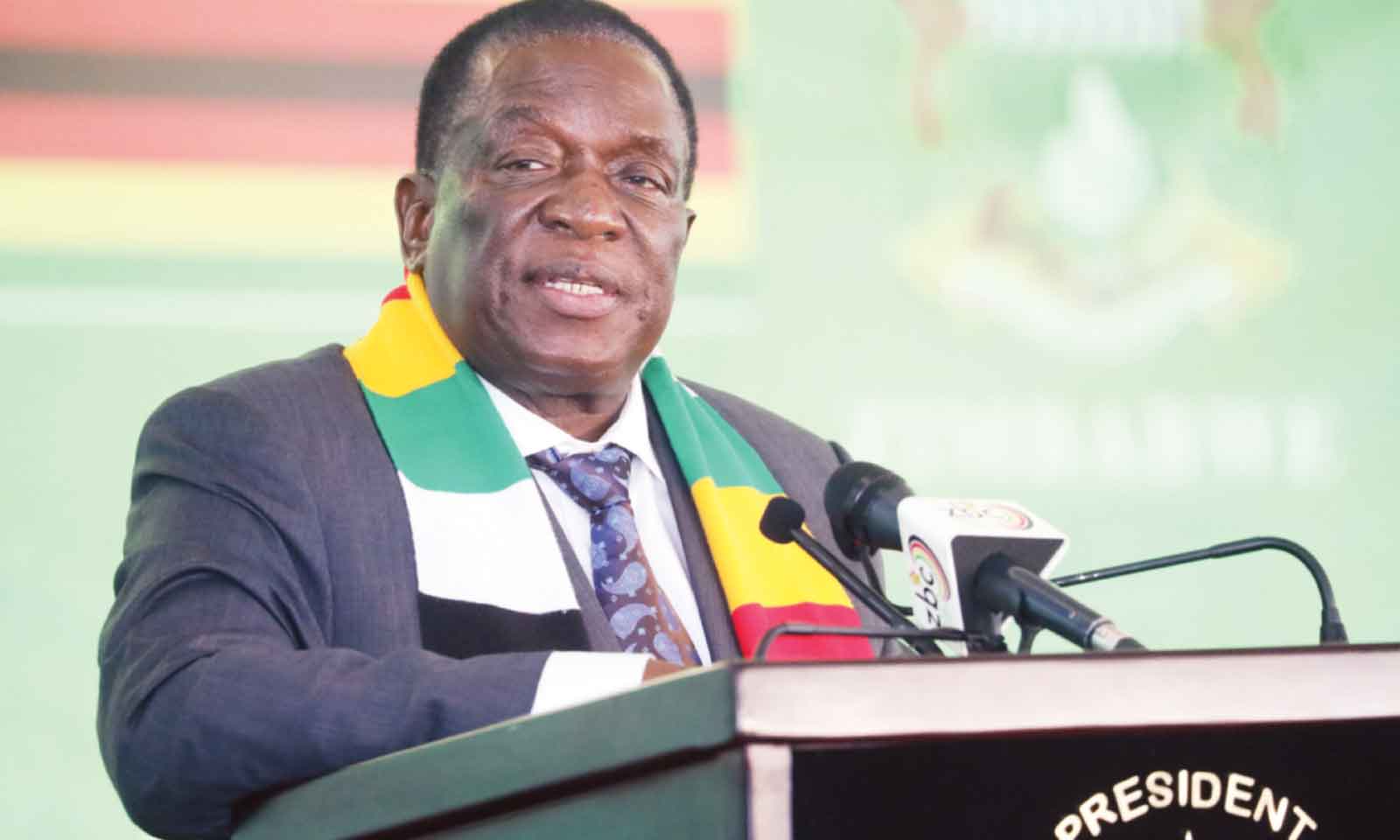
The expenditure reforms build on President Mnangagwa’s earlier directive to Cabinet Ministers and Permanent Secretaries following his re-election in 2023, in which he restricted unnecessary foreign travel and insisted that only trips aligned with Zimbabwe’s national priorities and Vision 2030 would be sanctioned.
Addressing the first Cabinet meeting after his election victory, President Mnangagwa said no Minister and Permanent Secretary would be allowed to be out of the country at the same time, warning that such absences disrupt service delivery and Government business.
“All members remain guided by the relevant circular on foreign travel,” said the President.
“In this regard, no Minister and Permanent Secretary can both be out of the country at the same time, as this has negative implications on service delivery and general Government business.
“Further, travel outside the country will be strictly limited to those programmes which are of strategic importance and contribute to our country’s national priorities.”
The President stressed that Government policies, programmes and projects must remain people-centred and focused on improving the quality of life of citizens, while accelerating production and productivity across all sectors of the economy.
“As the Executive arm of Government, our policies, programmes and projects should remain people-centred for an improved quality of life for all our people.
“Production and productivity across all sectors must be accelerated.
“All projects and programmes embarked on during the first term of the Second Republic should be completed speedily. This calls for hard work and focus from all of you,” he said.