
ZMC sharpens media’s lens on the climate crisis
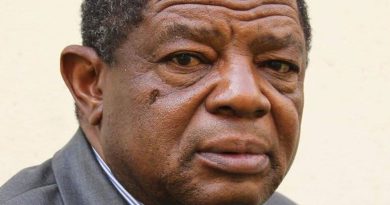
ZMC acting Executive Secretary Nyaradzo Makombe Hazangwi
By Admire Chitsungo
The Zimbabwe Media Commission (ZMC) has intensified efforts to strengthen climate journalism after convening a Climate Change Reporting and Manual Validation Workshop in Kadoma, equipping media practitioners with the tools and technical language needed to accurately report on the fast-evolving climate emergency.
Held as part of the Commission’s stakeholder engagement drive, the workshop brought together journalists, and development communicators to interrogate the newly developed Draft Climate Change Reporting Manual , a resource designed to enhance climate literacy and improve evidence-based storytelling.
Framed around climate science fundamentals, mitigation and adaptation strategies, the manual contextualises global warming trends within Zimbabwe’s lived realities, including erratic rainfall patterns, prolonged dry spells, heatwaves and shifting agro-ecological zones. Participants explored how these climate stressors are disrupting food systems, water security and rural livelihoods, while amplifying vulnerability among women, children and marginalised communities.
Speaking during the session, Tariro Shoniwa, Research, Training and Development Manager, said the document was crafted to bridge the knowledge gap between scientific data and public understanding.
“The Climate Change Reporting Manual is designed to build the capacity of media practitioners by providing a foundational understanding of climate science, its tangible impacts, and potential solutions,” she said. “It trains journalists to report with clarity, justice and accountability, translating complex technical information into accessible stories while highlighting the disproportionate burden borne by vulnerable communities.”
Shoniwa added that the guide encourages systematic fact-checking, rejection of falsehoods and avoidance of sensationalism, noting that ethical reporting is critical in combating misinformation that often clouds climate discourse. “Our goal is journalism that promotes informed debate and constructive action in response to the climate crisis,” she said.
Acting Executive Secretary Nyaradzo Makombe Hazangwi described the validation exercise as part of a broader strategy to align the Commission’s programmes with industry needs.
“As part of our stakeholder engagement at the beginning of the year, we go around apprising partners of our strategic plan so that we move in sync,” she said. “Today we are here to validate the draft climate change manual. We need journalists to be well-versed in how to report climate change and explain these changes to the public. This validation ensures we have captured what our practitioners need to be capacitated on.”
Throughout the workshop, participants discussions emphasised the watchdog role of the media in scrutinising climate finance flows, monitoring the implementation of national climate policies and amplifying grassroots voices from affected communities.
For local journalists, the training marked a practical step toward strengthening environmental beats that are increasingly central to national development reporting.
Kadoma-based reporter Pritchard Mujaja welcomed the initiative, saying the programme had sharpened their technical capacity and confidence.
“These workshops leave us better equipped and ready to tackle climate change stories with depth and accuracy,” he said. “We can now interpret data, question policies and explain impacts in ways communities understand.”
As Zimbabwe continues to experience intensifying climate variability, the Commission’s intervention signals a recognition that credible, science-driven journalism is essential for raising awareness, influencing policy and building resilience. By empowering reporters with specialised knowledge and ethical standards, the ZMC is positioning the media as a critical player in the country’s climate adaptation and sustainable development agenda.