
‘Who owns Impi yamataxi?’. . .Inside the explosive turf war tearing Bulawayo’s taxi culture apart
WHAT began as a vibrant, good-natured celebration of commuter omnibus culture and youth upliftment has curdled into a bitter, emotionally charged feud — one steeped in bruised egos, contested creativity, and a tug of war over ownership that now feels as dramatic as the taxi rank chaos it once hoped to honour. What should have been a unifying force has instead spiralled into a public spectacle, rich with accusation, counter accusation, and all the tension of a soap opera cliff-hanger.
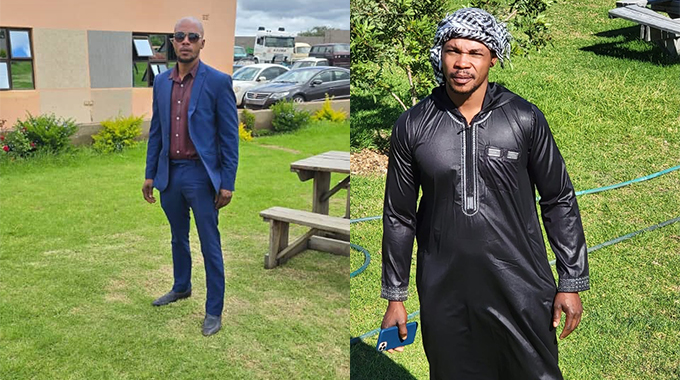
At the blazing centre of this dispute sits “Impi yamataxi” #UmdlaloWamanzi, a concept now tugged at from opposite ends by two camps determined to claim its soul. On one side stands Kruger’s Chillspot and Bar in Pumula South, represented by Kruger and Sanele “Sancho” Vuyelwa Mnetwa.
On the other, the combative and creative Nkompon’ Kulture Entertainment, led by the duo of Duncant Tshuma and Arthur Musiyiwa. Accusations now fly like gravel under speeding tyres — bullying, theft, cyber harassment, even police intervention — leaving one glaring question dancing in the dust: Who truly owns Impi yamataxi?
The inaugural “Impi yamataxi” #UmdlaloWamanzi event burst onto the scene on 3 November last year at Kruger’s Chillspot and Bar. It was marketed as a salute to the unsung heroes of Zimbabwe’s bustling commuter culture — the omnipresent taxi operators who keep the nation moving — and as a rallying cry to steer young people away from the shadows of drug and substance abuse. For a moment, it shimmered with promise. But that shine was heartbreakingly short-lived.
Nkompon’ Kulture Entertainment insists, with an air of wounded pride, that the entire concept was theirs from the first spark of inspiration.
Tshuma paints a portrait of opportunism dressed as partnership, alleging that Kruger and Sancho used their authority as venue hosts to muscle their way into ownership of a brand they did not create.
“We conceptualised Impi yamataxi #UmdlaloWamanzi. After the success of Part 1 at their venue, they simply pushed us out. Now, without any consultation or acknowledgement, they are curating ‘Impi yamataxi’ Part 2 on April 4, using our idea and our tagline,” Tshuma insisted.
His frustration spills over, raw and unfiltered. “It’s classic bullying. They saw the potential and decided they wanted it all for themselves, disregarding our creativity and effort,” Tshuma continued.
But the dispute is not confined to artistic ownership — it slithers into the uneasy territory of money, respect, and wounded dignity. According to Tshuma, their contributions were undervalued, their voices dismissed, and their attempts at financial transparency repeatedly stonewalled.
“The last time, Kruger didn’t pay us anywhere near enough for the work we put in. Whenever we try to discuss finances properly, it’s impossible. He disrespects us, dismisses our concerns, and literally walks out of the room. How can you build a partnership like that?” Tshuma stated bluntly.
And then, the darkest twist: intimidation.
“Kruger has threatened us. He told us point-blank that he would use his financial muscle to ‘fix’ us. That’s not just unprofessional; it’s frightening. It shows a complete disregard for fair play or partnership,” Tshuma claimed.
The allegation hangs heavy, painting a grim picture of a partnership poisoned beyond repair.
To Nkompon’ Kulture, Kruger’s justification for ownership is laughable at best.
“Ownership isn’t determined by the venue. If you host a wedding at a hall, does the hall owner then claim they invented weddings? It’s nonsensical and a blatant attempt to justify stealing our intellectual property,” argued Musiyiwa.
But Kruger, fiery and uncompromising, rejects every claim with the force of a slammed door.
“Tshuma is a liar,” Kruger stated categorically. He insists Tshuma’s initial involvement was not collaborative but charitable. “He came begging for help promoting his Nkompon’ Kulture apparel. Out of goodwill, I allowed him to set up a stall and sell his merchandise at the November event. That’s the extent of his initial involvement.”
Kruger’s counter-narrative swirls around ticket sales — numbers he says reveal deceit rather than creativity. He claims Nkompon’ Kulture agreed to sell 105 tickets . . . but sold 204 without disclosure and withheld his rightful share.
“They robbed me. They didn’t just fail to inform me about recruiting extra ticket sellers; they actively withheld the money owed from those extra sales. Their actions were deceitful and amounted to theft,” Kruger accused.
That alleged breach was, in his view, the final straw.
“I fired them immediately after that November gig. Their behaviour was unacceptable — breaching agreements, demanding payment they weren’t entitled to, and trying to retroactively frame the event as a collaboration when it was always my initiative hosted at my venue,” he declared.
And the crown jewel of Kruger’s stance is his personal connection to the taxi world.
“This idea came from me, from my own life experience. I was a former taxi fleet owner. ‘Impi yamataxi’ is my brainchild, born from that understanding of the industry and the culture. All they did was add the tagline ‘#UmdlaloWamanzi’ — that doesn’t make it theirs,” he said.
Kruger says the hostility has now spilled online, becoming relentless and toxic.
“Their campaign against me hasn’t stopped. Every time I post to promote my upcoming event, they swarm the comments, discrediting me and spreading lies. It’s relentless cyber-bullying. I’ve had no choice but to report them to the police,” he said.
Repeated attempts to reach Sancho proved futile; his phone remained stubbornly unreachable.
And so, the stage is set for “Impi yamataxi” Part 2 at Kruger’s Chillspot, while Nkompon’ Kulture fumes from the sidelines, still nursing the sting of what they see as theft — both creative and financial. Two sides, each convinced of their righteousness. Two stories, neither willing to yield. Two claims to a name now muddied by bitterness.
Meanwhile, the noble goal of celebrating taxi culture and uplifting vulnerable youth has been drowned out by the clashing thunder of personal wars and bruised egos. What was meant to unite now divides.
The fundamental question — “Who owns Impi yamataxi?” — rests uneasily in the middle of this narrative, stubborn and unresolved. Without contracts, without transparent accounting, without a formal framework, the truth is as slippery as oil on a garage floor. Did venue ownership naturally morph into brand ownership? Or did Nkompon’ Kulture truly birth the concept only to watch it slip away?
Until hard evidence emerges or legal intervention cuts through the fog, Impi yamataxi #UmdlaloWamanzi remains an idea caught between two parents, both adamant, neither willing to let go.
Its true parentage is, painfully, “neither here nor there” — lost in a dense haze of accusation and counter-accusation, leaving the community it sought to uplift stranded between two battling giants. Chronicle.