
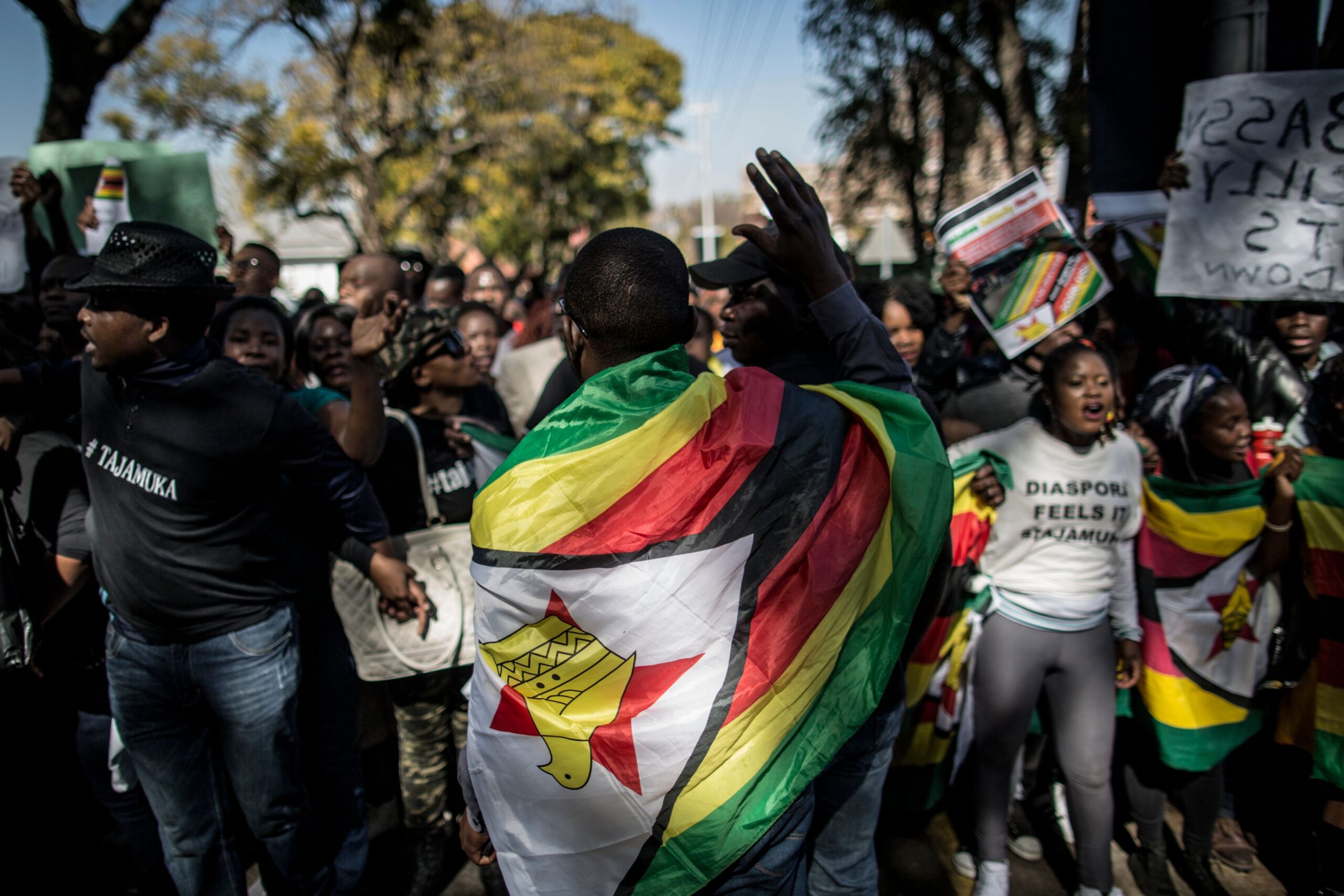
Zimbabweans in the diaspora march against CAB3 and repressive politics back home
Zimbabweans across the globe have demonstrated unprecedented defiance in response to what critics describe as a tightening grip by President Emmerson Mnangagwa’s leadership, marked by repressive legislative manoeuvres, the deployment of State apparatus, and alleged manipulation of the ongoing constitutional amendment process.
The controversy centres on the new Constitutional Amendment Number 3 Bill (CAB3), which among other things seeks to extend Mnangagwa’s term and alter the framework governing how the country’s leader is elected
In the United Kingdom, the spirit of resistance to the proposed bill was visibly alive despite harsh weather conditions after dozens of Zimbabweans travelled from various cities and spent the night in various hotels, preparing for what organisers called a major “March of Defiance” at Witton Park on Saturday.
More than 70 participants took part in the mobilisation, coordinated by Phylis Melody Magejo, Dickson Chikwizo, Vengai Mutsawu and Josephine
Sipiwe Jenje-Mudimbu, with the involvement of John Burke and his wife figures described by some government sources as alleged masterminds further intensifying political speculation surrounding the sponsorship.
During Saturday’s demonstration, observers described the atmosphere as reminiscent of a revolutionary movement, with participants braving rain and cold weather to make their voices heard. Chanting slogans against the
ruling establishment, marchers moved through towns and villages around Blackburn, in what organisers labelled a “Walk for Freedom.”
Participants framed the event as a peaceful expression of democratic rights, while critics portrayed it as a coordinated effort aimed at regime change.
Among those who attended and vowed to maintain a strong presence declaring that they were representing the voices of citizens currently being arrested in Zimbabwe for gathering to educate one another on the CAB3, “NO to 2030” and arbitrary arrests issues were Charles
Kanyimo, Cuthbert M. Chavinda, Sandra Sekai Chidemo, Prince Chidewu, Rumbidzai Thelma Chidewu, Shorai Chidewu, Francisca Chiduku, Justin Prince Chihurani, Elizabeth Chitengo, Tanyaradzwa Emily Daka, Melbar Dick, Kudzaishe Dodzo, Nobukhosi Dube, Samuel Jambaya, Evy Kagande, Gladys Kajawo, Desire Kunaka, Diana Machingauta, Pamela Magwizi, Herry Makambe, Blessing Tariro Makeyi, Genius K. Mamwadhu, Melissa Marewangepo, and Luckmore Masanzu.
Others were, Ruth Taisekwa Matipa, Melissa Mbavarira, Ettar Patience Mhlanga, Kelvin Thembinkosi Mhlanga, Francis Mubani, Dadirayi Mukwedeya, Felistas Waraidzo Munemo, Felicia Wadzani Munemo, Gladman Mundingi, Rhoda Munthali, Jenatry Chihota Muranganwa, Mollin Muteto, Sonboy Gwatevera, Happiness Ncube, Patricia Ncube, Nolanga Evangelista Ndlovu, Dumisani Nyathi, Michelle Rwaringa, Victor Simon, Xoliso Sithole, Khomeredzi Boniface Zengeni, Petty Ziramba, Ziwanayi Benson Mbanje, Mbongeni, Murling, Moses Mbano, Chakodza, Munyaradzi Cuthbert Chavinda, Grace Chipazura, Dylan Muriha and Elizabeth Musonza.
Participants said their presence symbolised solidarity with Zimbabweans back home who, according to activists, face intimidation and arrest for civic education efforts. Many at the march argued that diaspora mobilisation was necessary to amplify suppressed voices and ensure global attention on constitutional developments back home.
Mnangagwa’s regime is reportedly rattled by the diaspora defiance against CAB3 and is sniffing information about who is funding the protests.
“The regime has raised questions about the logistics of the demonstration, including who funded hotel accommodation, food supplies and transport for participants,” a source said.
Photographs circulating online showing a notable presence of young Zimbabweans, have fuelled concerns within government circles about growing diaspora activism.
Further allegations from these sources pointed to involvement by various opposition-linked groups, including Citizens Coalition for Change (CCC) Manchester led by Thomas Machingauta, unidentified Constitution Defenders Forum (CDF) organisers, ROHR and the Zimbabwe Human Rights Organisation (ZHRO), which some officials labelled as a central coordinating force. These claims remain contested, with activists insisting the march was independently organised and funded through community contributions.
The standoff between activists and authorities appears to be intensifying. Government insiders said that officials are closely monitoring diaspora movements and gathering intelligence on participants and their motives.
“Gloves and swords are drawn on both fronts,” one source remarked, underscoring the increasingly confrontational tone.
Meanwhile, warnings have emerged that authorities in Zimbabwe are considering legal action against individuals accused of collaborating with foreign actors to oppose the constitutional changes.
Critics argue that such measures would further shrink democratic space, while government supporters maintain they are necessary to protect national sovereignty.
As tensions rise, the unfolding situation signals a deepening divide between Zimbabwe’s leadership and sections of its diaspora.
Whether this wave of activism will influence political developments at home remains uncertain. For now, Zimbabwe watches as the diaspora’s defiance grows louder, the call for constitutional accountability intensifies, and the political temperature continues to rise. *_-NewZimbabwe_*