
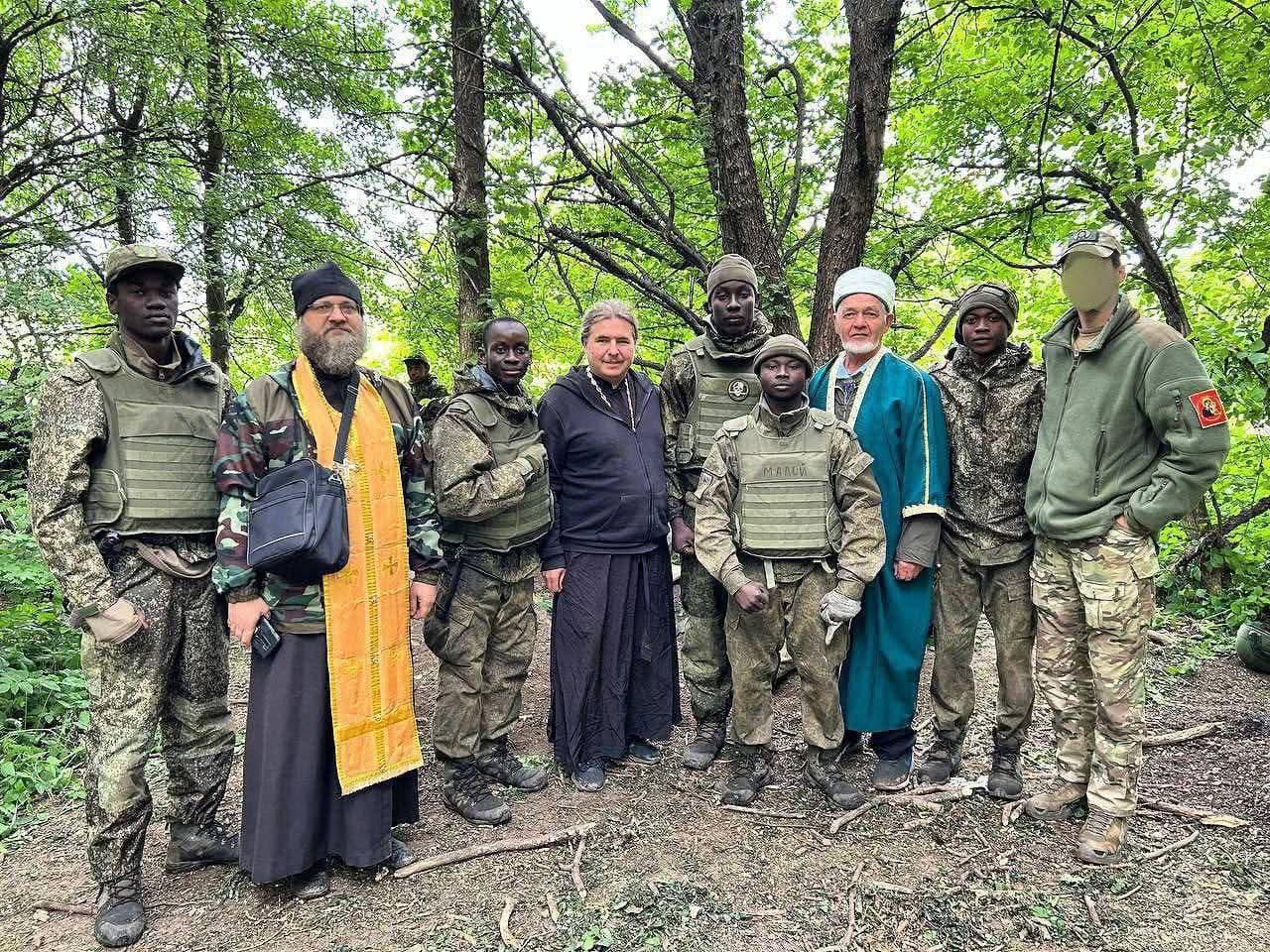
Two Zimbabweans Injured In Russia-Ukraine War Arrested At Airport While Trying To Escape From A Hospital
Two Zimbabweans injured while fighting in the Russia-Ukraine war were arrested at a Moscow airport after reportedly escaping from a hospital where they were receiving treatment, as the number of locals caught in the conflict continues to raise alarm.
The two Zimbabweans had allegedly been hospitalised in Moscow after being injured on the frontlines. However, they reportedly fled the medical facility and attempted to leave Russia before being arrested at the airport. Their current whereabouts remain unknown.
Journalist and founder of CITE Zimbabwe, Zenzele Ndebele, whose organisation has been investigating and exposing networks luring Zimbabweans into the war, shared the development on 6 April 2026.
Introducing the development, Ndebele wrote:
“Two Zimbabweans who were hospitalised in Moscow after being injured on the frontlines reportedly escaped from the facility and were later arrested at a Moscow airport. It remains unclear what they intended to do, as they did not have passports. Their current whereabouts are unknown, according to multiple sources.”
The development comes as CITE Zimbabwe continues to document recruitment networks allegedly luring Zimbabweans with promises of lucrative employment opportunities abroad before deploying them to the battlefield.
Zimbabwe Says Only 4 Bodies Can Be Returned As Russia War Death Toll Rises To 18
Nick Mangwana (Image: The Herald)
Death Toll Rises As Zimbabweans Remain Trapped
The arrest of the two injured Zimbabweans comes days after the government confirmed that more Zimbabweans had died in the conflict.
On 31 March 2026, Permanent Secretary for Information, Publicity and Broadcasting Services, Nick Mangwana, revealed that the death toll had risen to 18 Zimbabweans.
Posting on X on 31 March 2026, Mangwana said:
“TRAFFICKED TO BE A FOREIGN FIGHTER
The number of Zimbabweans killed in a foreign conflict is now 18. The State is seized with the repatriation of only 4 of those as there are issues around the documentation around the others.”
The update came just days after Information Minister Zhemu Soda confirmed on 25 March 2026 that 15 Zimbabweans had died while 66 others remained trapped in the conflict zone.
Speaking in Harare on 25 March 2026, Soda said:
“Fifteen Zimbabweans have died while fighting on the Russian side in the Russia-Ukraine conflict. Sixty-six others remain in the conflict zone, and government is actively working on their return.”
He also confirmed that authorities were working to repatriate bodies and assist survivors.
“We are also engaging relevant stakeholders to facilitate the safe return of Zimbabwean nationals who are still alive.”
Zimbabweans Lured With Promises Of Jobs
Investigations published by CITE revealed that Zimbabweans were being recruited through WhatsApp groups and intermediaries offering lucrative jobs.
However, many recruits reportedly found themselves deployed to active combat zones after minimal training.
One Zimbabwean recruit told investigators:
“We are not soldiers. We were trained how to carry supplies and heavy duty things while climbing mountains. Our job is dangerous because we carry stuff like benzines, bombs, and equipment that is needed in the front.”
Another recruit pleaded for help:
“We need help urgently to come back home. The way we went to come here was not what we were told.”
Reports also indicated that passports were sometimes confiscated upon arrival.
“When they reach the front line, they take their passport and only promise to give it back after a year,” a source revealed.
Others complained that payments were lower than promised.
“They said I will be paid R55 000 per month but in January I received R11 000 and in February R31 000,” one recruit said.
The arrest of the two injured Zimbabweans attempting to flee Russia now adds to growing concerns that some recruits may be trying to escape the conflict after discovering tThe reality on the ground.
At the time of publishing, their identities and current location remain unknown.