
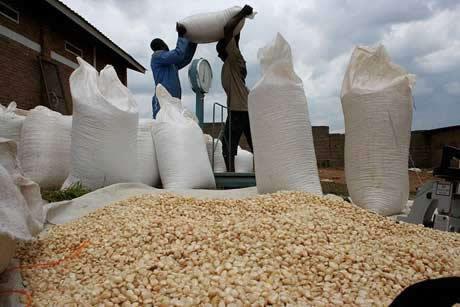
600,000-tonne grain reserve, drought insurance as Zimbabwe braces for El Niño
TREASURY is building a 600,000-metric-tonne strategic grain reserve and plans to purchase drought insurance to protect vulnerable households as Zimbabwe faces a forecast El Niño drought, with the government projecting slower economic growth in 2027.
Finance Minister Mthuli Ncube, responding to a question from NewZimbabwe.com at the ongoing 2027 National Pre-Budget Seminar in Bulawayo on Wednesday, said economic growth was projected at 5% this year before slowing to 3.5% in 2027.
“The growth for this year, the projection is 5%. And then the projected growth into 2027 is 3.5%. It is 3.5%, lower than 5% because of the El Niño phenomenon,” Ncube said.
The minister said the government was preparing to cushion vulnerable households against the effects of the anticipated drought by increasing grain stocks to ensure adequate food supplies.
“Yes, we have made preparations to support the vulnerable because of this El Niño phenomenon in terms of our grain acquisition. We’re building our grain stocks to 600,000 metric tons of grain to support our vulnerable citizens because of the drought,” Ncube said.
He added that the government was approaching the halfway mark in its grain acquisition programme and would continue building reserves.
“As I speak, we are close to halfway through and we will keep going.”
Ncube said Treasury had also created a fiscal cushion in the current and upcoming budgets to finance food procurement should the need arise.
“Secondly, we also have a bit from this year’s budget but also part of next year’s budget to build again a cushion that we will utilise for acquisition of any food requirements for our citizens.”
The government has also set aside resources for the Food for Work programme, which supports rural families through productive social protection initiatives.
“But also part of the support will go towards the Food for Work programme who are supporting families in the rural areas with this productive social protection programme. Again, we’ve set aside adequate resources for that,” said Ncube.
In addition to grain reserves and food assistance, the government plans to purchase drought insurance that would provide funds for cash transfers to vulnerable households when drought occurs.
“We are also going to buy some insurance, which we’ll pay once the drought occurs and then we’re able to distribute that to vulnerable citizens and households as cash transfers and so forth,” he said.
“So we are doing quite a bit in terms of supporting potentially vulnerable families.” _*NewZimbabwe*_