“I am a victim too” — Another woman speaks out in emotional interview alleging abuse by Eubert Angel
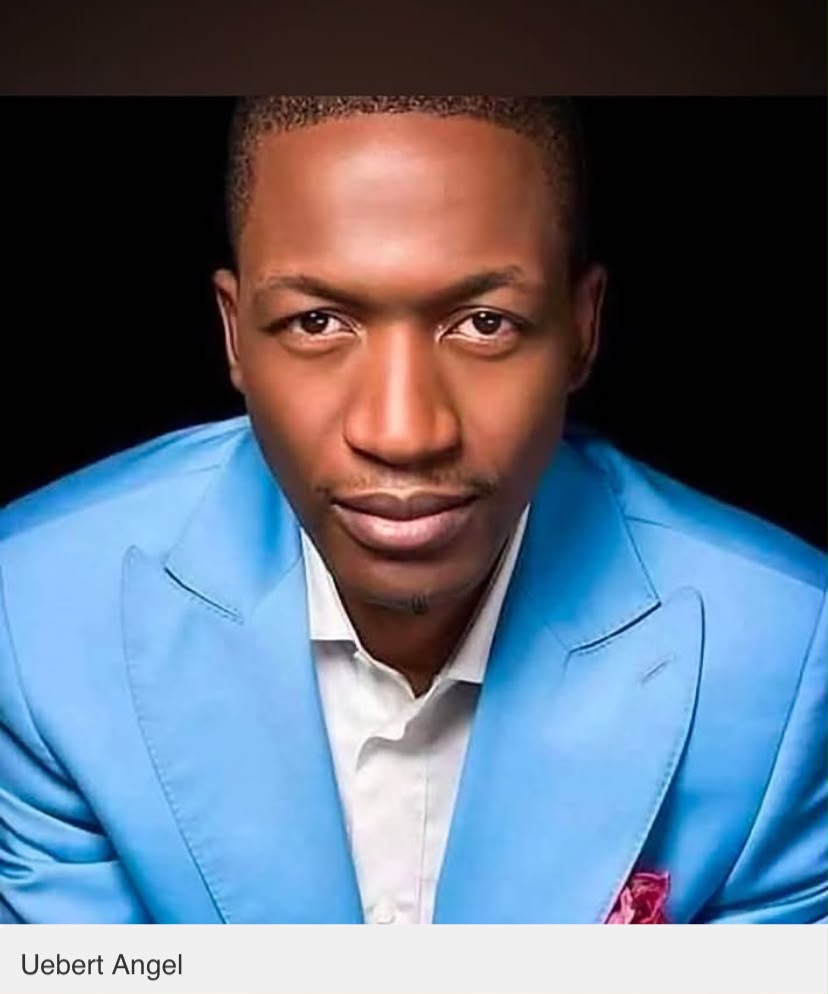
A woman has come forward in a widely-shared online interview to allege that she was sexually abused as a teenager by religious leader Uebert Angel, in a testimony that has sparked fierce debate across social media in Zimbabwe.
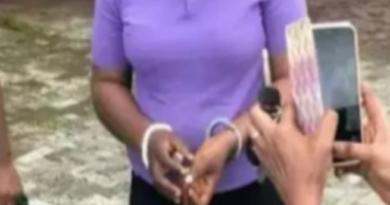
The interview, titled “I AM A VICTIM TOO – AN INTERVIEW WITH ANOTHER ALLEGED VICTIM OF RAPE,” was aired on the platform Tafadzwa’s Insights on 24 November 2026.
In the interview, the woman — whose identity is protected in the broadcast — recounts a childhood marked by instability and neglect.
She says her parents divorced when she was seven years old, a turning point that left her feeling abandoned and without consistent care at home.
Searching for safety, belonging and community, she says she began attending the pastor’s church at around the age of 15. She describes becoming deeply involved in church life, viewing the congregation as a refuge from her troubled home situation.
It was in that setting, she alleges, that she was later sexually abused by the church leader.
“It was supposed to be the safest place,” she says in the interview, describing the confusion and trauma of seeking protection in church and allegedly finding harm instead. She reflects on years of questioning why it happened to her when she was still a child.
The tone of the interview is sombre and testimonial, focused less on sensational detail and more on the psychological impact she says the alleged abuse has had on her life.
*A divided public response*
As with previous allegations of this nature, the interview has polarised viewers.
In the comments section, some viewers expressed support for the woman, arguing that delayed disclosure is common in cases of alleged sexual abuse, particularly where there is a power imbalance between a religious leader and a young congregant. Supporters pointed to fear, shame, and a culture of protecting church leaders as reasons why victims may only speak years later.
Others expressed scepticism, questioning the timing of the testimony and calling for the matter to be reported to police so it can be investigated through formal channels. Some questioned details of her account, while others suggested the claims were politically motivated.
Several commenters also linked the discussion to wider questions about power, politics and accountability in Zimbabwean churches, with repeated calls for proper investigation rather than trial by social media.
*Allegations remain unproven*
It is important to note that the claims made in the interview are allegations. They have not been tested in a court of law, and Uebert Angel has not been convicted of any offence in connection with this testimony.
No police report or court documents relating to this specific account were presented in the video.
The interviewer did not present independent verification of the claims, and this article does not present them as established facts.
*A broader conversation*
Beyond the specific allegations, the interview has reignited a broader conversation in Zimbabwe about the protection of children and vulnerable young people in religious spaces.
Child protection advocates have long warned that churches, schools and other trusted institutions must have clear safeguarding policies, safe reporting channels, and accountability for leaders in positions of authority.
For now, the interview stands as one woman’s account — one she says she shared in the hope of being heard, and in solidarity with others who say they have had similar experiences.
If you or someone you know has experienced sexual abuse, contact your nearest police station, hospital, or a trusted support organisation for help.
_Editor’s Note: This article is based solely on the contents of the interview as broadcast on Tafadzwa’s Insights. Names have been withheld to protect the privacy of the alleged victim._