“The system is failing our children” — Chiredzi MP blasts government over poor rural ZIMSEC results
Ropafadzo Makumire, the Member of Parliament for Chiredzi Central Constituency, has raised alarm over the continued poor performance of rural learners in ZIMSEC O-Level and A-Level examinations, saying the education system is failing students in marginalized communities.
Speaking in Parliament this week, Hon. Makumire said the persistent low pass rates in most rural schools are not a reflection of learners’ abilities, but rather the result of systemic challenges.
“This week in Parliament, I raised serious concern over the continued poor ZIMSEC O-Level and A-Level results in most of our rural schools,” he said.
Makumire emphasized that rural learners possess intelligence and ambition equal to their urban counterparts, but are being disadvantaged by inadequate resources.
“Let us be honest, our rural learners are not failing because they lack intelligence or ambition. They are failing because the system is failing them,” he said.
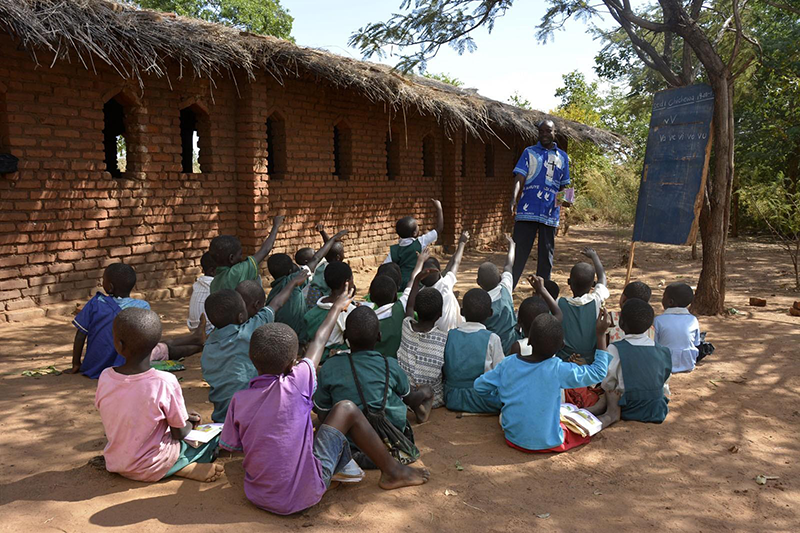
He highlighted that many rural schools operate without adequate textbooks, functional science laboratories, libraries, or reliable electricity. In some cases, several students are forced to share a single textbook, making effective learning nearly impossible.
“Practical subjects like Chemistry, Physics, and Computer Science suffer the most due to lack of equipment,” he noted.
The legislator also pointed to the ongoing shortage of qualified teachers in rural areas.
According to Makumire, many experienced educators leave due to poor accommodation, limited incentives, and challenging working conditions.
“Teacher shortages remain a major challenge. Qualified and experienced teachers often leave rural areas due to poor accommodation, limited incentives, and difficult working conditions.
The result? Learners are left with overstretched or underqualified staff, and their results suffer,” he said.
Infrastructure deficits were also cited as a significant barrier to academic success. Makumire said some schools still operate with dilapidated classrooms, poor sanitation facilities, and no access to clean water. In addition, learners often walk long distances — sometimes more than 10 kilometres — to attend school.
He added that poverty continues to burden families who struggle to pay examination fees, purchase uniforms, and secure basic learning materials, while government support remains inconsistent.
“Education is a right, not a privilege for those in urban areas,” Makumire declared. Calling for decisive government intervention, the Chiredzi Central MP urged authorities to deliberately invest in rural schools to bridge the gap. He proposed improving infrastructure, providing teacher incentives, ensuring adequate learning materials, expanding digital access, increasing budget allocations, and paying all outstanding BEAM funds.
“If we are serious about national development, we must invest deliberately in rural schools,” he said.
Makumire’s remarks have added to growing calls for reforms aimed at ensuring equal educational opportunities for learners across Zimbabwe, regardless of geographic location. *_-ZimEye_*