
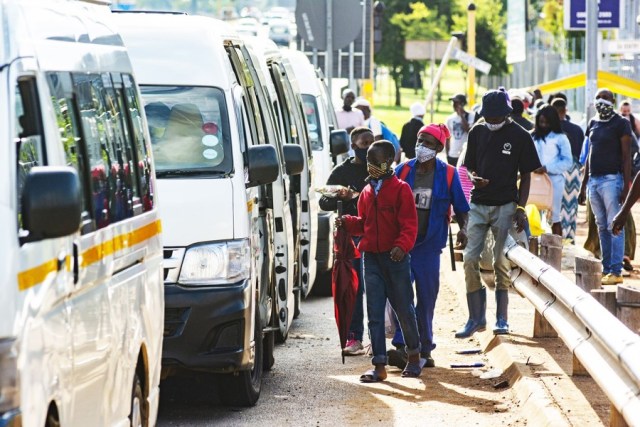
Passengers Stranded As Kombies Raise Fares
Commuters in Harare and other cities were Monday shocked and stranded after omnibus operators increased fares following the latest fuel price hikes, piling further pressure on passengers already struggling with the rising cost of living.
The increases come after the Zimbabwe Energy Regulatory Authority (ZERA) announced new fuel prices last week. ZERA raised the maximum pump price of petrol (Blend E5) to US$1.71 per litre, up from US$1.56, while diesel increased to US$1.77 per litre, from US$1.52.
Diesel powers most of the country’s commuter omnibuses, freight trucks, mining equipment and agricultural machinery, meaning its price has a direct impact on public transport fares and the broader cost of goods and services.
According to ZERA, government intervention prevented even steeper increases. Without the intervention, the authority said diesel would have cost US$1.90 per litre, while petrol would have reached US$1.81 per litre.
However, the price adjustments have already triggered fare increases by kombi operators who say the higher fuel costs have made it impossible to maintain previous charges.
On several routes in major cities, commuters are now paying significantly more for daily travel. In Harare, a trip from the city centre to Zvido Shopping Centre in Chitungwiza has increased from US$1.50 to US$2. In Bulawayo, kombis travelling from the city centre to high-density suburbs such as Luveve and Mahatshula are now charging US$1, up from 50 cents.
For many Zimbabweans who rely on public transport to get to work, school and markets, the fare hikes are another blow in an economy that has struggled with instability and declining purchasing power.
Since the 2017 military-assisted removal of former President Robert Mugabe, which brought President Emmerson Mnangagwa to power on promises of economic reform and a “new dispensation,” many citizens say living conditions have continued to deteriorate. Zimbabwe has experienced recurring fuel price volatility, currency instability, and persistent inflation, factors that have repeatedly pushed up transport costs and the prices of basic goods.
Public transport operators argue that fare increases are unavoidable given the rising cost of fuel and vehicle maintenance, most of which is priced in foreign currency.
However, commuters fear the increases could become permanent. Many point out that when fuel prices previously stabilised or declined, kombi operators rarely reduced fares.
“I have to travel to work every day, and transport is now taking a huge portion of my salary,” said one Harare commuter. “Even if fuel prices go down, the fares usually stay the same.”
With wages largely stagnant and the cost of basic commodities continuing to rise, transport costs are becoming an increasingly heavy burden for urban households. Observers say the situation reflects broader structural economic challenges that the government has struggled to address nearly a decade after the political transition that raised hopes for economic recovery.