
Climate Shocks: The Silent HIV Multiplier
By Kudzai Jakachira
In the sun-scorched districts of Manicaland and the parched plains of Matabeleland, a new kind of storm is brewing. It isn’t just the dust clouds of a failing rainy season or the torrential remains of a tropical cyclone; it is the economic aftershock that follows, one that is silently unraveling decades of progress in Zimbabwe’s fight against HIV and AIDS. As the climate shifts, the virus finds new ways to thrive, turning environmental disasters into an economic trap for the country’s most vulnerable.
For years, Zimbabwe was a beacon of hope, reaching the “95-95-95” targets and bringing the pandemic to its knees. But today, the conversation is changing. We are no longer just talking about viral loads and antiretroviral therapy (ART) adherence; we are talking about crop failures, livestock deaths, and the desperate price of survival.
The link between a changing climate and a resurgent virus is primarily a financial one. In Zimbabwe, where over 70% of the rural population relies on rain-fed agriculture, the environment is the economy. When the 2023-2024 El Niño-induced drought scorched the fields, it didn’t just kill the maize; it killed the income needed to keep HIV at bay.
For a person living with HIV, “treatment” is not just a pill—it is a combination of medication, nutrition, and transportation. When the family granary is empty, the economic choices become brutal. Does a mother spend her last few dollars on a bus fare to the clinic for her ART refill, or does she buy a bucket of maize to feed her children for the week? Too often, the clinic visit is the first thing to be sacrificed. Without the “food basket” to support the medicine, the body weakens, and the virus gains ground.
Perhaps the most heartbreaking chapter of this crisis is written in the lives of young girls. As climate-induced poverty deepens, the traditional safety nets of the Zimbabwean family are fraying. When livestock die and the soil turns to dust, the economic burden falls heavily on the shoulders of adolescent girls.
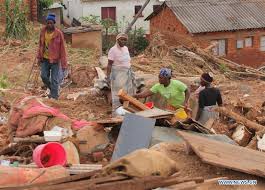
Recent reports from social workers in Manicaland suggest a worrying trend: a surge in “survival sex” and early marriages. In the wake of Cyclone Idai and subsequent floods, families who lost everything have, in some cases, seen marriage as the only way to reduce the number of mouths to feed. For a young girl forced out of school because her parents can no longer afford fees, the vulnerability to HIV skyrockets. Education was her shield; without it, she is exposed to transactional sexual networks that offer a temporary escape from hunger but a lifetime of medical complications.
The statistics are sobering. In climate-stressed districts, the risk of HIV infection among young women is significantly higher than in more stable regions. The virus isn’t just spreading through biology; it’s spreading through a lack of options.
Climate change also wages a war of attrition against the country’s healthcare infrastructure. Flash floods and cyclones don’t just destroy homes; they wash away bridges and flood the very clinics people rely on for life-saving care. When a bridge is out, a “ten-kilometer walk” to the clinic becomes a “thirty-kilometer detour”—an impossible journey for someone suffering from the fatigue of advanced illness.
Furthermore, the macro-economy is feeling the heat. The government, already navigating a complex economic landscape, is forced to divert funds from long-term HIV prevention programs to immediate disaster relief. Every dollar spent on importing grain to prevent starvation is a dollar potentially taken away from the procurement of the latest long-acting injectables or the maintenance of cold-chain storage for vaccines.
We can no longer treat “Climate Change” and “HIV/AIDS” as two separate files on a desk. They are deeply intertwined. A drought in Masvingo is an HIV crisis; a cyclone in Chimanimani is a reproductive health emergency.
To turn the tide, Zimbabwe’s response must be “climate-smart.” This means integrating economic support—such as climate-resilient farming and social cash transfers—directly into HIV care packages. It means ensuring that schools remain a safe haven for girls even when the harvest fails, perhaps through expanded school feeding programs and fee waivers during disaster years.
The story of the HIV pandemic in Zimbabwe has always been one of resilience and community. But as the planet warms and the weather becomes more erratic, that resilience is being tested like never before. If we ignore the economic link between the environment and the virus, we risk watching our hard-won victories wash away in the next flood or wither in the next drought. The fight for health is now, more than ever, a fight for the earth.


