
Expulsion Of Undocumented Workers Hits South African Sugarcane Farmers
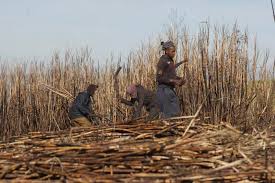
A shortage of sugarcane cutters has left large areas of sugarcane unharvested on KwaZulu-Natal’s North Coast following the expulsion of tens of thousands of undocumented foreign nationals, many of whom were employed on South African farms.
Pratish Sharma, a sugarcane farmer from Esenembe near Tongaat, a board member of SA Canegrowers and chairperson of the Maidstone Local Grower Council, told Farmer’s Weekly that the labour shortage has become one of the biggest challenges facing growers who supply Tongaat Hulett’s Maidstone Mill.
“The biggest challenge we’re dealing with at the moment is finding enough people to harvest cane. Some growers are struggling to get their crops off the land,” he said.
Sharma said the impact on his operations was limited because he moved quickly to replace the workers who had left.
“I employed eight foreign nationals and, after they left, I was lucky enough to find eight local workers the very next day. In my case, I was able to continue harvesting without interruption,” said Sharma.
He said many neighbouring farmers had not been as successful in finding replacement workers.
“One farmer lost about 100 cane cutters and has only managed to replace around 20. He is still looking for another 80 workers. That shows just how serious the shortage has become,” he said.
While milling operations remain unaffected for now, Sharma warned they may suffer should growers be unable to find replacement labour.
“At present, [Maidstone Mill] is still receiving enough cane because deliveries are being supplemented from other supply areas. That has helped keep crushing on schedule,” Sharma said.
“However, if growers cannot replace the workers they have lost, there is a real risk that the mill could eventually run short of cane.”
Sharma warned that the tough physical requirements of cane cutting could continue to deter potential recruits.
“Cane cutting is extremely demanding work. It requires strength, stamina, and the ability to work long hours in the field. It’s not a job that suits everyone, and many people don’t want to do it.”
Despite advances in agricultural technology, he explained that manual harvesting remains the most suitable option in many production areas.


