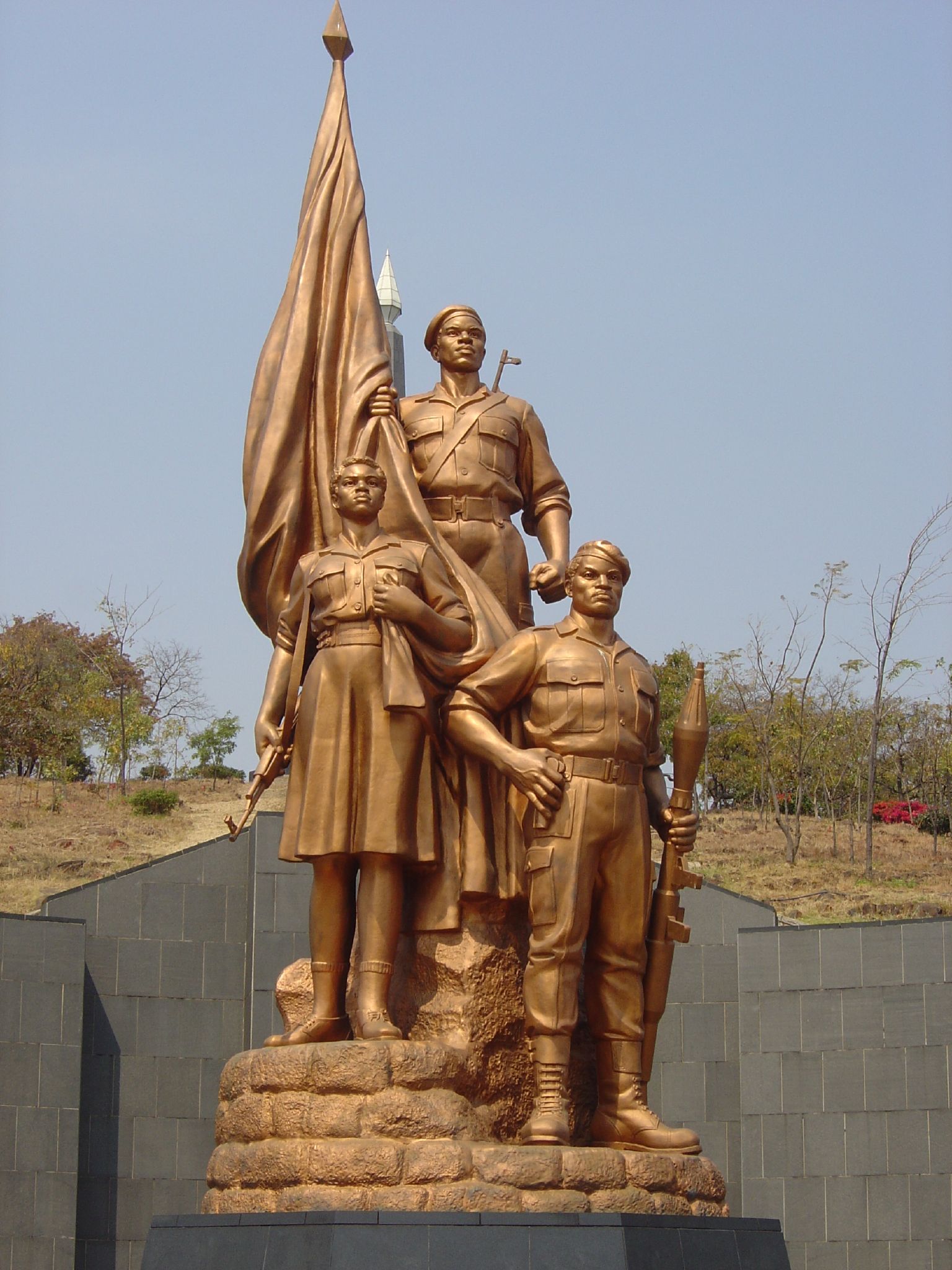
TOMB OF UNKNOWN SOLDIER: FROM SACRIFICE TO SOIL AS ZIMBABWE TILLS TOWARD $15.8BN ECONOMY
_By Chiyedzo Josiah Dimbo_
_HARARE_ — August is not merely a month of wreaths and rhetoric. It is a month of reckoning. As Zimbabwe commemorates its heroes, the government is pushing a hard-edged narrative: the most profound tribute to the unknown, Heroes_ is not a salute but a shovel in the ground.
The message is blunt. We honour the fallen not with speeches but with production. The target is clear: a $15.8 billion agricultural economy by 2030. The path is singular: production, production, production — followed by value addition, value addition, value addition, one hundred times over.
_FROM BATTLEFIELD TO FARMLAND_
Zimbabwe’s liberation arc stretches from the architects of the First Chimurenga—Mbuya Nehanda, Sekuru Kaguvi,King Lobengula—to the unknown thousands who carried the struggle. The government argues that this lineage demands an economic payoff.
“It’s not about being a breadbasket,” the strategy states. “It’s about becoming a _Regional Agric Hub_—a lasting honour to the unknown fallen heroes.”
That ambition is now official policy. Under His Excellency President Emmerson Dambudzo Mnangagwa and his two Vice Presidents, General (Rtd) Dr C.D.G.N Chiwenga and Colonel (Rtd) Dr K.C.D Mohadi*, the focus is Rural Industrialisation. The goal is to curb rural-urban migration and ensure “no one and no place is left behind” on the road to Vision 2030 Upper Middle Income Status.
_MAKE MONEY, NOT NOISE_
Pan-Africanist Cde Jimayi Muduvuri frames it succinctly: “Heroes Holidays are for reflection and honouring our gallant sons and daughters of the soil.”
But the new national mantra is starker: _Make Money, Not Noise_. Words must convert into tangible output. The administration is explicit—the next wave of millionaires will not emerge from boardrooms but from the land.
“The new generation of millionaires should come from the agricultural sector, which offers broad opportunities to young, creative, and innovative entrepreneurs,” the message reads.
_ZAS 116: HONOURING THROUGH PRODUCTION_
The 116th Zimbabwe Agricultural Show (25–29 August 2026) is strategically placed in Heroes Month. Its theme, _“Powering Growth: Where Agriculture, Technology & Commerce Converge”_, is a direct callback to the land the heroes fought for.
ZAS CEO Alfred Rufaro Gunundu confirmed 350 exhibitors to date comprising both local and international companies who have booked 66,000 square metres of space against the target of 630 exhibitors across 89,000 square metres. But the ambition is larger than an exhibition. The call is to transform the show into a permanent daily marketplace for super finished products—a living memorial to the fallen.
The economic logic is stark. Zimbabwe cannot continue exporting raw ore and unprocessed tobacco while importing finished goods. The shift must be absolute: from producer of raw materials to net exporter of finished products. The benchmark is not just national survival but regional dominance. Zimbabwe must position itself as the integrated manufacturing hub of SADC—competing head-on with South Africa’s agro-processing capacity and matching the value-addition gains seen in Kenya’s tea sector or Ethiopia’s leather industry.
_UNITY IN PURPOSE_
The political class is being asked to set aside division. The call is for a unified front: “Political divide should put the wheel on the shoulder and spin the weave.”
From the tombstone of the Unknown Heroes to the exhibition halls of ZAS, the baton has passed. The sacrifice of yesterday must be translated into the productivity of today. The benchmark is not rhetorical but measurable—against Zambia’s cotton-to-garment value chain, against Botswana’s beef processing, against the global standard where raw exporters remain poor and processors grow rich.
The instruction is simple: till the land, process the harvest, and export the finished product. That is how Zimbabwe honours its dead. That is how it builds a $15.8 billion economy. There is no other way.