
Bulawayo’s water crisis persists despite recent rainfall inflows
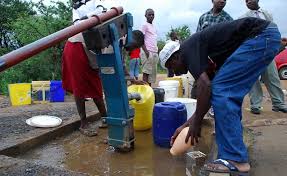
THE Bulawayo City Council (BCC) has revealed that the city’s water situation remains critical, despite the recent inflows recorded in some of its dams during the 2024/25 rainy season.
In a statement, providing an update on dam levels and water supply, the local authority emphasised the need for continued water conservation efforts as the current storage levels remain below the required thresholds for sustainable supply.
The local authority revealed that as of last Friday, the city’s global dam water levels were pegged at 37.31 percent compared to 43.95 percent that was recorded during the same period last year.
As of Friday, Insiza Mayfair was at 42.46 percent full compared to 60.15 percent full during the same period last year, Inyankuni 19.27 percent compared to 30.45 percent, Lower Ncema 13.38 percent compared to 18.19 percent, Upper Ncema was 33.21 percent full compared to 21.47 percent, Umzingwane was 34.67 percent full compared to 4.05 percent while Mtshabezi Dam was 66.87 percent full compared to 73.79 percent full during the same period last year.
“As of the current date, the global dam water levels have shown a 13.87 percent increase in relation to overall capacity, with inflows recorded since 4 November 2025. However, the water levels in the city’s dams are significantly below the required threshold, necessitating ongoing water conservation efforts and strict adherence to the existing water-shedding schedule,” said the city’s Town Clerk, Mr Christopher Dube in the update statement.
The local authority further noted that while they had started abstracting water from Umzingwane Dam, at its current available volume, depletion is projected to occur in December 2025.
“UMzingwane Dam was decommissioned on 19 November 2023 at 3.95 percent. Since the onset of the 2024/2025 rainy season, the dam has received cumulative inflows of 16.5 million cubic metres and is presently 34.67 percent full. Since 3 January 2025, the City has begun abstraction of water from the dam and at its current available volume, depletion is projected to be in December 2025,” reads the statement.
Upper Ncema, with the current inflows, is also expected to have depleted by December this year, Lower Ncema has two months’ worth of supplies, Inyankuni; 14 months, Insiza Mayfair; 19 months and Mtshabezi with 41 months’ worth of supplies, is expected to have depleted by June 2028.
On Upper Ncema, the local authority noted that the dam was decommissioned on 2 October last year after it reached 2.08 percent, which is the dead water level and it remained decommissioned as they continued building up inflows.
“Since the onset of the rainy season, the dam has received 13.7 million cubic metres of inflows and is currently 33.21 percent full. The Upper Ncema Dam, a crucial reservoir located on the same river as the Lower Ncema Dam is a reserve dam for the City as such abstraction of water from this dam is via Lower Ncema Dam. Since the onset of the current rainy season, the city has not released water from Upper Ncema Dam to Lower Ncema Dam,” reads the statement.
Residents in the city are enduring a 130 hours water shedding schedule, as the local authority continues to ensure the availability of water right through the year. Sunday News