
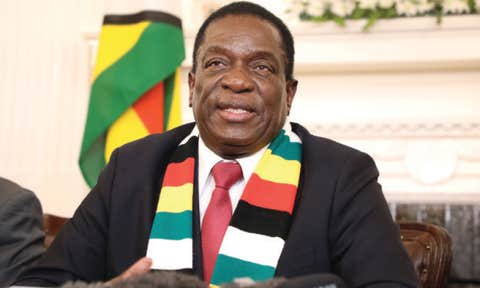
Mnangagwa Signs Constitution Amendment No.3 Into Law, Ends Direct Presidential Elections
By Desire Tshuma
Harare – President Emmerson Mnangagwa has signed the Constitution of Zimbabwe Amendment (No. 3) Act into law, ushering in major changes to how the President, Parliament and the Judiciary are appointed and elected.
The Act, gazetted after passing both Houses of Parliament with final amendments approved in the lower House last week, introduces the most sweeping constitutional changes since 2013.
In terms of the new law, Zimbabwe will no longer elect its President through direct public vote. Instead, the President will be elected by Parliament. The law also extends the terms of office for both the President and Members of Parliament from five years to seven years.
Other key provisions signed into law include:
1. Executive and Parliament: The President gains power to appoint 10 additional senators, increasing the Senate from 80 to 90 members. Where the office of President falls vacant, a Vice-President will act until Parliament elects a replacement within 30 days.
2. Electoral management: Responsibility for voter registration moves from the Zimbabwe Electoral Commission to the Registrar-General. A new commission will take over constituency and ward delimitation, removing those functions from ZEC.
3. Judiciary: Public interviews for judicial appointments are scrapped. The Attorney-General must now meet the qualifications of a Supreme Court judge. The Act also creates a new office of Judge President of the Supreme Court. The Court may also hear appeals involving important points of law if it grants leave.
The government argues the amendments are intended to ensure stability and continuity of national development programmes within a predictable governance environment. The Act cites sections 88 and 117 of the Constitution, which vest executive and legislative authority in the President and Parliament respectively, and notes that such authority includes the power to amend the Constitution in accordance with section 328.
The signing and gazetting of Amendment No.3 is expected to trigger widespread debate on the implications for democracy, accountability and the 2028 elections.