
Lake Chivero Pollution A “National Disaster”, CHRA Tells Government
By Desire Tshuma
Harare – The Combined Harare Residents Association has urged government to declare the pollution of Lake Chivero a state of national disaster, saying industrial effluent and raw sewage have turned Harare’s main water source into a public health emergency.
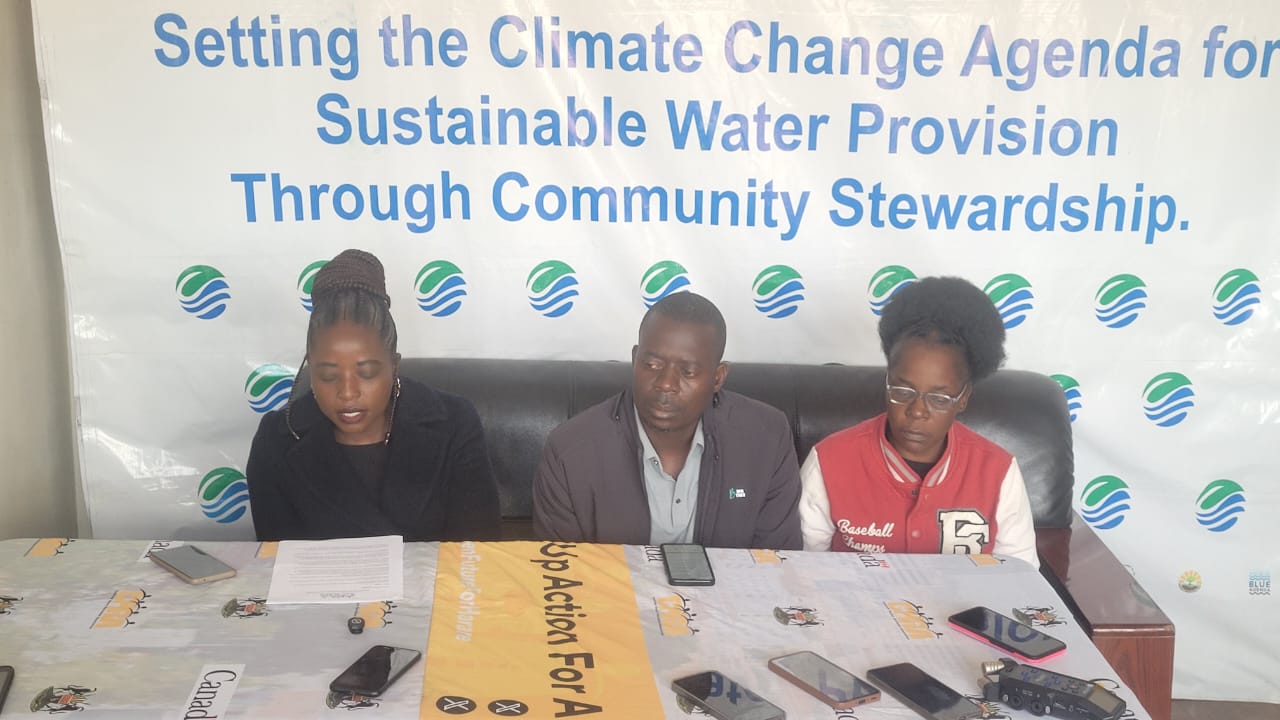
Addressing journalists in Harare on Tuesday, CHRA Chairperson David Pasipanodya said water pollution is now the most pressing health and ecological issue in the capital and the Upper Manyame Catchment. He said the continued contamination violates Section 73 and Section 77 of the Constitution, which guarantee the right to a clean environment and to safe, potable water.
According to CHRA research, industrial pollution stems mainly from companies failing to install pre-treatment facilities before discharging waste into municipal sewers, in violation of Section 59 of the Environmental Management Act [Chapter 20:27]. The association also cited the collapse of sewer works at Crowborough, Firle and Chitungwiza. CHRA estimates that about 250 million litres of raw sewage flows into Lake Chivero every day.
Pasipanodya said Zimbabwe’s regulatory framework has critical gaps including fragmented legislation, overlapping mandates, weak oversight and poor coordination among agencies. “Despite the existence of legal provisions on pollution, CHRA’s research findings reveal significant implementation and enforcement gaps,” he said.
He said polluter permit fees and fines are too low and are not ring-fenced for remediation. Discretionary powers given to environmental officers, he added, lead to inconsistent penalties. “In Zimbabwe, it’s cheaper to pollute rather than comply with the environmental water laws,” he said. “Industries continue polluting while simply paying nominal permit fees that fail to incentivize compliance or rehabilitation.”
Residents are also bearing the cost of the crisis. The City of Harare this year increased water charges from USD1.24 to USD1.89 per cubic meter in high-density areas, and from USD1.70 to USD2.34 in low-density suburbs. The local authority says it now uses up to 10 chemicals to treat water at a cost of about USD3 million per month.
The pollution has also affected livelihoods. A government ban on fishing at Lake Chivero remains in effect, but CHRA said illegal netting continues with fish being sold to residents and restaurants. “We call upon residents of Harare to stop buying contaminated fish from Lake Chivero, as this has serious health consequences,” Pasipanodya said. “We applaud the government for maintaining the ban, because the situation at Lake Chivero remains the same, if not worse.”
To address the crisis, CHRA said it has drafted a Model Statutory Instrument based on the “Polluter Pays Principle.” The proposal seeks to set fines that reflect the actual cost of environmental damage and to direct those funds to cleanup and restoration. The association will also roll out a public awareness campaign targeting councillors, parliamentarians, community leaders and government agencies.
CHRA further called on Parliament to fast-track amendments to the Environmental Management Act, ZINWA Act and Water Act. While noting a Statutory Instrument gazetted in June under the Civil Protection Act for river rehabilitation, Pasipanodya said Lake Chivero’s situation warrants urgent disaster-level action.