
Xiplomacy: Pursuing the greater good for all
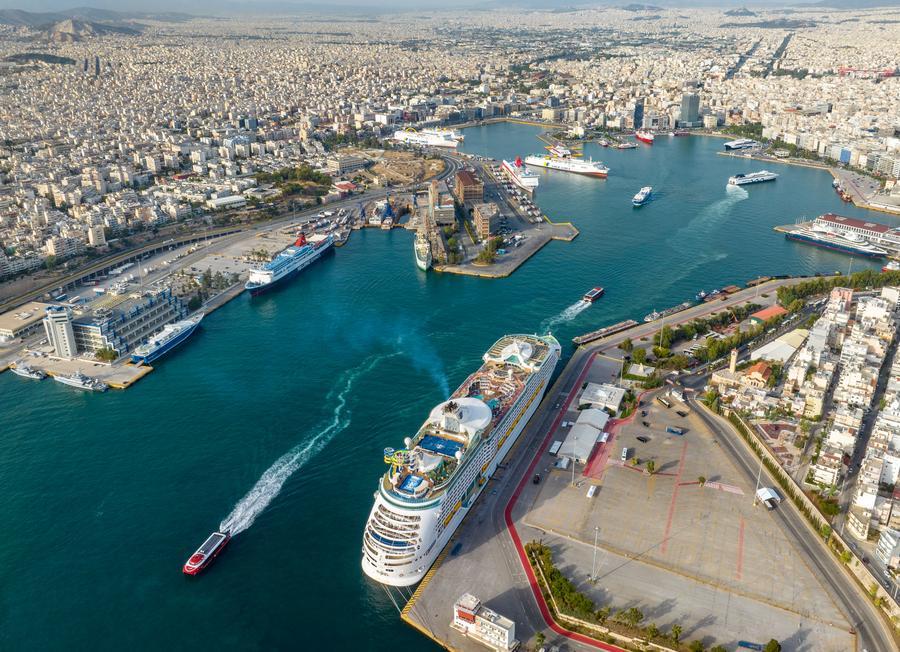
Once plagued by economic difficulties, the port has undergone a remarkable transformation through cooperation, demonstrating how such efforts can advance shared development — a principle frequently highlighted by Chinese President Xi Jinping in his diplomatic vision and engagements.
During his state visit to Greece in 2019, Xi toured the port and spoke highly of the cooperation project. He said China, in its external exchanges, upholds the right approach to justice and interests, adding that it was encouraging to see the project had helped local people through difficult times.
Greek Prime Minister Kyriakos Mitsotakis told Xi that Greece had gained a deeper understanding of the true meaning of friendship through cooperation on the Piraeus Port project with China.
The Piraeus Port project is one example of Xi’s close attention to cooperation projects such as the Jakarta-Bandung High-Speed Railway and Chancay Port in Peru, which bring tangible benefits to local communities.
For Xi, the true value of cooperation is measured not only by economic gains, but also by how it improves people’s lives.
During his visit to Tajikistan in September 2014, Xi attended a ceremony marking the commencement of a China-Tajikistan joint thermal power plant in Dushanbe. Seeing the difficulties faced by local people due to shortages of electricity and heating, Xi said he had experienced hardship himself and could empathize with them. Projects truly benefiting local people were the best ones, he added.
As Xi has said, “Development is real only when all countries develop together. Prosperity and stability cannot be possible in a world where the rich become richer while the poor are made poorer. Every nation aspires for a better life, and modernization is not a privilege reserved for any single country.”
Xi’s vision of common progress is taking root in regions like Africa, where countries are striving for faster development.
In 2013, Xi chose Africa for his first overseas visit after assuming the presidency. During the visit, he put forward the principles of China’s Africa policy — sincerity, real results, amity and good faith, and pursuing the greater good and shared interests.
In his keynote address at the opening ceremony of the 2024 Beijing Summit of the Forum on China-Africa Cooperation, Xi said that “on the path to modernization, no one, and no country, should be left behind.”
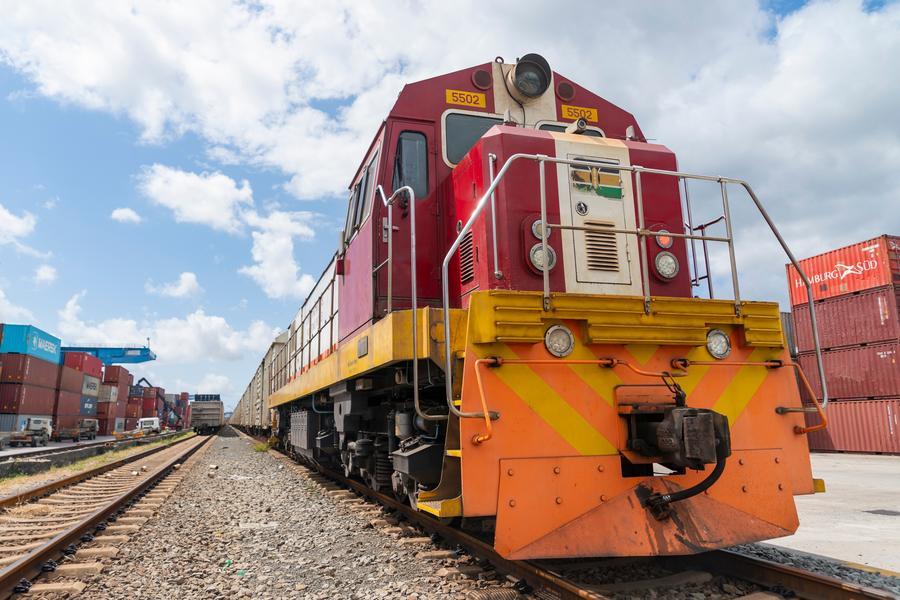
Over the years, China-Africa cooperation has expanded beyond economic sectors into areas closely related to people’s livelihoods. In Kenya, the Mombasa-Nairobi Standard Gauge Railway has become a major transport link in East Africa, while China-supported water projects have helped millions of African people gain access to safe drinking water.
Cooperation has also extended to the public health sector, with the Africa Centres for Disease Control and Prevention headquarters, built with Chinese support, helping strengthen health capacity across the continent. This May, China further opened its market wider to African countries by fully implementing zero-tariff treatment to all 53 African countries with which it maintains diplomatic relations.
“The greatest good in China-Africa relations is to closely combine Africa’s independent and sustainable development with China’s own development,” Xi said. “The ultimate goal is to realize win-win cooperation.”
One example is Juncao technology, which Xi promoted while working in east China’s Fujian Province more than two decades ago. He later introduced the technology to a visiting official from Papua New Guinea, paving the way for its overseas application.
Juncao technology, which uses a type of grass to cultivate edible mushrooms, feed livestock and prevent soil erosion, has become an effective tool for poverty reduction and sustainable development.
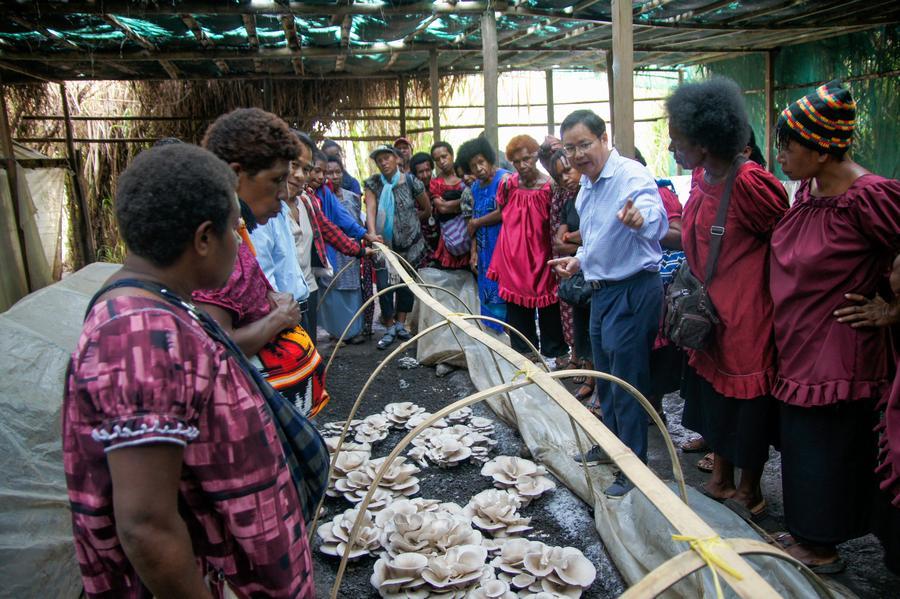
“I did go to Fujian Province. I met my then colleague, Governor Xi Jinping,” said Peti Lafanama, former governor of Papua New Guinea’s Eastern Highlands Province. “I think the President has a heart for the people.”
The vision of building a community with a shared future for humanity is also reflected in Xi’s efforts in global climate governance. Xi has repeatedly called for global solidarity to address this pressing challenge, stressing that ecological protection concerns the well-being and future of all countries.
China played “a decisive role” in the negotiation process of the Paris Agreement in December 2015, said former UN Secretary-General Ban Ki-moon, expressing his gratitude for China’s contribution to accelerating the ratification process of the agreement.
“Had not been President Xi Jinping’s initiative, we would not have the Paris Agreement on climate change even now,” said Ban.
In 2025, the 10th anniversary of the Paris Agreement, Xi announced China’s 2035 Nationally Determined Contributions at the UN Climate Summit, a move that further demonstrated China’s commitment and determination to advancing global green development.
“These targets represent China’s best efforts based on the requirements of the Paris Agreement,” Xi said in his video remarks to the UN summit.
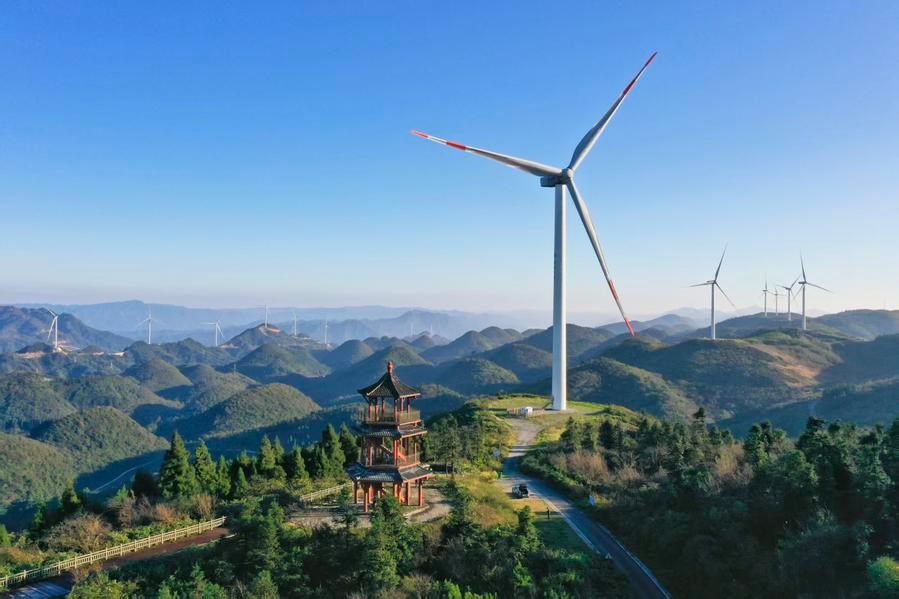
Through years of active participation in global climate governance and efforts to inspire younger generations to protect the planet, Xi has also called for building a community of all life on Earth in a bid to promote sustainable development for humanity.
“Our people hope to successfully realize national development, but they also hope to see all peoples of the world leading happy and peaceful lives,” Xi has said.■