Bodies Recovered as Kariba Families Demand Answers and Better Boats
By Desire Tshuma
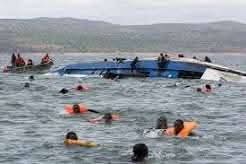
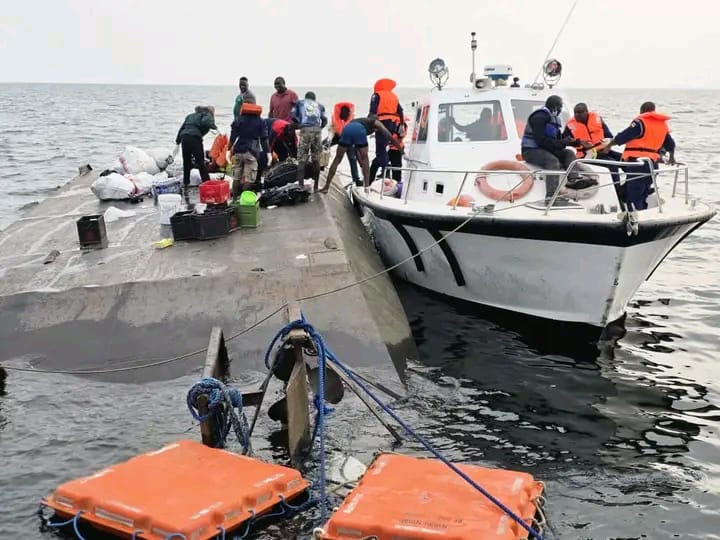
Kariba – The Kariba ferry tragedy has triggered fresh calls for urgent investment in water transport and roads, with legislators and the Minister of Transport pledging action. As bodies are still being retrieved and families wait to bury their dead, the disaster has highlighted deep failures in safety, infrastructure, and accountability along the Zambezi.
The tragedy has left more than a death toll in its wake. It has exposed deep cracks in transport infrastructure, service delivery, passenger accountability and the economic lifeline of communities along the Zambezi, with legislators now calling for urgent action to prevent another catastrophe.
Speaking after a solidarity visit to Kariba by a delegation of Mashonaland West legislators, MP Leslie E. Mhangwa said the tragedy should not be viewed merely as an isolated accident, but as a warning about the challenges confronting communities that depend on the lake for transport, livelihoods and access to essential services.
For residents of rural Kariba, the ferry was not simply a mode of transport. It was the cheapest and most practical link between communities separated by hundreds of kilometres of poor roads.
The Mbuya Nehanda reportedly charged about US$10 for the journey, compared with road travel that could cost more than US$30. A journey of approximately 120 kilometres across the lake can translate into more than 400 kilometres by road.
The road alternative is equally punishing, with travellers having to move from Kariba to Karoi, then to Siakobvu and eventually towards Mola, often relying on hiking for parts of the journey.
The condition of the roads compounds the crisis. The delegation reportedly encountered washed-away bridges and stretches of road where a journey of about 200 kilometres from Karoi to Siakobvu took approximately four hours.
Mhangwa also raised concern over the state of the Chirundu-Karoi-Kariba road network, arguing that the poor infrastructure continues to isolate communities and undermine effective representation and service delivery.
But perhaps the most troubling revelations emerging from the visit concern the number of people who may have been aboard the ferry when disaster struck.
According to accounts shared with the delegation, the ferry had reportedly carried more than 300 people on a previous trip to Chalala. On the day of the tragedy, community members believe the number could have been significantly higher than the official figures that have been released and revised.
The discrepancy has raised serious questions about passenger registration, ticketing and accountability.
Children below a certain age reportedly travelled without paying, while staff were exempted. There were also allegations that some passengers were accommodated through informal arrangements by crew members without being reflected in official records.
Mhangwa said the final passenger tally may therefore only become clear through painstaking efforts to identify victims and survivors through relatives and community records.
The tragedy has also laid bare the economic importance of Kariba’s rural communities.
Communities along the Zambezi depend heavily on fishing, tourism and other activities linked to the river and Kariba Dam. Yet inadequate infrastructure has prevented the area from reaching its full economic potential.
Rural Kariba residents also depend heavily on urban Kariba and fishing camps for employment, while attractions such as Matusadona and surrounding wildlife areas remain largely underdeveloped as engines of local economic growth.
For the bereaved, however, economic questions are secondary to the unbearable pain of waiting for their loved ones.
Bodies are still being retrieved from the lake, and many families are yet to receive the remains of their loved ones. Every body recovered brings a fresh wave of anguish as families are forced to confront the possibility that the remains could belong to their missing relatives.
The condition of some recovered bodies, reportedly affected by prolonged immersion and fish activity, has made identification even more traumatic and has delayed handovers to families.
In Mola, the delegation reportedly encountered a community where funerals had become part of everyday life, with dozens of families still waiting for the recovery of their loved ones.
The psychological scars are equally deep. One survivor reportedly struggled to endure a burial service after being overwhelmed by memories of the ordeal.
The delegation said urgent psychological support was needed for survivors, families and the wider community.
While local councillors and MP Hon Gwangwaba were commended for providing assistance, including groceries to affected families, concerns were raised that government support should go beyond immediate relief.
The proposed compensation of US$100 per victim has also been questioned as inadequate, particularly for families who lost breadwinners and now face a future fundamentally altered by the tragedy.
The call from the community is therefore for a comprehensive support package that addresses funeral expenses, livelihoods, education, psychological support and the long-term welfare of affected families.
Mhangwa called for a full investigation into the disaster, saying accountability must follow wherever negligence or wrongdoing is established. He also urged authorities to intensify the search for the missing and recover all bodies as quickly as possible to bring some measure of closure to grieving families.
Meanwhile, Minister of Transport and Infrastructure Development, Honourable Advocate Felix Mhona, has vowed that there will never be a repeat of such a water accident.
Speaking on the tragedy, Minister Mhona said the ministry would take effective action and adopt a zero-tolerance approach to water transport accidents. He said safety audits, stricter vessel inspections and improved passenger registration systems would be rolled out on all inland waterways to ensure compliance and protect lives.
Beyond the immediate response, the tragedy has reignited calls for modern and reliable water transport infrastructure.
For a community whose geography makes water transport indispensable, replacing ageing vessels with safe, modern boats should be treated as an investment rather than an expense.
At the same time, the road network connecting Kariba’s rural communities must receive urgent attention.
Mhangwa further argued that genuine devolution could allow communities such as rural Kariba to unlock their economic potential instead of remaining dependent on centralised decision-making.
With Mashonaland West preparing to host the Sanganayi/Hlanganani World Tourism Expo in 2027, the MP believes the province has an opportunity to place rural Kariba’s wildlife, fisheries and water-based tourism potential at the centre of its development agenda.
The hope is that the tragedy will not become another statistic forgotten once the funerals are over.
Instead, the loss of life should become a turning point — one that compels government to build safer transport systems, better roads, stronger records and a more sustainable economy for communities living along the Zambezi.
During the visit, Mhangwa said he was struck by the commitment of Chief Mola and the area’s sitting MP, Hon Gwangwaba, describing their dedication to their people as a powerful example of leadership rooted in humility and service.
For the people of Kariba, however, the immediate demand is simple but profound: recover their loved ones, support the families left behind, establish the truth about what happened and ensure that such a tragedy is never repeated.