
Rising Lawyer and Businessman Sean Zvarevashe Challenges Police Over Chivayo’s Luxury Fortuner Donation
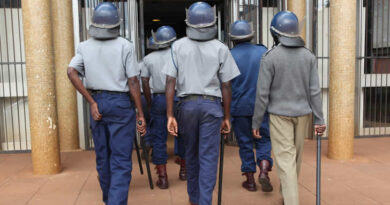
HARARE— Upcoming attorney Sean Zvarevashe, operating from prominent Harare litigation firm Shava Law Chambers, has formally petitioned the Zimbabwe Republic Police (ZRP) leadership over controversial businessman Wicknell Chivayo’s proposed multi-million-dollar donation to the Harare CID Homicide Department.
The legal intervention follows Chivayo’s public announcement that he sought official clearance to reward investigating officers after 18 armed robbers involved in a violent raid on his in-laws’ Marondera property were convicted and sentenced to an aggregate total exceeding 950 years in prison.
Chivayo’s offered reward package includes 10 bulletproof 2026 Toyota Fortuners, US$250,000 worth of specialized tactical equipment, and flagship iPhone 17 Pro Max smartphones for every officer in the specialized unit.
Acting on behalf of client Sean Zvarevashe, the defense team comprising of award winning lawyer Obey Shava and the prominent Obey Chitowamombe dispatched formal correspondence directly to Police General Headquarters (PGHQ) seeking immediate administrative clarity.
The legal petition demands that police command disclose whether the ZRP, the Ministry of Home Affairs, or the National Treasury has officially vetted, processed, or taken physical custody of any portion of the vehicles, technical hardware, or devices.
In the letter, the firm raised grave constitutional and ethical concerns, warning that allowing private citizens to directly bankroll or deliver targeted financial rewards to specific police units sets a dangerous precedent.
Counsel argued that accepting direct, high-value personal gifts from private complainants compromises the institutional independence of the police force, severely exposing state law enforcement to allegations of institutional bias, selective prosecution, and civil service corruption.
Under Zimbabwe’s public finance management frameworks, private contributions to state agencies are strictly regulated and must pass through official Treasury channels to safeguard institutional neutrality. Direct hardware allocations outside these statutory protocols present critical legal vulnerabilities that could impact active and future criminal trials.
The formal legal query leaves police command facing heightened scrutiny to confirm whether the luxury fleet and flagship devices will be accepted into state inventory or formally turned down to uphold the credibility of the force.