
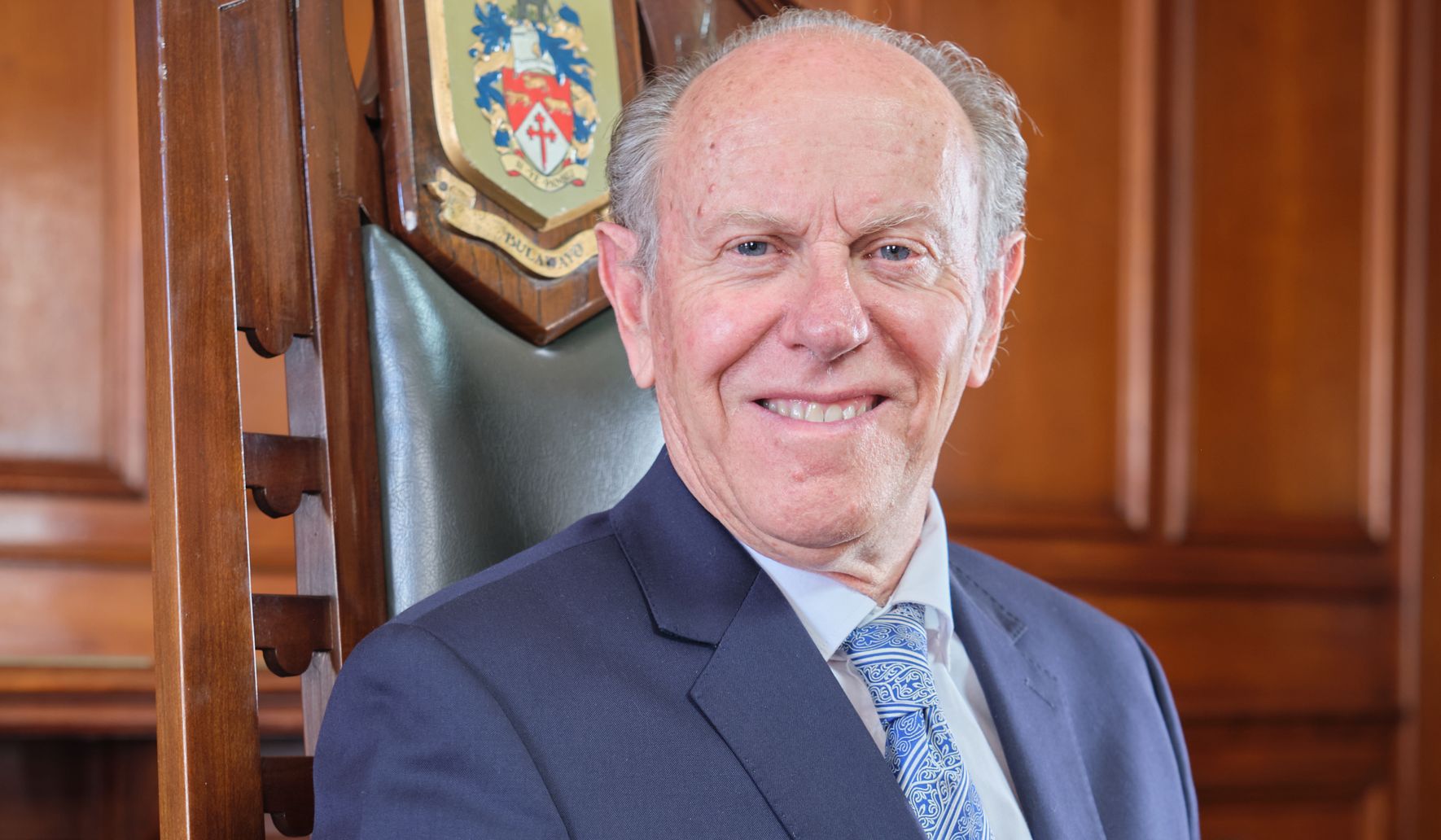
Bulawayo Mayor David Coltart Warns 252km Water Pipeline Could Take Over 200 Years Due to Treasury Delays
BULAWAYO — The long-awaited 252-kilometre Lake Gwayi-Shangani-Bulawayo pipeline could take more than two centuries to complete if the government maintains its current pace of funding, Bulawayo Mayor David Coltart has warned.
Speaking on the critical
infrastructure project designed to permanently solve the city’s severe
water supply crisis, Coltart highlighted the severe mismatch between the project’s total cost and the actual disbursements made by the central government over the past year.
At the funding rate recorded in
the previous financial year, the timeline to deliver water to the country’s second-largest city stretches out over an astonishing 200-plus years.
“If the government continues to disburse funds for the Gwayi-Shangani-Bulawayo pipeline at last year’s rate, it will take more than two centuries to complete,” Coltart stated, emphasizing the urgent need for a drastic shift in fiscal prioritization and implementation strategy.
The Gwayi-Shangani Dam and its connecting pipeline to Bulawayo have been championed as the ultimate solution to the Matabeleland region’s perennial water scarcity. First envisioned
over a century ago as part of the National Matabeleland Zambezi Water Project (NMZWP), the initiative aims to draw water from the inland dam directly to Bulawayo’s municipal distribution system, supporting both domestic consumption and industrial growth.However, progress on the 252-kilometre pipeline has faced persistent delays, primarily driven by inflationary pressures, foreign currency shortages, and slow treasury releases.
While the government has repeatedly assured
residents that the project remains a national priority, municipal leaders argue that the reality on the ground does not match the public commitments.
Bulawayo has faced devastating water rationing in recent years, with some residential suburbs going days or even weeks without piped water. Municipal authorities have been forced to rely on aging supply dams in Matabeleland South, which frequently drop to dangerously low capacity levels during dry spells and drought cycles.
Coltart stressed that the city cannot afford centuries of delay while its economic base and population suffer from an ongoing resource shortage. He called on the central government to either dramatically
scale up direct budgetary allocations or explore alternative financing models—such as public-private partnerships (PPPs) or international infrastructure bonds—to accelerate execution.
Without a significant influx of capital and a renewed commitment to rapid construction, the 252-kilometre pipeline risks remaining an unfinished promise, leaving Bulawayo’s residents and industries trapped in a perpetual cycle of
water anxiety for generations to come.