ZESA finally admits that it cannot provide enough electricity for the whole country
…Turns to private sector for help as power crisis deepens
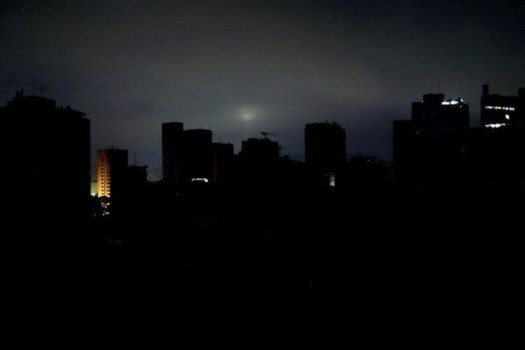
The Zimbabwe Electricity Supply Authority (ZESA) has admitted it cannot meet the country’s growing electricity demands and is now turning to private players to generate, transmit, and distribute power particularly in newly developed suburban areas.
The state-owned utility, long plagued by ageing infrastructure and limited investment, will now allow private companies to act as electricity retailers in areas ZESA has failed to reach.
The move marks a significant shift in national energy policy, acknowledging the utility’s limitations in keeping up with rapid urban expansion.
“ZESA’s investment might not be enough to take electricity to all households.
“So, we invite the private sector to consider becoming retailers in those areas,” said Energy and Power Development Minister July Moyo during a National Energy Compact workshop held in Harare.
“Our position, which Cabinet has already agreed to, is that we should invite the private sector,” he added.
According to Herald, the government hopes that by opening the sector to private investment, the electricity supply gap will be narrowed.
This model follows Zambia’s example, where companies like the Copperbelt Energy Company and the North Western Energy Company provide direct transmission and distribution services alongside the national utility.
The initiative also reflects growing acceptance within government circles that a public-private partnership model may be the only viable solution to Zimbabwe’s deepening energy crisis.