
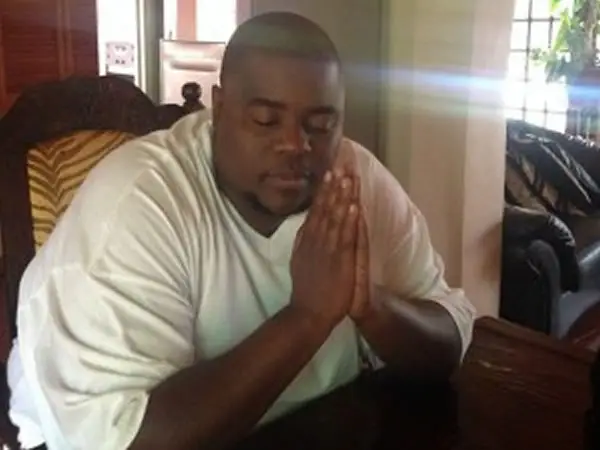
Wicknell Chivayo and the Gwanda Solar Project: The Truth We’ve Ignored
By Chiyedzo Josiah Dimbo — Ambassador of Hope
Many people hate Wicknell Chivayo without understanding the full story. Over the years, countless misleading narratives have surrounded the Gwanda Solar Project, and the public has been quick to condemn the man, not the system. Yet, when the dust settles and the facts are examined, it becomes clear that the real failure lies not with Chivayo — but with the Zimbabwe Power Company (ZPC) itself.
The Birth of a Controversy
When Intratrek Zimbabwe, Chivayo’s company, was awarded the contract to build a 100MW solar power plant in Gwanda, hope was high that Zimbabwe would finally harness clean, sustainable energy. The project, valued at US$183 million, was meant to be a national milestone — a symbol of progress and innovation.
But soon after, the project stalled. The public saw only a cleared piece of land surrounded by fencing. Social media exploded with outrage: “Where is the solar plant? Where did the money go?”
Almost overnight, Wicknell became the face of corruption — the man who “ate the solar money.” But the truth, as revealed in court, was far more complex.
What the Court Revealed
ZPC had paid around US$5 million to Intratrek for preliminary work. However, after visiting the site and seeing no visible construction, ZPC terminated the contract and took Chivayo to court, accusing him of fraud and non-performance.
In court, Chivayo presented evidence that the funds were used for feasibility studies, engineering designs, environmental assessments, and other preparatory works necessary before actual construction could begin.
The High Court ruled in his favor, finding that Intratrek had not breached the contract. Instead, it was ZPC that had mismanaged and prematurely terminated the agreement, ignoring key contractual terms and failing to establish clear milestones or project supervision mechanisms.
In essence, the court said: ZPC created its own problem.
The Real Issue: Institutional Weakness
How can a government entity sign off on a multimillion-dollar contract without concrete timelines, deliverables, or monitoring systems?
That is the bigger question Zimbabweans must now ask. While it is easy to blame a businessman, the real accountability issue lies with the system — a bureaucracy that often operates with impunity, poor oversight, and little consequence for negligence.
ZPC’s failure to manage the project properly cost the country more than just money. It cost us trust. It damaged investor confidence. It turned a potentially transformative renewable energy project into a national embarrassment.
If peaceful demonstrations were permitted, the protest should not be outside Wicknell’s home — it should be outside the ZPC offices and the Ministry of Energy. That’s where the rot begins.
A Case Study in Misplaced Anger
Zimbabweans have a tendency to personalize corruption. We focus our rage on individuals while ignoring the structures that enable them. The Gwanda case is a textbook example.
Wicknell’s victory in court should have prompted serious reform within ZPC and other state enterprises. Instead, the same culture of weak governance and opaque deals continues across sectors — from energy to mining, infrastructure to health.
If we fail to demand systemic change, we will keep blaming “the usual suspects” while the real culprits remain protected behind government desks and procurement committees.
Accountability Must Be Universal
Accountability should not depend on who is popular or unpopular. It must be consistent, transparent, and impartial.
If ZPC management mishandled the project, investigations should not stop with a court verdict — they should extend to every official who approved payments, ignored red flags, or failed to enforce compliance.
Until that happens, Zimbabwe will continue to lose millions in public funds through incompetence disguised as procedure.
The Bigger Picture
This story is bigger than Wicknell Chivayo. It’s about how public institutions handle national resources. It’s about the culture of blame-shifting that thrives when systems lack transparency and leadership accountability.
The Gwanda Solar Project should have been a beacon of progress. Instead, it became a mirror reflecting our deeper governance flaws.
Chivayo may be controversial, but in this instance, the facts are clear: he did not break the law — the system did.
Final Thoughts
The next time we point fingers at individuals, we must remember that corruption and mismanagement are rarely one-man shows. They are networks — systems — built on weak oversight, poor leadership, and political protection.
If Zimbabwe is to progress, we must demand accountability not only from contractors but also from the institutions entrusted with safeguarding public interest.
Only when we begin to question the system rather than demonize the individual will true reform begin.
“Justice is not about who we blame — it’s about who we hold accountable.”