
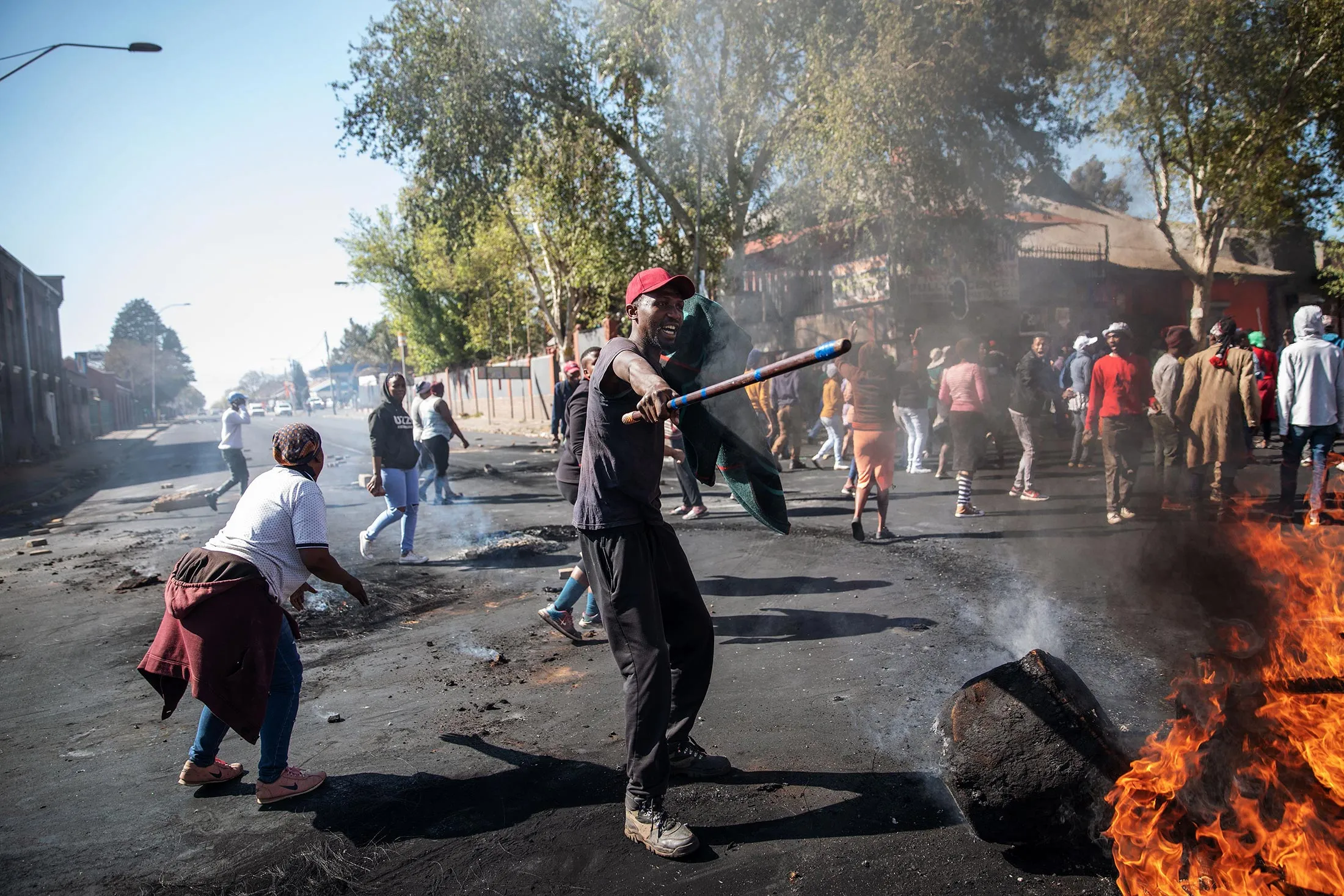
𝗫𝗘𝗡𝗢𝗣𝗛𝗢𝗕𝗜𝗔 𝗖𝗥𝗜𝗦𝗜𝗦 𝗘𝗦𝗖𝗔𝗟𝗔𝗧𝗘𝗦: 𝟲𝟵𝟲 𝗭𝗶𝗺𝗯𝗮𝗯𝘄𝗲𝗮𝗻𝘀, 𝗜𝗻𝗰𝗹𝘂𝗱𝗶𝗻𝗴 𝟮𝟵𝟭 𝗖𝗵𝗶𝗹𝗱𝗿𝗲𝗻, 𝗥𝗲𝘁𝘂𝗿𝗻𝗲𝗱 𝗙𝗿𝗼𝗺 𝗦𝗼𝘂𝘁𝗵 𝗔𝗳𝗿𝗶𝗰𝗮
The Government of Zimbabwe says it has repatriated 696 citizens from South Africa since the start of June under an assisted voluntary return programme.
The scheme was launched in response to a surge in xenophobic attacks and anti-immigrant unrest across several South African provinces.
The initiative is being run with support from partners including the International Organisation for Migration (IOM) and the United Nations Children’s Fund (UNICEF).
Official figures show 696 Zimbabweans had been repatriated by 15 June, made up of 405 adults and 291 accompanied children.
Most returnees were displaced from the Western Cape, KwaZulu-Natal and Gauteng, where anti-immigrant protests have intensified in recent weeks and, in some cases, turned violent.
The majority are arriving at Beitbridge Border Post on buses hired by the Government.
IOM Zimbabwe spokesperson Fadzai Nyamande-Pangeti said the organisation was working closely with national authorities and humanitarian partners to monitor developments and adjust support as needs emerge.
“In line with evolving operational needs, the organisation has scaled up support at Beitbridge to include meal assistance and onward transport to inland destinations across Zimbabwe, ensuring that returnees can continue their journeys safely to their communities of origin,” she said.
“This includes facilitating transport to destinations such as Harare, Gweru and Mutare, while also providing meal assistance to address immediate needs during transit.
“These extended services complement ongoing support provided at points of entry and are part of a broader, coordinated response led by the Government of Zimbabwe, with IOM strengthening systems, enhancing screening and referral mechanisms, and supporting access to protection services where needed.”
She said on arrival at Beitbridge, returnees are processed through reception facilities run by national authorities.
Immediate assistance includes registration and profiling, food and water, basic non-food items, health screening and referrals, psychosocial support, and information services.
Zimbabwe is among several African countries — including Ghana, Malawi, Mozambique and Nigeria — that have started voluntary emergency repatriation programmes for citizens affected by the latest wave of anti-immigrant unrest in South Africa.
Anti-immigration groups have warned that if undocumented foreign nationals do not leave South Africa by 30 June, they will organise a national shutdown and mass protests to force action.
The South African government has rejected the deadline. Justice and Constitutional Development Minister Mmamoloko Kubayi said the state does not recognise the ultimatum, stressing that immigration must be handled legally through official legislative processes and deportations, not by citizen enforcement.
More: The Herald