Kariba Ferry Disaster: Death Toll Rises to 46 as Questions Mount
By Desire Tshuma
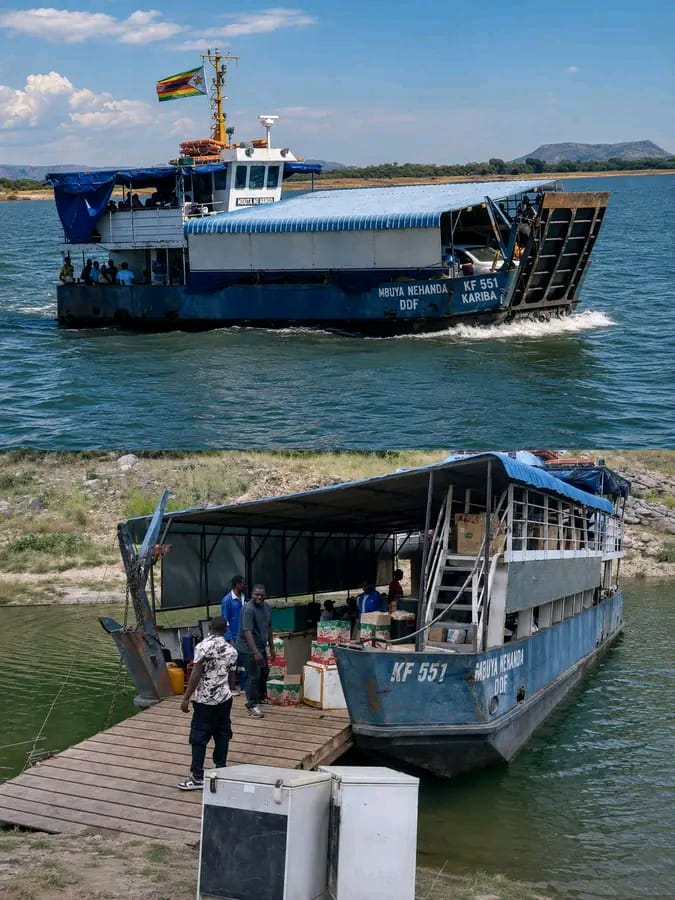
Kariba – The death toll from the Mbuya Nehanda ferry disaster on Lake Kariba has risen to 46, police have confirmed, as questions continue to mount over maritime safety, the condition of the vessel and the State’s preparedness to protect communities dependent on water transport.
The ferry, operated by the Rural Infrastructure Development Agency (RIDA), sank on August 11 while travelling from Kariba towards Chalala in Nyaminyami Rural District. The vessel went down near Long Island amid reports of strong winds and rough conditions.
The latest confirmation by police raises the urgency of establishing exactly what happened before the vessel left Kariba.
Concerns over the condition of government ferries on Lake Kariba had been raised years before the tragedy. In 2021, senior government officials inspected vessels including Mbuya Nehanda, Chaminuka and Nyaminyami and acknowledged persistent breakdowns and high operating costs within the ageing fleet. Government subsequently indicated that refurbishment and modernisation were required.
The investigation must now establish whether Mbuya Nehanda was adequately maintained, what work was carried out, how much was spent and whether the vessel had passed all mandatory safety inspections before undertaking the fatal journey.
Weather conditions have also emerged as a critical line of inquiry. Survivors have described strong winds, dangerous waves and water entering the ferry. Some passengers reportedly raised concerns before departure and later urged the captain to turn back. Reports also indicate that a warning had been issued advising boats not to sail because of dangerous conditions on the lake. If those accounts are confirmed, investigators will have to determine whether the decision to sail was consistent with established maritime safety procedures.
Another unresolved issue is the number of people aboard the ferry. Mbuya Nehanda had a stated capacity of 90 passengers, excluding crew, but subsequent accounts suggested that more people may have been on board. Police initially referred to 90 passengers and five crew before later indicating that passenger numbers were still being verified. Provincial authorities reportedly recorded 114 ticketed adults, five crew members and an unknown number of children, while surviving crew member Anyway Chambati reportedly said he counted 153 people, including infants and crew. The conflicting figures highlight the need for authorities to establish a definitive passenger manifest as search and recovery operations continue.
The rescue operation is another area likely to come under scrutiny. Survivors reportedly spent extended periods in the water, while private boat operators, divers, conservation teams and a privately owned helicopter were involved in the initial rescue efforts before government emergency agencies were mobilised. President Emmerson Mnangagwa described the response as prompt and swift but acknowledged deficiencies in Zimbabwe’s maritime capabilities.
Beyond the immediate disaster, the sinking has exposed the vulnerability of communities such as Chalala, which have relied on government ferries for access to Kariba and essential services. Although Chalala is only about 50 kilometres from Kariba by water, travelling by road can require a journey of more than 400 kilometres. Poor roads and difficult terrain have historically left lakeshore communities heavily dependent on ferries.
The disaster therefore raises a broader policy question: has Lake Kariba been adequately treated as critical public transport infrastructure rather than primarily a tourism and recreational resource?
With the death toll now standing at 46, pressure is mounting for a full and independent investigation. Government should establish the circumstances surrounding the ferry’s maintenance, passenger loading, departure, capsizing and rescue operation, while an immediate safety audit of the remaining ferry fleet is necessary.
For the bereaved families and survivors, however, accountability must be accompanied by meaningful assistance and compensation where appropriate.
The Mbuya Nehanda tragedy should not become another statistic. It must become a turning point in the way Zimbabwe manages maritime transport and protects communities whose daily lives depend on Lake Kariba.