
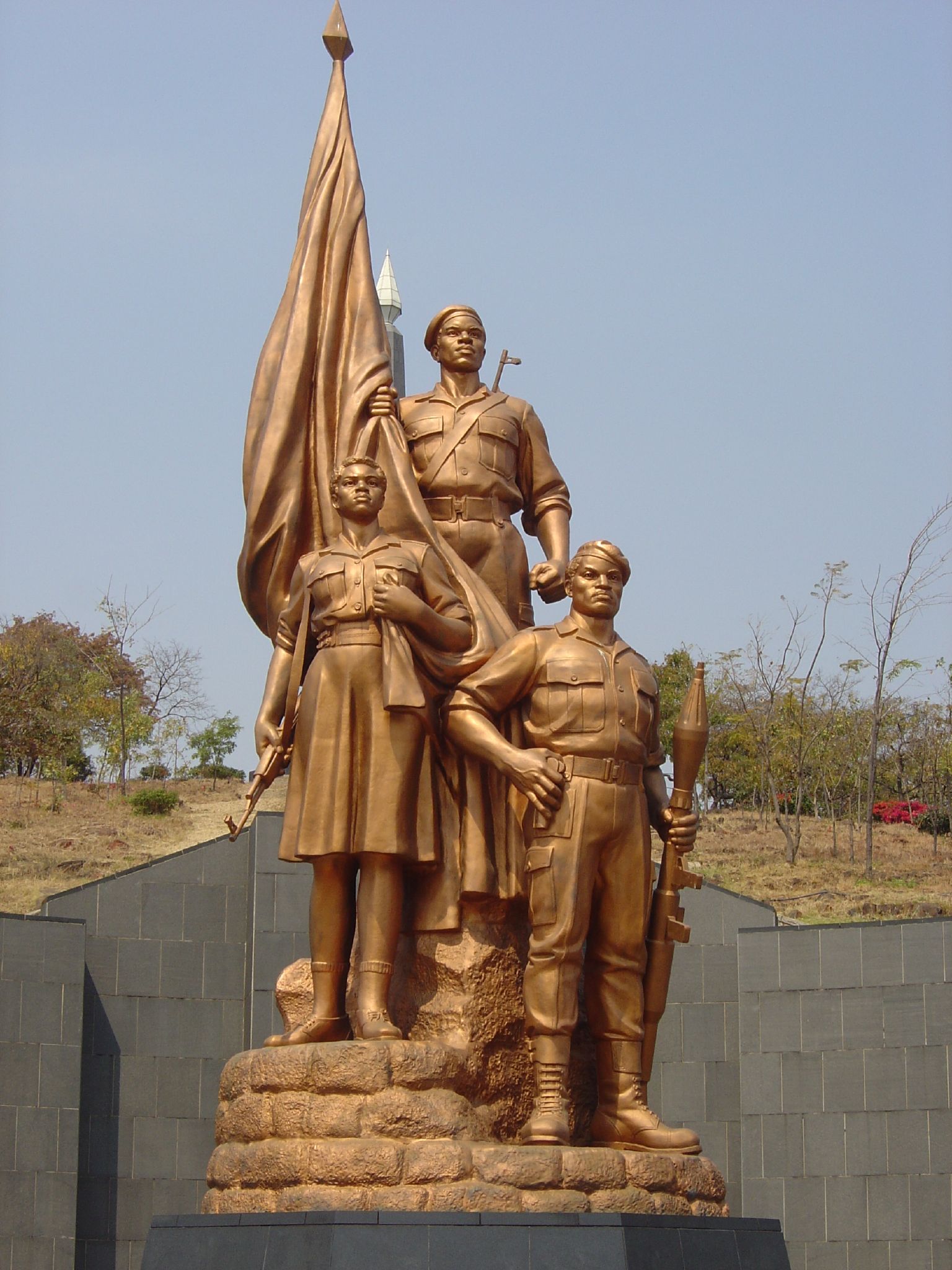
THE BONES HAVE RISEN: STONERIDGE LINKS HEROES DAY TO LAND, MACHINERY, AND A $15.8BN AGRICULTURAL FUTURE
By Chiyedzo Josiah Dimbo, Ambassador of Hope
HARARE SOUTH — August in Zimbabwe is never ordinary.
It is the month of camouflage and medals — Zimbabwe Defence Forces Day on 11 August, Heroes Day on 10 August. It is also the month when farmers sharpen pangas and book buses to the 116th Zimbabwe Agricultural Show. In Stoneridge, those two calendars have merged.
Fifteen voices from this community — elders, shop owners, youth vendors, and mothers — spoke ahead of the commemorations. They are self-driven Zimbabweans who lived through the Native Cattle Act, who hid comrades in the rural mountains, and who now till the land and sell groceries. Their verdict is clear: Remember the sacrifice. Use the freedom. Equip the farmer.
The liberation war was fought mainly in the rural areas, and the men and women of Stoneridge carry those rural memories into an urban present.
THE LAW THAT COUNTED US
To understand why August matters, start with cattle and taxes. Colonial Southern Rhodesia taxed Africans into labour: the hut tax and poll tax drove fathers into mines and settler farms. The Native Cattle Act capped African cattle ownership, and the Land Apportionment Act of 1930 gave the rich highland soils to whites while pushing Africans onto sandy, loamy ground.
Givemere Mutero, who now runs a grocery shop, grew up inside that architecture,”During the Rhodesian era, education was selective. Cattle were limited up to three. Taxes forced our fathers into the mines. On First Street, a black man could be arrested for walking. Land: blacks were given sandy, loamy soils. Whites took the rich ones,” he recalled.
Stephen Guvira Zindi was part of the answer to that system. He relocated from Masvingo to Mashonaland Central in search of better soils and then served as a war collaborator in the rural struggle.
“This month makes us think deeply. Blood was spilt. It wasn’t easy. They died for our freedom. As war collaborators, we disguised ourselves. We acted as spies. The spirit mediums led the revolution. I am inspired by the late Herbert Chitepo,” said Zindi.
Bvumai Tohongayi lived in the mountains during the war and knew that terrain first-hand.
“It was a difficult time. Now, we are free and witnessing development and infrastructural development. RG Mugabe was a visionary with the resettlement programme and education; I remain inspired by him. Now His Excellency President Cde Dr ED Mnangagwa is propelling Zimbabwe to the land of milk and honey.”
The same pantheon appears across the interviews: Josiah Magama Tongogara, Joshua Nkomo, Josiah Tungamirai, Leopold Takawira, Burombo, George Nyandoro and Parirenyatwa.
Shepherd Mareverwa cites Tungamirai’s warning “not to betray the ethos of the revolution.” Gibson Chirima names Tongogara and Nkomo as his compass. Nyasha Muza calls Takawira “Shumba yeChirimuhanzu.” Moila Nhoro completes Mbuya Nehanda’s prophecy: “My bones will rise — and the bones have risen. Now we are free.”
At midnight on 18 April 1980, Rhodesia became Zimbabwe. The old laws did not vanish overnight, but the political map changed forever.
Givemere Mutero still carries the sentence that framed the new nation,“RG Mugabe was courageous when he said Zimbabwe will never be a colony again. So Blair, keep your England, and I will keep my Zimbabwe.”
THE SHOWGROUND AS THE NEXT FRONT
If Heroes Day is about remembering the cost, the 116th Zimbabwe Agricultural Show is about collecting the dividend. For Stoneridge, the show is not leisure; it is technical training.
“This will be my first time at ZAS,” said Shepherd Mareverwa. “I would like to copy, improve, and paste good agricultural practices at the show,” he concluded
Philemon Zvoushe puts it in a classroom frame: “The show is part of the classroom. I urge parents to take their children to the Zimbabwe Agricultural Show. Catch them young,” said Zvoushe
Nyasha Muza sees the national stage: “It is a platform to showcase agricultural products by Zimbabweans.”
Chipo Mukaro adds: “The Agricultural Show is a learning curve for us. We learn new things.”
The context is the national target: a $15.8 billion agricultural economy by 2030. Stoneridge says the target is achievable — if the equipment follows.
“The importance of Heroes Day is that our fathers sacrificed resources towards liberation,” said Paul Mambara. “Hence, we fought as well. The Agricultural Show is about agricultural development. Indigenisation has birthed entrepreneurship. What we need now is machinery and equipment to help us advance further.”
The refrain is soil.
“Our riches are in the soil,”said Moila Nhoro with a smiling face.
“The Agricultural Show reminds us about the soil. We have to utilise the land,”said Gibson Chirima.
“Colonizers grabbed fertile lands. Now we have our land,” said Stephen Zindi, who is now venturing into fish farming.
Zvoushe also welcomes the renaming of extension officers to Agricultural Business Development Officers.
“Agriculture must be business,” he says. “Farmers must enjoy their sweat, not middlemen,” added Zvoushe.
Across the 15 interviews, discipline and work ethic dominated.
The young must study the struggle and avoid the traps of modern life: “As children of ZANU PF, we salute the departed heroes who chose Zimbabwe first Let us remember Chimoio, Nyadzonya, and Tembwe Young people must not indulge in drugs. They have to work,” said Kudzanayi Dube.
Rutendo Sithole links the past to cultural preservation, “I appreciate the liberation struggle. During the colonial era, people were under the yoke. I encourage young people to preserve cultural values. I am inspired by the First Lady Amai Auxillia Mnangagwa for fighting drug and substance abuse the carnage which has destroyed the fabric of the nation.”
Respina Mupuwa sees the gender gains of independence, “We thank our gallant sons and daughters. As women, we are now being recognized. It was rare during the colonial era,” she said, her voice full of confidence.
Peter Mazonde, young and self-driven, puts the youth position simply: “Though young I salute our heroes. Now we are free. No to drugs,
” he said.
A CAUTION, A PRAYER, A PROMISE
As the nation prepares to commemorate, Stoneridge offers three things.
“Word of caution to travellers. Let them be cautious. And to those celebrating heroes must do it with dignity so as not to spoil the day,” advised Chipo Mukaro without mincing her words.
“We used not to understand about heroes, but now we are seeing their value. We are going to bring our children to the Zimbabwe Agricultural Show. Cde ED Mnangagwa must keep on ruling Zimbabwe,” said Precious Nhoro
Nyasha Muza closes with an appeal: “We are impressed by the works of His Excellency. Road development, agriculture economy. He should finish what he has started.”
EPILOGUE: FROM THREE TO $15.8 BILLION
From a colonial law that capped cattle at three to a national vision of $15.8 billion; from being barred from First Street to exhibiting at ZAS; from hiding in rural mountains to doing business in Stoneridge — that is the journey these 15 voices traced. The war was fought where the majority lived, and the freedom it bought is now being converted into something the heroes could only imagine: black Zimbabweans owning the soil and trading its fruits.
As Stephen Zindi said, “Forever we remember them.” And as Paul Mambara said, the struggle continues — “not with guns, but with ploughs, clinics, and markets.”
That is how a nation honours Heroes Day. That is how we build the future.